Does coffee cause anxiety? For many people, the answer depends on how much you drink and how your body handles caffeine. Caffeine can raise your heart rate, sharpen your mind, and sometimes trigger nervous feelings if you go overboard. We will break down the science, share simple warning signs, and show you how to keep your daily cup without the stress. You will also find easy swaps and timing tricks that help you stay calm.
Many people reach for a warm cup in the morning to wake up, focus, and start the day with energy. But if you have ever felt your heart race, your hands shake, or your thoughts speed up after a mug, you may have asked yourself a simple question: does coffee cause anxiety? The short answer is that coffee does not create anxiety out of nowhere, but it can definitely make existing stress feel louder. Caffeine is a stimulant, and stimulants change how your body and brain communicate for a short time. For some people, that change feels helpful. For others, it feels like nervous energy.
This matters because coffee is part of daily life for so many of us. It shows up at home, at work, and in social settings. If your cup is making you feel uneasy, it helps to know why. It also helps to know that you do not have to choose between enjoying coffee and feeling calm. Small changes in how much you drink, when you drink it, and what else you eat can make a big difference. In this guide, we will keep things simple and practical. You will learn how caffeine works, what signs to watch for, and how to adjust your routine without giving up your favorite drink.
Key Takeaways
- Caffeine stimulates your nervous system: It blocks sleep signals and releases adrenaline, which can feel like anxiety if you are sensitive.
- Dosage matters: Most adults handle up to 400 mg per day, but smaller amounts can still cause jitters in some people.
- Timing plays a big role: Drinking coffee late in the day can disrupt sleep, and poor sleep often worsens anxiety the next day.
- Empty stomachs increase effects: Having coffee without food can make caffeine hit faster and feel stronger.
- Genetics affect tolerance: Some people break down caffeine slowly, so the same cup feels more intense for them.
- You do not have to quit completely: Small changes in portion, timing, and bean choice can lower the anxious feeling.
- Watch for other triggers: Stress, lack of sleep, and certain medications can make caffeine feel more intense than it really is.
📑 Table of Contents
How Caffeine Works in the Body
Caffeine is the main active ingredient in coffee, and it has a clear job. It blocks a chemical called adenosine that normally helps your brain feel tired. When adenosine gets blocked, your brain stays more alert. At the same time, caffeine can encourage the release of adrenaline, which is the hormone that prepares your body for action. This is useful when you need energy, but it can also create that wide-awake, slightly wired feeling that some people mistake for anxiety.
Your body also reacts in other ways. Your heart may beat a little faster. Your breathing can feel quicker. Your muscles may become more tense. These changes are normal responses to a stimulant, but they can feel uncomfortable if you are already stressed or if you are sensitive to caffeine. The important thing is that coffee is not automatically harmful. It is simply a strong plant compound that changes your temporary state of alertness. If your body handles it well, you feel focused. If it does not, you may feel jittery.
Why Some People Feel More Anxious Than Others
Not everyone reacts the same way to the same cup. Genetics play a role because they affect how quickly your liver breaks down caffeine. If your body clears caffeine slowly, the effects last longer and may feel stronger. Body size can matter too, along with regular caffeine use. If you drink coffee every day, your body may adapt to it. If you rarely drink it, even a small amount can feel intense. Stress levels, sleep quality, and overall health also affect your response.
Another factor is mindset. If you already feel anxious, caffeine can amplify that feeling. It does not necessarily create the worry, but it can make the worry feel more physical. Your heart may pound, your thoughts may race, and your body may signal danger even when nothing is wrong. That is why two people can drink the same coffee and have very different experiences. One person feels ready for the day, and the other feels restless.
Does Coffee Cause Anxiety or Just Mimic It
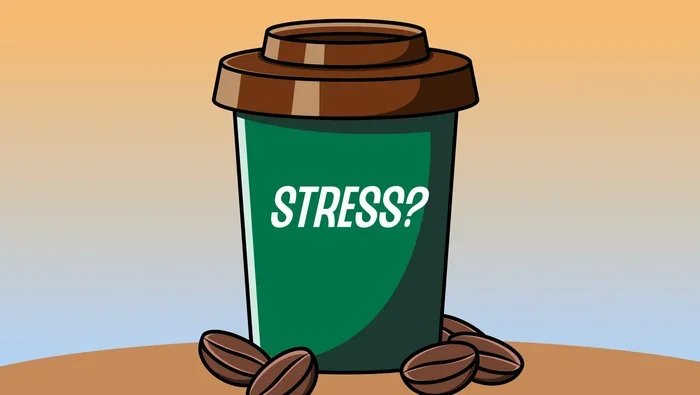
This is one of the most important questions to ask. Coffee can mimic anxiety because it creates physical sensations that feel similar to nervousness. A fast heartbeat, sweaty palms, and a restless mind are all common with caffeine. Those same symptoms can also show up during anxiety. So when people wonder, does coffee cause anxiety, the answer is often more about overlap than direct cause. Caffeine can trigger sensations that look and feel like anxiety, especially if you are already prone to it.
Visual guide about coffee cup and anxiety concept
Image source: natpat.com
That said, caffeine can also worsen anxiety that is already there. If you are dealing with a stressful week, poor sleep, or constant worry, coffee may add fuel to the fire. It can make it harder to relax and harder to think clearly. For some people, this creates a cycle. They feel anxious, so they drink coffee to stay alert, and then the caffeine makes the anxiety feel stronger. Breaking that cycle usually starts with noticing the pattern and adjusting your intake.
Physical Symptoms That Feel Like Anxiety
It helps to know which sensations are common after coffee. These can include:
- A faster heartbeat
- Feeling warm or flushed
- Tightness in the shoulders or jaw
- Restless hands or legs
- Trouble sitting still
- Quick, racing thoughts
These signs are not always a sign of a serious problem. They often mean caffeine is active in your system. But if they happen often or feel overwhelming, it may be time to cut back. If you want a deeper look at how caffeine affects the body and skin, you can also read our piece on Does Coffee Dehydrate Your Skin.
How Much Coffee Is Too Much for Anxiety
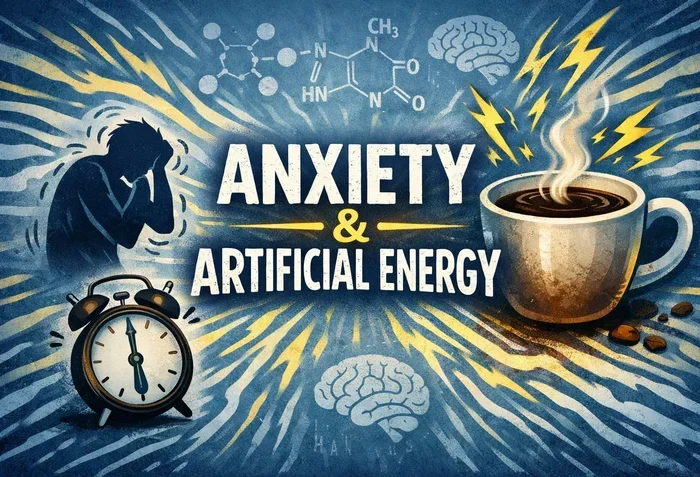
There is no single number that works for everyone. Some people feel calm with two cups, while others feel uneasy after one. A common general guideline for healthy adults is around 400 mg of caffeine per day, which is roughly the amount in several cups, depending on the brew. But that is a broad limit, not a comfort guarantee. If you are sensitive, your personal limit may be much lower. The key is to pay attention to how you feel, not just how much you drink.
Visual guide about coffee cup and anxiety concept
Image source: substackcdn.com
The type of coffee matters too. A light roast is not always lower in caffeine, and a small cup can still pack a strong punch if it is brewed densely. Espresso, drip coffee, cold brew, and instant coffee can all differ in strength. If you are trying to reduce anxious feelings, start by noticing your total intake across the day. Sometimes the issue is not one giant cup, but several small ones that add up.
Simple Ways to Lower the Jitters
If coffee leaves you feeling too wired, you do not have to quit cold turkey. Try these small changes first:
- Drink one cup instead of two
- Choose a smaller serving size
- Have coffee after food, not on an empty stomach
- Switch to a milder brew for your second cup
- Avoid coffee late in the afternoon
- Track how you feel for a week
If you like brewing at home, the way you measure your coffee can also affect strength. For a simple guide to getting your ratio right, check out How To Measure Coffee In A Coffee Maker.
The Role of Timing, Sleep, and Stress
When you drink coffee can matter just as much as how much you drink. Caffeine can stay in your system for several hours, so a late cup may interfere with sleep. Poor sleep then makes you more irritable and more vulnerable to stress the next day. That can create a loop where coffee seems helpful in the moment but leaves you more anxious later. If you notice bedtime restlessness, try moving your last cup earlier in the day.

Visual guide about coffee cup and anxiety concept
Image source: i.etsystatic.com
Stress is another big piece of the puzzle. If your schedule is packed, your body may already be running high on tension. Adding caffeine on top of that can make you feel even more keyed up. In those periods, it may help to reduce coffee temporarily or save it for moments when you truly need a boost. A calmer routine, better sleep, and regular meals can also make caffeine feel less intense.
Quick Tips for a Calmer Coffee Routine
- Set a caffeine cutoff time in the afternoon
- Pair coffee with breakfast or a snack
- Take a few slow breaths before your first cup
- Notice whether you want coffee or just a break
- Replace one cup with water or herbal tea
If you are curious about how your kitchen setup affects your routine, you may also enjoy reading Best Coffee Maker That Keeps Coffee Hot for ideas on keeping your drink comfortable without overbrewing.
Signs Your Coffee Intake May Be Too High
Your body usually gives you clues when caffeine is starting to become too much. You may notice that you feel more irritable than usual. You might have trouble winding down at night. Your stomach may feel upset, or your concentration may feel scattered instead of sharp. Some people also get headaches when they drink too much or when they suddenly drink less. These signs do not always mean something is wrong, but they are useful warning signals.
Another clue is how you feel between cups. If you depend on coffee just to feel normal, that may be a sign that your intake is high or that your body is used to a steady dose. If skipping coffee makes you feel shaky, tired, or mentally foggy, it may be worth adjusting gradually. A slow reduction is usually easier than stopping all at once.
Common Mistakes People Make
- Drinking coffee too fast on an empty stomach
- Assuming all brews have the same strength
- Ignoring sleep problems and blaming only coffee
- Using caffeine to push through chronic stress
- Cutting out coffee suddenly instead of tapering
If you ever decide to change your setup or replace an old machine, you can learn more in How To Dispose Of Old Coffee Maker.
Expert Insights on Coffee and Anxiety
Experts often say that caffeine is not the same for everyone, and that is the most important point. For many people, moderate coffee use fits comfortably into a healthy routine. For others, especially those with anxiety disorders or high sensitivity, smaller amounts may be a better fit. The goal is usually not to label coffee as good or bad, but to match your intake to your body and your day. If coffee makes you feel calm and focused, that is a good sign. If it leaves you tense and restless, it may be time to adjust.
It also helps to look at the bigger picture. Sleep, nutrition, movement, and stress management all affect anxiety. Coffee is only one part of that picture. If you improve your sleep and lower your overall stress, you may find that caffeine bothers you less. If you keep your routine steady and notice your symptoms, you can make smarter choices without guessing. That is usually the most practical path.
Key Takeaways
- Start with your own response, not a generic limit
- Reduce gradually if coffee feels too strong
- Pay attention to sleep, stress, and meal timing
- Use smaller cups and earlier cutoffs
- Notice whether caffeine helps or simply adds tension
If you love the ritual of coffee but want a smoother experience, think about the whole routine, not just the bean. The mug, the timing, the brew strength, and your own stress level all matter. For a closer look at the bean itself and how coffee is produced, you can read How Is Coffee Beans Made. And if you are trying to understand how much coffee per cup works best for your taste, How Many Scoops Of Coffee Per Cup Of Water can help you fine-tune your brew.
Conclusion
So, does coffee cause anxiety? For most people, coffee is not the root cause of anxiety, but it can definitely intensify nervous feelings when you drink too much, drink it too late, or already feel stressed. Caffeine changes your alertness, your heart rate, and your energy level, which can feel a lot like anxiety if you are sensitive. The good news is that you can usually manage this without giving up coffee entirely. Start by noticing your personal response, reduce your intake a little if needed, and pay attention to timing and sleep.
The best approach is simple and steady. Use smaller cups, eat something with your coffee, and set a cutoff time that protects your rest. If you still feel uneasy, experiment with weaker brews or fewer cups during high-stress days. Coffee should support your day, not make it harder to breathe through it. With a few adjustments, you can keep the comfort of your routine while giving your nervous system a little more room to stay calm.
Frequently Asked Questions
Can coffee make anxiety worse even if it does not cause it?
Yes. Coffee can intensify anxiety symptoms by raising your heart rate and making you feel more alert. If you are already stressed, that extra stimulation can feel overwhelming.
How long does caffeine anxiety usually last?
It depends on your body and how much you drank, but the strongest effects often fade within a few hours. Some people feel residual restlessness longer if they are sensitive or had a large amount.
Is decaf coffee better for anxiety?
Decaf usually contains much less caffeine, so it is less likely to cause jittery feelings. It can be a good option if you enjoy the taste and ritual but want less stimulation.
Why do I feel anxious after just one cup of coffee?
You may be sensitive to caffeine, have low tolerance, or be drinking it on an empty stomach. Stress, poor sleep, and genetics can also make one cup feel stronger than expected.
Should I stop drinking coffee if I have anxiety?
Not always. Many people can still enjoy coffee in smaller amounts or at earlier times of the day. If coffee consistently makes your symptoms worse, reducing or switching to decaf may help.
What are the best ways to calm down after too much coffee?
Drink water, eat a light meal or snack, and take a few slow breaths. It also helps to avoid more caffeine and give your body time to settle down.