Decaffeinated coffee does contain a small amount of caffeine, but the levels are very low. Most cups hold just 2 to 5 milligrams of caffeine per serving. The decaffeination process removes at least 97 percent of the original caffeine content. If you are sensitive to caffeine, you should still monitor your intake. This guide explains exactly what stays in your cup and how to choose the right brew.
Decaffeinated coffee has become a staple for millions of people who love the rich taste of coffee but want to cut back on stimulants. Maybe you drink it in the evening to avoid losing sleep. Maybe you enjoy the ritual of a warm cup without the racing heart or jitters. Whatever your reason, you have probably asked the same question many others ask: does decaffeinated coffee have caffeine in it? The short answer is yes, but the full story is more interesting than a simple yes or no.
Coffee beans naturally contain caffeine. It is part of the plant defense system and gives coffee its famous kick. Removing that caffeine takes effort, and no method strips it away completely. What remains is a tiny fraction of the original amount. That fraction is small enough that most people never notice it, but it is still there. Understanding how much stays behind helps you make smarter choices about your daily cups. It also clears up confusion around labels, brewing methods, and bean types.
In this guide, we will break down exactly how much caffeine remains in decaf coffee. We will look at the different decaffeination methods, compare bean varieties, and talk about what those trace amounts mean for your health. You will also get practical tips for picking the best decaf and brewing it in a way that keeps the flavor bright and smooth. If you ever wondered whether your evening cup might keep you awake, you will find clear answers here.
Key Takeaways
- Decaf is not caffeine-free: Every cup of decaffeinated coffee contains a small amount of caffeine, usually between 2 and 5 milligrams per 8-ounce serving.
- Legal standards require heavy removal: In the United States, coffee must have at least 97 percent of its caffeine removed to be labeled as decaf.
- Brewing method matters: Espresso-based decaf drinks often contain slightly more caffeine per ounce than drip coffee due to concentration and serving size.
- Bean type changes the numbers: Robusta beans naturally hold more caffeine than Arabica beans, so decaf made from Robusta blends may retain slightly higher trace levels.
- The decaffeination process varies: Methods like the Swiss Water Process, direct solvent, and CO2 extraction all remove caffeine differently, which can affect flavor and residual caffeine.
- Health impacts are minimal for most people: The tiny caffeine amount in decaf is unlikely to disrupt sleep or cause jitters for the average drinker, but highly sensitive individuals should still pay attention.
- Check labels and ask baristas: If you need to limit caffeine strictly, look for certified decaf brands and confirm brewing practices at coffee shops.
📑 Table of Contents
- How Much Caffeine Remains in Decaffeinated Coffee?
- How Decaffeination Removes Caffeine from Beans
- Arabica Versus Robusta: Does Bean Type Change Caffeine Levels?
- Does Decaffeinated Coffee Have Caffeine in It Enough to Affect Sleep or Health?
- Common Mistakes People Make With Decaf Coffee
- Practical Ways to Enjoy Decaf Without Worry
- Final Thoughts on Decaffeinated Coffee and Caffeine
How Much Caffeine Remains in Decaffeinated Coffee?
The numbers might surprise you. A regular cup of coffee usually contains anywhere from 70 to 140 milligrams of caffeine, depending on the brew and the beans. Decaf coffee sits far below that range. Most standard 8-ounce cups of decaf contain roughly 2 to 5 milligrams of caffeine. Some cups may reach up to 7 milligrams, while others stay closer to 1 milligram. The exact amount depends on several factors, including the bean, the roast, and the brewing time.
Think of it this way. If a regular coffee holds 100 milligrams of caffeine, a decaf cup with 5 milligrams has only 5 percent of that amount. That is a huge drop. For most people, 5 milligrams is too small to cause noticeable stimulation. It is roughly the same as a few sips of regular coffee or a small piece of dark chocolate. Still, the number is not zero, which matters for people who avoid caffeine for medical or personal reasons.
Typical Caffeine Ranges by Brew Type
Different brewing methods extract caffeine at different rates. Even with decaf beans, the way you brew changes the final count. Here is a simple comparison to show how serving style affects the caffeine content.
| Brew Type | Serving Size | Approx. Caffeine |
|---|---|---|
| Drip decaf coffee | 8 oz | 2 to 5 mg |
| Decaf espresso | 1 shot (1 oz) | 0.5 to 3 mg |
| Decaf latte or cappuccino | 8 to 12 oz | 2 to 8 mg |
| French press decaf | 8 oz | 3 to 6 mg |
| Cold brew decaf | 8 oz | 2 to 5 mg |
As you can see, the ranges are small across the board. Espresso often looks stronger because it is concentrated, but a single shot actually contains less total caffeine than a full mug of drip coffee. A latte or cappuccino may carry a bit more caffeine simply because some shops use more than one shot. If you want the lowest caffeine option, a single shot of decaf espresso or a small cup of drip decaf is a safe bet.
What the 97 Percent Rule Means
In the United States, the Food and Drug Administration sets guidelines for decaf labeling. Coffee must have at least 97 percent of its caffeine removed to be called decaffeinated. That means if a batch of beans started with 100 milligrams of caffeine, no more than 3 milligrams should remain per serving on average. Other countries have similar rules, though the exact percentage can vary slightly. This standard is the main reason decaf coffee stays in the low single-digit milligram range.
The 97 percent rule also explains why decaf is not the same as caffeine-free. Herbal teas and grain-based drinks can be truly caffeine-free because they never contained caffeine to begin with. Coffee is different. The bean starts with caffeine, and the process only reduces it. That distinction matters if you are extremely sensitive or if a doctor has told you to avoid caffeine entirely.
How Decaffeination Removes Caffeine from Beans
Before coffee reaches your mug, the beans go through a decaffeination process. This step happens before roasting, while the beans are still green. The goal is to pull out caffeine while keeping the sugars, oils, and flavor compounds that make coffee taste good. It is a careful balance. Remove too much flavor, and the coffee tastes flat. Leave too much caffeine, and the cup does not qualify as decaf.
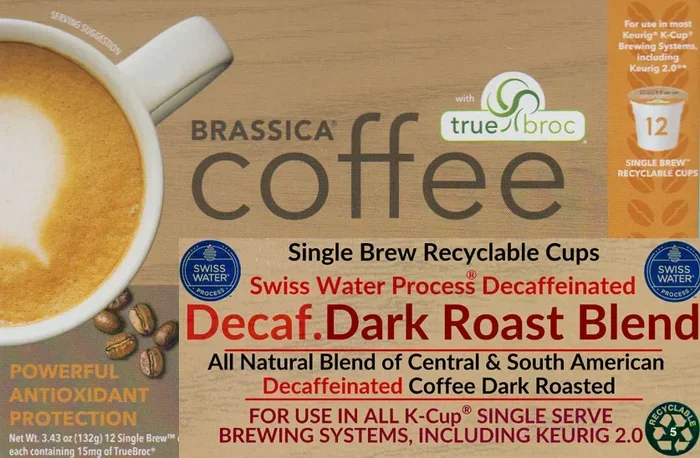
Visual guide about decaffeinated coffee beans cup
Image source: baltcoffee.com
Several methods exist, and each one handles caffeine removal a little differently. The most common approaches use water, solvents, or carbon dioxide. All of them rely on the fact that caffeine dissolves in certain liquids and can be drawn out of the bean under controlled conditions. The process usually starts by steaming the beans. This opens their pores and makes caffeine easier to extract. After that, the beans meet the chosen extraction medium, which pulls the caffeine away over several cycles.
The Swiss Water Process
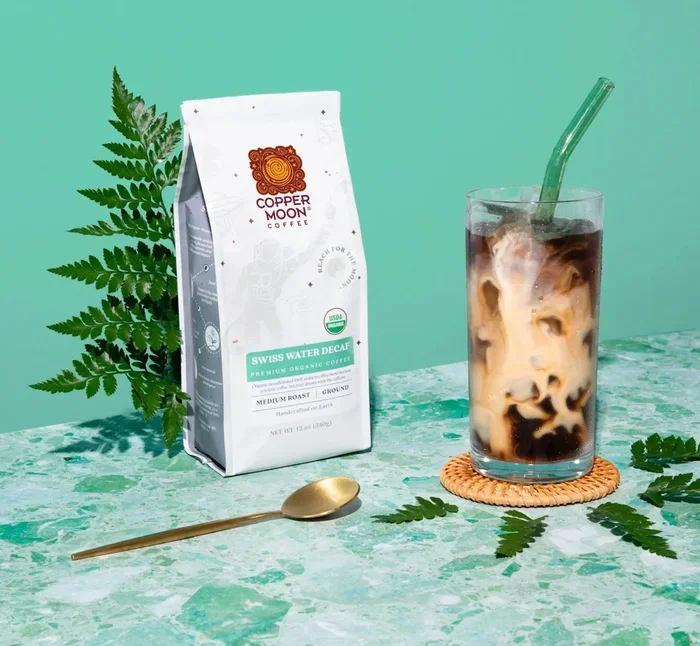
The Swiss Water Process is popular with buyers who want a chemical-free method. It uses only water, temperature, and time. First, the beans are soaked in hot water. This dissolves caffeine along with many flavor compounds. The water is then passed through a carbon filter that traps caffeine molecules while letting flavor compounds pass through. The result is a flavor-rich water called green coffee extract.
In the next step, a fresh batch of beans is soaked in that same flavor-saturated water. Because the water already holds the flavor compounds, only the caffeine leaves the new beans. This keeps the taste intact while removing caffeine. The Swiss Water Process is known for producing clean, smooth decaf. It often works well for lighter roasts and single-origin beans. If you care about natural processing, this method is worth looking for on the label.
Direct and Indirect Solvent Methods
Solvent-based methods use a chemical agent to bind with caffeine. In the direct method, the beans are steamed and then rinsed with the solvent. The solvent grabs the caffeine directly from the bean surface and interior. Afterward, the beans are steamed again to remove any remaining solvent traces. In the indirect method, the beans are soaked in hot water first. The water pulls out caffeine and flavor compounds. Then the water is separated from the beans and treated with a solvent that binds to the caffeine. The flavor-rich water is returned to the beans so they reabsorb the taste compounds.
Both solvent methods are effective and widely used. The solvents most often used are ethyl acetate and methylene chloride. Ethyl acetate occurs naturally in some fruits and is sometimes marketed as a more natural option. Methylene chloride is highly efficient at removing caffeine and is used under strict safety limits. The final product contains only trace residues, well below safety thresholds. If you prefer to avoid solvents altogether, look for Swiss Water or CO2-processed decaf.
The Carbon Dioxide Method
The CO2 method uses pressurized carbon dioxide to extract caffeine. The beans are soaked in water first, then placed in a chamber where CO2 is pumped in at high pressure. The carbon dioxide acts like a selective solvent. It binds to caffeine and leaves most of the flavor compounds behind. The caffeine-laden CO2 is then moved to a separate chamber, where the pressure is released and the caffeine is removed. The CO2 can be reused, which makes the process efficient.
This method is often used for larger commercial batches. It offers precise control over caffeine removal and tends to preserve the original flavor profile well. Like the Swiss Water Process, it avoids traditional solvents. If you see CO2 extraction on a package, it usually signals a careful, modern approach to decaf production.
Arabica Versus Robusta: Does Bean Type Change Caffeine Levels?
Yes, the bean variety matters. Arabica and Robusta are the two main coffee species used around the world. Arabica beans generally contain less caffeine than Robusta beans. A typical Arabica bean has roughly half the caffeine of a Robusta bean. That difference carries over into decaf production. If a decaf blend uses Robusta beans, the starting caffeine level is higher, so the final trace amount may be slightly higher too.
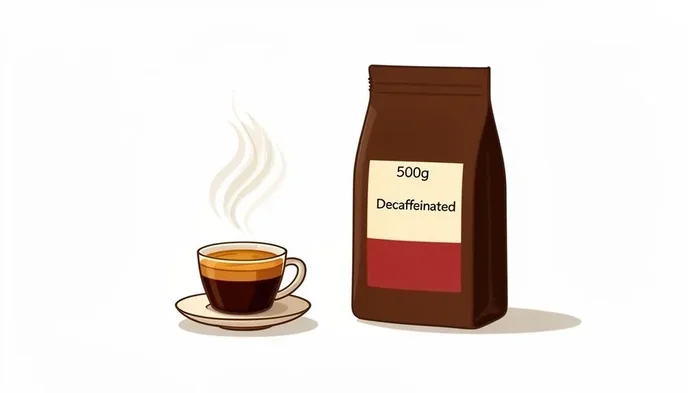
Visual guide about decaffeinated coffee beans cup
Image source: cdnimg.co
Most specialty decaf coffees use Arabica beans. That is good news for people watching caffeine intake, because Arabica starts lower and ends lower after decaffeination. Robusta is sometimes used in espresso blends for its stronger body and crema. If you are buying decaf espresso, check whether the blend includes Robusta. If it does, expect a small bump in residual caffeine compared with a pure Arabica decaf. The difference is still small in absolute terms, but it can matter for very sensitive drinkers.
Roast Level and Caffeine Myths
People often ask whether dark roast decaf has less caffeine than light roast decaf. The answer is more about perception than science. Roasting does not remove much caffeine from the bean. Caffeine is stable at roasting temperatures. What changes is the bean density. Dark roasts are less dense because they are heated longer. If you measure by scoop, a dark roast may have slightly fewer beans per scoop, which can mean slightly less caffeine. If you measure by weight, the difference nearly disappears.
For decaf, the roast level has only a minor effect on the already tiny caffeine amount. The bigger factors are the bean type, the decaffeination method, and the brew ratio. Do not choose a dark roast solely because you think it will lower caffeine further. Instead, focus on flavor. If you like a bold, chocolatey cup, a darker roast may suit you. If you prefer bright, fruity notes, a lighter roast might be better. The caffeine difference will be negligible either way.
Does Decaffeinated Coffee Have Caffeine in It Enough to Affect Sleep or Health?
For most people, the answer is no. The small amount of caffeine in decaf is unlikely to disrupt sleep, raise heart rate, or cause the classic coffee jitters. If you drink a cup after dinner and fall asleep without trouble, your body is handling that trace caffeine just fine. Many people use decaf as an evening replacement precisely because it offers the comfort of coffee without the stimulant effect.
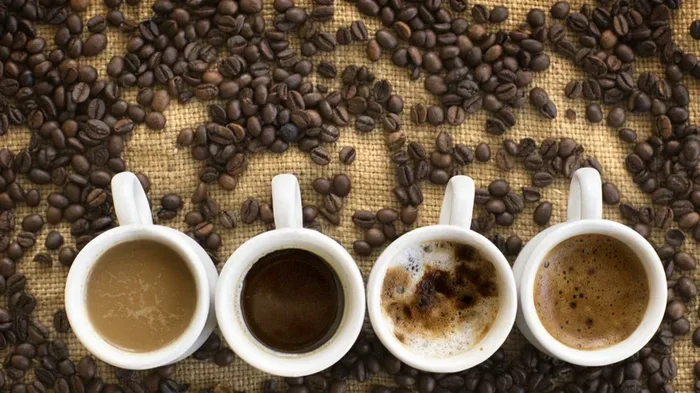
Visual guide about decaffeinated coffee beans cup
Image source: tastingtable.com
That said, sensitivity varies. Some people metabolize caffeine slowly. They may feel effects from very small amounts. If you notice restlessness, mild anxiety, or trouble sleeping after decaf, it could be the caffeine, or it could be another factor like acidity or a late-night routine. It is also possible that a coffee shop used a stronger brew or a different bean than you expect. If you are highly sensitive, try a smaller serving, a Swiss Water Process decaf, or a brand that clearly states low caffeine content.
Who Should Pay Extra Attention
Certain groups should be more careful with any caffeine, even the tiny amount in decaf. Pregnant people are often advised to limit caffeine intake. While decaf is much lower than regular coffee, it is still wise to count it toward your daily total. People with certain heart conditions, anxiety disorders, or caffeine sensitivity may also want to track their intake closely. If your doctor has set a strict caffeine limit, ask whether decaf fits within that plan.
For the average healthy adult, decaf is a practical way to enjoy coffee throughout the day. You can have a morning cup and an afternoon cup without stacking much caffeine. You can also switch to decaf in the evening without a major risk of sleep disruption. The key is consistency. If you know your body reacts to even small amounts, keep your servings modest and pay attention to timing.
Quick Tips for Choosing Low-Caffeine Decaf
- Look for Swiss Water or CO2 labels: These methods often produce a clean cup with reliable caffeine removal.
- Choose 100 percent Arabica beans: Arabica starts with less caffeine, which can mean a lower final amount.
- Check serving size: A small cup keeps total caffeine lower than a large mug, even if the concentration is similar.
- Ask about the blend at cafes: Some decaf espresso blends include Robusta, which can raise trace caffeine slightly.
- Try a certified low-caffeine brand: Some roasters test and publish caffeine levels, which helps if you need precise control.
- Track your own response: Keep a simple note of how you feel after decaf at different times of day.
Common Mistakes People Make With Decaf Coffee
Even though decaf seems simple, a few common mistakes can lead to confusion or disappointment. One big mistake is assuming decaf has zero caffeine. That assumption can cause problems for people who need strict control. Another mistake is treating all decaf the same. Two bags of decaf can taste very different, and their caffeine levels can vary too depending on bean type and process.
People also sometimes overbrew decaf, expecting it to taste stronger. But brewing longer does not add much caffeine back. It mostly pulls out more bitter compounds and can make the cup taste harsh. Others ignore storage. Decaf can lose freshness like any coffee, and stale decaf tastes flat. Keeping beans sealed, grinding fresh, and brewing with good technique matters just as much for decaf as for regular coffee.
Expert Insights on Decaf Quality
Good decaf should taste like coffee first and decaf second. The best batches keep the origin character intact. A bright Ethiopian decaf can still show floral and citrus notes. A chocolatey Brazilian decaf can still taste smooth and nutty. When the process works well, the flavor stays layered and balanced. When it does not, the cup can taste washed out or overly bitter. If your decaf tastes thin, try a different roast, a different process, or a fresh grind.
Baristas also recommend grinding decaf just before brewing. Ground coffee loses aroma quickly, and decaf is no exception. Use a clean grinder, measure your coffee and water, and keep water temperature in a sensible range. These basic steps improve flavor and make the cup more enjoyable. If you want a stronger taste without adding caffeine, adjust the coffee-to-water ratio or choose a darker roast for a bolder flavor profile. That approach changes taste, not the small caffeine content.
Common Mistakes to Avoid
- Assuming decaf is caffeine-free: Remember that trace caffeine remains, even if it is very small.
- Buying stale beans: Old decaf tastes dull. Check roast dates and store beans in a sealed container.
- Over-extracting the brew: Long brew times can make decaf bitter without adding meaningful caffeine.
- Ignoring bean type: Robusta blends can carry slightly more residual caffeine than Arabica-only decaf.
- Using the wrong grind size: A grind that is too fine or too coarse can hurt flavor and consistency.
- Skipping taste tests: Try a few brands and methods to find the decaf that matches your flavor and caffeine needs.
Practical Ways to Enjoy Decaf Without Worry
If you love coffee but want to keep caffeine low, decaf gives you a lot of flexibility. You can use it as your all-day base and add a regular coffee when you truly want a boost. You can also mix decaf with regular coffee to create a half-caf cup. That simple blend cuts caffeine while keeping some of the familiar lift. Many coffee drinkers use half-caf as a middle ground during long workdays or when they want flavor without too much stimulation.
You can also get creative with recipes. Decaf works well in iced coffee, cold brew, lattes, and café-style drinks. Since the caffeine is low, you can enjoy a sweet afternoon latte without turning it into a late-day energy spike. If you make cold brew at home, use decaf beans and steep for your preferred time. The result is smooth and mellow, with only a tiny caffeine amount. If you enjoy baking, decaf coffee can add depth to desserts without bringing in much caffeine either.
Simple Serving Ideas
- Morning start: Begin with decaf and add a small regular coffee later if you want more energy.
- Half-caf blend: Mix equal parts decaf and regular beans for a moderate caffeine level.
- Evening wind-down: Sip decaf after dinner as a warm, comforting ritual.
- Iced decaf latte: Brew decaf strong, chill it, and pour it over ice with milk or a milk alternative.
- Decaf cold brew: Steep decaf grounds in cold water for 12 to 18 hours for a smooth, low-caffeine drink.
- Baking and desserts: Use decaf in tiramisu, brownies, or coffee frosting when you want flavor without much caffeine.
Final Thoughts on Decaffeinated Coffee and Caffeine
So, does decaffeinated coffee have caffeine in it? Yes, but only a small amount. Most cups contain just a few milligrams, which is far less than a regular coffee and often too little to cause noticeable effects. The decaffeination process removes the vast majority of caffeine, and strict standards help keep the remaining amount low. Bean type, brew method, and serving size can shift the number slightly, but the overall picture stays the same. Decaf is a smart choice if you want coffee flavor with very little caffeine.
If you are sensitive, read labels, ask questions, and choose methods like Swiss Water or CO2 when possible. If you are not sensitive, decaf can be a pleasant way to enjoy more cups throughout the day or a calm cup at night. The most important thing is to understand what you are drinking. Once you know how decaf works, you can pick beans and brews that fit your taste and your caffeine comfort zone.
Coffee is a personal habit, and the best cup is the one that suits your body and your routine. Decaf gives you another option in that routine. It lets you keep the aroma, the warmth, and the flavor while keeping caffeine to a minimum. With a little attention to bean type and brewing, you can make decaf a regular part of your day without second-guessing what is in your mug.
Frequently Asked Questions
Does decaffeinated coffee have caffeine in it?
Yes, decaffeinated coffee still contains a small amount of caffeine, usually about 2 to 5 milligrams per 8-ounce cup. The decaffeination process removes most of the caffeine, but it does not remove every trace.
How much caffeine is in decaf coffee compared with regular coffee?
Regular coffee often has 70 to 140 milligrams of caffeine per cup, while decaf usually has only 2 to 5 milligrams. That means decaf has roughly 97 percent less caffeine than regular coffee, though the exact amount can vary.
Can decaf coffee keep me awake at night?
For most people, the tiny caffeine amount in decaf is too small to disrupt sleep. If you are very sensitive to caffeine, you might still notice a mild effect, so it helps to test your own response and watch your serving size.
Which decaffeination method leaves the least caffeine?
Methods like the Swiss Water Process and the carbon dioxide method are known for effective caffeine removal while preserving flavor. All approved decaffeination methods must meet strict standards, so the final caffeine amount is low regardless of the method.
Does decaf espresso have more caffeine than decaf drip coffee?
Decaf espresso is more concentrated, but a single shot usually has less total caffeine than a full mug of decaf drip coffee. A larger decaf latte or cappuccino may have more caffeine if it uses multiple shots.
Is decaffeinated coffee safe for pregnant people?
Decaf has far less caffeine than regular coffee, but it is not completely caffeine-free. Pregnant people who need to limit caffeine should count decaf toward their daily intake and follow their healthcare provider’s guidance.