Does fasting include coffee? The short answer is yes, but only if you drink it black. Adding sugar, milk, or cream can break your fast and stop fat burning. This guide explains the rules so you can enjoy your morning brew without ruining your progress.
Many people love their morning cup of joe. It wakes them up and gives them energy. But what happens when you start fasting? You might wonder if your daily habit fits into your new routine. Does fasting include coffee is a common question for beginners. The good news is that you can usually keep drinking it. However, there are some important rules to follow.
Fasting is about giving your body a break from digestion. When you eat, your insulin levels rise. This stops your body from burning stored fat. When you fast, insulin stays low. This allows your body to access fat stores for energy. Coffee can actually help this process. It suppresses appetite and boosts metabolism. But the way you drink it changes everything.
In this article, we will explore the relationship between coffee and fasting. We will look at what breaks a fast and what does not. You will learn how to enjoy your brew safely. We will also cover different types of fasting. By the end, you will know exactly what to put in your cup. Let us dive into the details.
Key Takeaways
- Black coffee is generally safe: Plain coffee without additives usually does not break a fast.
- Calories matter most: Any significant calories can interrupt the fasting state and insulin response.
- Avoid sugar and milk: These additives spike insulin and can stop autophagy processes.
- Caffeine affects individuals differently: Some people may experience jitters or hunger spikes from caffeine.
- Hydration is key: Drink plenty of water alongside coffee to stay hydrated during fasting windows.
- Consult a doctor: Always check with a healthcare provider before starting new dietary restrictions.
- Listen to your body: If coffee makes you hungry, try switching to tea or water instead.
📑 Table of Contents
The Basics of Fasting and Coffee
Fasting means abstaining from food for a set period. Some people fast for religious reasons. Others do it for health benefits. Intermittent fasting is very popular today. It involves cycling between eating and fasting windows. Common methods include the 16/8 method. You fast for 16 hours and eat during an 8-hour window.
During the fasting window, you should not eat solid food. But beverages are usually allowed. Water is the best choice. It keeps you hydrated without adding calories. Black coffee is also generally accepted. It has almost zero calories. A typical cup of black coffee has about 2 calories. This is negligible for most fasting goals.
The main goal of fasting is to keep insulin low. Insulin is a hormone that helps store energy. When you drink black coffee, insulin does not spike. This means your body stays in a fasted state. You can continue burning fat for fuel. This is why black coffee and fasting work well together.
However, not all coffee is the same. The ingredients you add matter. Sugar, cream, and milk contain calories. They also contain carbohydrates and fats. These can trigger an insulin response. Even a small amount might break your fast. It depends on your specific goals. Some people are strict about calorie intake. Others care more about insulin levels.
Does Fasting Include Coffee with Additives?
This is where things get tricky. Pure black coffee is safe. But most people like to flavor their coffee. Let us look at common additives and their effects.
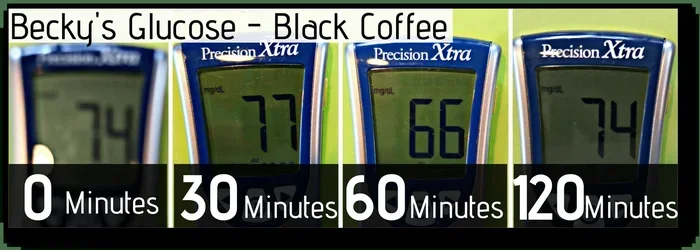
Visual guide about black coffee fasting concept
Image source: drbeckyfitness.com
Sugar and Sweeteners
Adding sugar is a clear way to break your fast. Sugar is pure carbohydrate. It spikes blood glucose quickly. This triggers insulin release. Once insulin rises, fat burning stops. Your body switches back to using glucose for energy. This defeats the purpose of fasting for many people.
Artificial sweeteners are controversial. Some studies suggest they might spike insulin too. Others say they have no effect. It is safer to avoid them during a fast. Natural sweeteners like honey also break a fast. They contain calories and sugar. If you need sweetness, wait until your eating window opens.
Milk and Cream
Dairy products contain calories and protein. A splash of milk might seem small. But it can add up. Milk contains lactose, which is a sugar. Cream contains fat. Both can impact your fasting state. Heavy cream has fewer carbs but more calories. Some strict fasters allow a tiny splash. But for weight loss, it is better to avoid it.
Plant-based milks are also options. Almond milk or oat milk often have added sugars. Even unsweetened versions have some calories. They are not calorie-free like water. If you want to stay strictly fasted, stick to black coffee. You can always add milk later during your meal.
Bulletproof Coffee
Bulletproof coffee is popular in keto circles. It mixes coffee with butter and MCT oil. This drink is high in calories. It is designed to keep you full. But it definitely breaks a fast. It provides energy from fat rather than stored body fat. Some people use it for ketosis. But for intermittent fasting, it is not suitable. It stops the fasting benefits immediately.
Benefits of Drinking Coffee While Fasting
Drinking coffee during your fast has several perks. It is not just about caffeine. There are metabolic benefits too. Here are some reasons why it helps.
Visual guide about black coffee fasting concept
Image source: eatproteins.com
- Appetite Suppression: Coffee can reduce hunger signals. This makes it easier to stick to your fasting window. Many people feel less hungry after a cup.
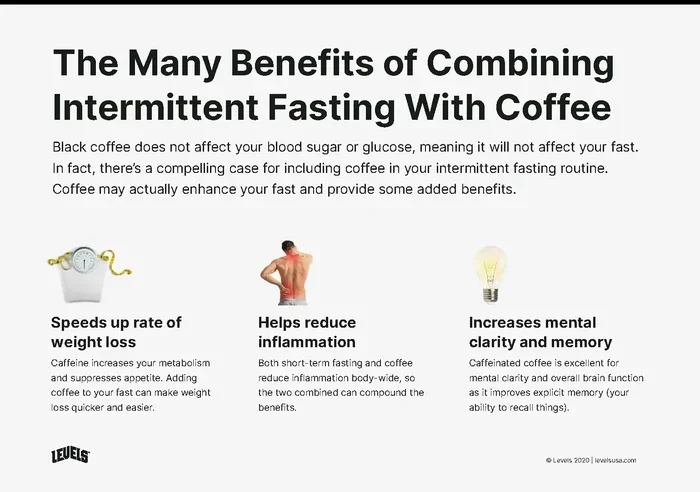
- Metabolism Boost: Caffeine can increase your metabolic rate. This helps you burn more calories at rest. It supports your weight loss efforts.
- Mental Focus: Fasting can sometimes cause brain fog. Coffee helps clear this up. It improves concentration and alertness.
- Antioxidants: Coffee is rich in antioxidants. These protect your cells from damage. They support overall health during fasting.
- Fat Burning: Caffeine may enhance fat breakdown. It mobilizes fatty acids from fat tissues. This complements the fasting state.
These benefits make coffee a great tool. It helps you manage the fasting period better. You feel more energized and less hungry. This increases your chances of success. Many successful fasters rely on their morning brew.
Potential Downsides and Side Effects
While coffee is helpful, it is not perfect. There are some downsides to consider. Drinking too much can cause issues. You need to listen to your body.

Visual guide about black coffee fasting concept
Image source: i.ytimg.com
Caffeine Sensitivity
Some people are sensitive to caffeine. They might feel jittery or anxious. Fasting can sometimes increase stress hormones. Adding caffeine might make this worse. If you feel stressed, reduce your intake. Try switching to decaf coffee instead. It gives the taste without the stimulant effect.
Stomach Issues
Coffee is acidic. Drinking it on an empty stomach can irritate some people. It might cause heartburn or acid reflux. If you have a sensitive stomach, be careful. Drink water first to dilute the acid. You can also try cold brew coffee. It is often less acidic than hot brew.
Dehydration Risks
Caffeine is a mild diuretic. It makes you urinate more. This can lead to dehydration if you are not careful. Fasting already reduces water intake from food. You need to drink extra water. Balance your coffee with plenty of plain water. This keeps your electrolytes balanced too.
Sleep Disruption
Drinking coffee late in the day affects sleep. Poor sleep hinders fasting results. It increases hunger hormones the next day. Try to stop drinking caffeine by early afternoon. This protects your sleep quality. Good rest is crucial for recovery.
Tips for Coffee Consumption During Fasting
You can optimize your coffee habit. Follow these tips to stay on track. They help you avoid breaking your fast accidentally.
Stick to Black Coffee
The simplest rule is to drink it black. No sugar, no milk, no cream. This ensures zero calories. You get the benefits without the risks. If you need flavor, try spices. Cinnamon or nutmeg adds taste without calories. You can also use vanilla extract sparingly.
Watch the Timing
Timing matters for sleep and energy. Drink your coffee early in the fast. This helps suppress morning hunger. Avoid drinking it too late. This prevents sleep issues at night. A good rule is to stop by 2 PM. This gives your body time to process the caffeine.
Stay Hydrated
Water is your best friend during fasting. Drink a glass of water before your coffee. This helps hydration and reduces acidity. Keep drinking water throughout the day. Aim for at least 8 glasses daily. This supports your metabolism and health.
Choose Quality Beans
High-quality beans taste better. You do not need additives if the coffee is good. Freshly ground beans offer the best flavor. Organic options reduce pesticide exposure. This supports your overall health goals. Enjoy the natural taste of the coffee.
Monitor Your Body
Everyone reacts differently to fasting. Pay attention to how you feel. If coffee makes you hungry, stop drinking it. Try tea or water instead. Your body knows what it needs. Do not force yourself to drink it. Flexibility is key to long-term success.
Common Mistakes to Avoid
Even experienced fasters make mistakes. Avoid these common errors to stay on track. They can undermine your fasting efforts.
- Adding Hidden Calories: Some creamers have hidden sugars. Always check the label. Even small amounts add up over time.
- Drinking Too Much: Excessive caffeine causes stress. Limit yourself to 2 or 3 cups. More is not always better.
- Ignoring Hunger Cues: Coffee masks hunger sometimes. If you feel weak, eat something. Safety comes first always.
- Forgetting Electrolytes: Fasting depletes electrolytes. Coffee can worsen this. Consider adding salt to your water.
- Expecting Magic Results: Coffee helps but is not magic. You still need a good diet. Fasting works best with healthy eating.
Avoiding these mistakes keeps you consistent. Consistency is the key to results. You will see better progress over time. Stay mindful of what you consume.
Expert Insights on Coffee and Fasting
Many nutritionists support black coffee during fasts. They agree it does not break the fast. Dr. Jason Fung is a well-known expert. He says black coffee is fine for intermittent fasting. He emphasizes keeping insulin low. Other experts agree with this view.
However, some experts warn about stress. Fasting is a stressor on the body. Caffeine adds to that stress load. If you are already stressed, limit coffee. Listen to your body signals. If you feel anxious, switch to tea. Green tea has less caffeine. It also offers health benefits.
Research supports the benefits of caffeine. Studies show it aids fat oxidation. It also improves exercise performance. This is helpful if you work out while fasting. Just ensure you stay hydrated. Proper hydration supports performance too.
Key Takeaways
To wrap up, here is what you need to remember. Does fasting include coffee? Yes, but with conditions. Black coffee is your safest bet. It keeps calories near zero. Avoid all additives like sugar and milk. These break your fast and spike insulin.
Pay attention to your body’s response. Some people tolerate caffeine well. Others feel jittery or hungry. Adjust your intake based on how you feel. Hydration is critical during fasting. Drink water alongside your coffee. This prevents dehydration and supports health.
Remember that fasting is a tool. It is not the only factor in health. Combine it with good nutrition. Exercise and sleep matter too. Coffee is just one part of the puzzle. Use it wisely to support your goals.
Start with small changes. Try black coffee first. See how your body reacts. You can always adjust later. The most important thing is consistency. Stick to your plan and track your progress. You will find what works best for you.
Frequently Asked Questions
Can I drink coffee with milk during intermittent fasting?
Adding milk usually breaks a fast because it contains calories and protein. These can spike insulin and stop fat burning. It is better to drink black coffee during your fasting window.
Does coffee break a water fast?
Strict water fasts allow only water. Coffee introduces compounds that might affect the fast. For religious or strict medical fasts, avoid coffee. For weight loss fasts, black coffee is often acceptable.
Will artificial sweeteners break my fast?
Some artificial sweeteners may trigger an insulin response. This can potentially break your fast even without calories. It is safer to avoid them until your eating window begins.
How much coffee can I drink while fasting?
Moderation is key to avoiding side effects. Limiting yourself to 2 or 3 cups is generally safe. Drinking too much can cause jitters or dehydration issues.
Can coffee help suppress appetite during a fast?
Yes, caffeine is known to suppress hunger signals temporarily. This makes it easier to stick to your fasting schedule. However, do not rely on it if you feel weak or ill.
Is decaf coffee okay for fasting?
Decaf coffee is generally fine since it has negligible calories. It provides the taste without the high caffeine content. This is a good option if you are sensitive to stimulants.