Boiling eggs to perfection is simpler than you think. For hard boiled eggs, aim for 10 to 12 minutes of boiling time starting from a rolling boil. The exact timing depends on your method, egg size, and whether you start with hot or cold water. This guide covers every scenario so you never get a rubbery or undercooked egg again.
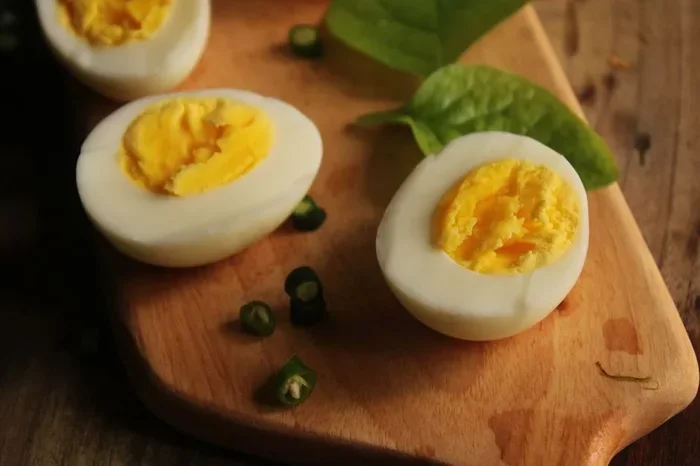
There is something deeply satisfying about a perfect hard boiled egg. The white is firm. The yolk is creamy and bright yellow. No green ring around the edge. No rubbery texture. Whether you meal prep for the week or want a quick protein snack, how long to boil eggs for hard boiled eggs is the question that matters most.
Here is the thing. Most people either overcook or undercook their eggs. They rely on guesswork. They pull the pot off the heat way too early or leave them boiling way too long. The result is a frustrating experience. The yolk turns greenish. The white becomes chalky. Nobody wants that.
This guide gives you everything you need. Exact timing. Different methods. Troubleshooting tips. By the end, you will know precisely how to make perfect hard boiled eggs every single time. No more guessing. No more disappointment.
Key Takeaways
- 10 to 12 minutes is the sweet spot for hard boiled eggs on the stovetop.
- Starting with boiling water gives you more consistent results than starting with cold water.
- An ice bath stops cooking immediately and makes peeling much easier.
- A best egg cooker for hard boiled eggs can take the guesswork out entirely.
- Egg freshness affects how easily you can peel the shell off.
- Altitude and egg size both play a role in your boiling time.
📑 Table of Contents
- Why Timing Matters So Much for Hard Boiled Eggs
- Step-by-Step: How to Boil Eggs for Hard Boiled Results
- How Long to Boil Eggs in Different Appliances
- The Ice Bath: Why It Is Non-Negotiable
- Common Mistakes That Ruin Hard Boiled Eggs
- How to Tell if Your Hard Boiled Egg Is Done
- How to Store Hard Boiled Eggs
- What to Do With Your Perfect Hard Boiled Eggs
- Final Thoughts on Boiling Eggs to Perfection
Why Timing Matters So Much for Hard Boiled Eggs
Eggs are deceptively simple. You drop them in water. You wait. But the difference between a great egg and a bad one comes down to minutes. Even 60 seconds too long can change the texture of your yolk completely.
The Science Behind Boiling Eggs
When you heat an egg, the proteins in the white and yolk denature. They unfold and then bond together. This is what makes the egg solid. The longer you cook it, the tighter those bonds become. Too much heat and the proteins squeeze out moisture. That is why overcooked eggs feel rubbery.
The yolk is especially sensitive. When you cook it too long, iron from the yolk reacts with sulfur from the white. This creates that ugly greenish-gray ring around the yolk. It does not taste bad. But it looks unappetizing and signals that the egg has been overcooked.
How Egg Size Affects Boiling Time
Not all eggs are the same size. A jumbo egg needs more time than a small egg. Here is a quick breakdown:
- Small eggs: 9 to 10 minutes
- Medium eggs: 10 to 11 minutes
- Large eggs: 11 to 12 minutes
- Jumbo eggs: 12 to 13 minutes
If you buy eggs from a farmers market, they might be irregular sizes. In that case, stick with the larger end of the time range. It is always easier to add a minute than to undo an undercooked egg.
Step-by-Step: How to Boil Eggs for Hard Boiled Results
Now let us get into the actual process. There are a few ways to do this. I will walk you through the most reliable method first.
Method 1: The Rolling Boil Method
This is my go-to method. It is simple and gives consistent results.
- Place your eggs in a single layer at the bottom of a saucepan.
- Add enough cold water to cover the eggs by about one inch.
- Bring the water to a full, rolling boil over high heat.
- Once boiling, cover the pot and remove it from the heat.
- Let the eggs sit for 10 to 12 minutes depending on size.
- Transfer the eggs to an ice bath immediately.
This method works because the residual heat continues to cook the eggs gently. You avoid the violent bubbling that can crack shells. And the ice bath stops the cooking process right away.
Method 2: Cold Start Method
Some people prefer to start with cold water. You place eggs in the pot, cover them with cold water, and then bring everything to a boil together. Once boiling, you reduce the heat and simmer for 10 to 12 minutes.
The cold start method is great if you want the egg to heat up more gradually. It can reduce cracking. But it is slightly less precise. The timing is a bit harder to control because the water temperature changes slowly.
Method 3: Using an Egg Cooker
If you want set-it-and-forget-it convenience, an egg cooker is a fantastic option. These devices use steam to cook eggs perfectly every time. You just add water, place the eggs, and press a button. No monitoring the stove. No guessing the time.
Most egg cookers have settings for soft, medium, and hard boiled eggs. They take the variability out of the equation entirely. If you cook eggs frequently, this is a worthwhile investment.
How Long to Boil Eggs in Different Appliances
Stovetop boiling is the most common method. But it is not the only way. Different appliances change your timing and approach significantly.
Boiling Eggs in an Instant Pot
Pressure cooking is a game changer for batch cooking. If you need a dozen eggs at once, the Instant Pot method is incredibly efficient. You add water and a trivet, place the eggs on top, set the pressure to high, and cook for 5 minutes. Then you do a quick release.
The result is eggs that are easy to peel and evenly cooked. The pressure environment cooks the eggs faster and more uniformly than stovetop boiling. Just remember that the eggs continue to cook slightly after you remove them from the pot. So always transfer them to an ice bath right away.
Boiling Eggs in a Regular Pot on the Stove
This is the classic method. It works well for 2 to 6 eggs at a time. The key is to bring the water to a full boil before you start the timer. Once boiling, reduce to a gentle simmer and let the eggs cook for the recommended time.
A heavy-bottomed pot works best. It distributes heat evenly and reduces hot spots. This means fewer cracked shells and more consistent results.
Steaming Instead of Boiling
Here is a tip that many people overlook. You can steam eggs instead of boiling them. Place a steamer basket in a pot with about an inch of water. Bring the water to a boil. Place the eggs in the steamer basket. Cover and steam for 12 to 13 minutes.
Steaming gives you even more consistent results. The eggs do not bounce around in the pot, so they crack less. And the steam penetrates the shell evenly, which helps with peeling.
The Ice Bath: Why It Is Non-Negotiable
I cannot stress this enough. The ice bath is just as important as the cooking time. It is the step that separates good eggs from great eggs.
Here is what happens. When you take a hot egg out of the pot, the residual heat keeps cooking it. The yolk continues to firm up. The white keeps tightening. Without an ice bath, your eggs will be more cooked than you intended by the time you peel them.
To make a proper ice bath, fill a bowl with equal parts ice and cold water. Drop your eggs in right after the timer goes off. Let them sit for at least 10 minutes. The cold water rapidly drops the egg temperature. This stops the cooking instantly.
An ice bath also makes peeling significantly easier. The rapid cooling causes the egg white to contract inside the shell. This creates a gap between the membrane and the white. When you peel, the shell comes off cleanly instead of sticking to the egg.
Common Mistakes That Ruin Hard Boiled Eggs
Even experienced cooks make these errors. Knowing what to avoid will save you a lot of frustration.
Starting the Timer Too Early
Do not start timing when you put the eggs in cold water. Start timing when the water reaches a full boil. If you start too early, you will overcook the eggs. The timing clock should only begin once the water is at a rolling boil.
Overcrowding the Pot
Eggs need room to move. If you cram too many into a small pot, they bump into each other. This causes cracks and uneven cooking. Keep eggs in a single layer. If you need to cook more, do multiple batches.
Skipping the Resting Time
After the timer goes off, do not immediately crack the eggs open. Let them rest in the hot water for 2 to 3 minutes before transferring to the ice bath. This resting period allows the heat to distribute evenly through the egg. The result is a more consistent texture from white to yolk.
Using Very Fresh Eggs
Fresh eggs are wonderful for baking and frying. But they are terrible for hard boiling. The fresher the egg, the harder it is to peel. This is because the pH of the white is lower in fresh eggs, which causes it to stick to the shell membrane.
If you can, use eggs that are 7 to 10 days old for boiling. The older eggs have a higher pH, which creates a gap between the white and the membrane. This makes peeling a breeze.
How to Tell if Your Hard Boiled Egg Is Done
Timing is your best guide. But sometimes you just want to check. Here are a few ways to confirm your eggs are done.
- Spin test: A hard boiled egg spins smoothly and quickly on a flat surface. A raw egg wobbles and spins slowly because of the liquid inside.
- Light test: Hold the egg up to a bright light. A cooked egg will look uniformly opaque. A raw egg will show a dark shadow moving inside.
- Temperature check: If you have a quick-read thermometer, the internal temperature should be 165°F (74°C).
Most of the time, though, if you followed the timing guide, your eggs are done. Trust the process.
How to Store Hard Boiled Eggs
Once your eggs are cooked and peeled, you need to store them properly. Hard boiled eggs last up to 5 days in the refrigerator. Keep them in a covered container or a sealed bag.
If the eggs are still in their shells, they can last up to 7 days. The shell acts as a natural barrier that keeps bacteria out and moisture in. Always store them in the coldest part of your fridge, not in the door.
Pro tip: If you have peeled eggs, place a damp paper towel in the container with them. This keeps them from drying out. You can also submerge peeled eggs in cold water in a sealed container. Just change the water daily.
For longer storage options with other foods, check out how to store chocolate long term or how to store spices for long term for more kitchen storage tips.
What to Do With Your Perfect Hard Boiled Eggs
Now that you know how to make them perfectly, what should you do with them? The possibilities are endless.
- Slice them onto toast with avocado and everything bagel seasoning.
- Chop them into a salad for added protein.
- Make egg salad with mayo, mustard, and a pinch of salt.
- Add them to ramen for a restaurant-quality bowl.
- Pack them as snacks for work or school.
- Pickle them for a tangy treat that lasts weeks.
If you want to take your egg prep to the next level, a good egg cutter makes slicing quick and clean. It gives you perfect, uniform pieces every time.
Final Thoughts on Boiling Eggs to Perfection
Making the perfect hard boiled egg really comes down to three things. Timing. Temperature control. And the ice bath. Master those three elements and you will never have a bad egg again.
Remember that the ideal boiling time for hard boiled eggs is 10 to 12 minutes once the water reaches a rolling boil. Adjust for egg size. Use an ice bath without fail. And if you want to simplify the process even more, invest in a quality egg cooker.
The beauty of hard boiled eggs is their simplicity. They are affordable. They are nutritious. They are incredibly versatile. Once you nail the technique, you will wonder how you ever managed without them. So go ahead. Boil some eggs. Make them perfect. Enjoy every bite.
Frequently Asked Questions
How long should I boil eggs for hard boiled?
For hard boiled eggs, boil for 10 to 12 minutes once the water reaches a full rolling boil. This timing works for large eggs. Adjust by one minute for smaller or larger eggs. Always start the timer when the water is already boiling.
Can I boil eggs for 20 minutes?
You can, but 20 minutes is too long for hard boiled eggs. The yolk will become dry and chalky, and a green ring will form around it. Stick to 10 to 12 minutes for the best texture and flavor.
How do I make hard boiled eggs easy to peel?
Three things help. Use eggs that are 7 to 10 days old. Add a teaspoon of baking soda to the water. And always use an ice bath immediately after cooking. The ice bath causes the egg to contract inside the shell, creating a gap that makes peeling effortless.
What is the difference between hard boiled and soft boiled eggs?
Hard boiled eggs cook for 10 to 12 minutes and have a fully set white and yolk. Soft boiled eggs cook for 4 to 6 minutes and have a runny or slightly jammy yolk. The cooking time is the main difference. Everything else about the process is the same.
Do I need to cover the pot when boiling eggs?
Yes, covering the pot once the water boils helps maintain a consistent temperature. It also speeds up the process slightly. However, if you are using the cold start method, you can leave it uncovered until the water reaches a boil.
Can I boil eggs in an Instant Pot instead of on the stove?
Absolutely. The Instant Pot method is faster and more consistent. Place eggs on a trivet with one cup of water, set to high pressure for 5 minutes, and do a quick release. Then transfer to an ice bath immediately.
=== CONCLUSION ===
Now you know exactly how long to boil eggs for hard boiled eggs. The answer is 10 to 12 minutes on the stovetop, 5 minutes in an Instant Pot, or 12 to 13 minutes when steaming. Pick the method that works best for you. Follow the timing guide. Use an ice bath every single time. And you will have perfect hard boiled eggs that are easy to peel, creamy in the center, and ready to eat.
Start with these guidelines. Adjust based on your eggs and your preferences. Before long, you will be making perfect eggs without even thinking about it. Happy boiling!