
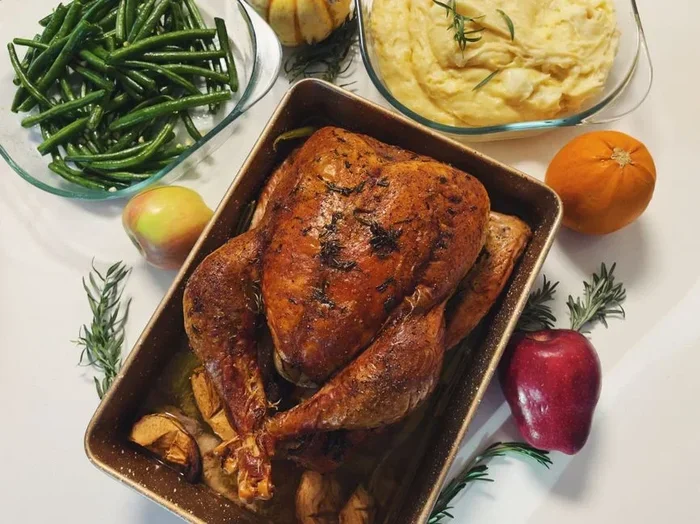
Cooking a 13 lb turkey takes about 3 to 3.5 hours at 325°F when roasted unstuffed. The exact time depends on whether you use a conventional oven or convection setting, and whether the turkey is stuffed or unstuffed. This guide covers everything you need to know about timing, temperature, and techniques for a perfectly cooked bird.
Cooking a 13 lb turkey can feel intimidating. You might worry about drying it out or undercooking it. But the truth is, once you understand the basics, it is not that hard. The key is knowing how long to cook a 13 lb turkey and keeping an eye on the temperature.
This guide walks you through every step. From prep to oven time to resting, you will find everything you need. Whether it is your first time or your fiftieth, you will pick up helpful tips here.
Let us dive in and make sure your next roast turkey comes out perfect.
Key Takeaways
- Plan for 3 to 3.5 hours: A 13 lb turkey needs roughly 15 minutes per pound at 325°F.
- Always use a meat thermometer: The internal temperature should reach 165°F in the thickest part of the thigh.
- Let the turkey rest: Allow 20 to 30 minutes of resting time before carving to keep juices inside.
- Unstuffed cooks faster: A stuffed 13 lb turkey adds about 30 to 45 minutes to the total cook time.
- Convection ovens cook faster: Reduce temperature by 25°F and check earlier than the standard time.
- Brining helps moisture: A simple dry or wet brine can make a big difference in juiciness.
📑 Table of Contents
How Long Does It Take to Cook a 13 lb Turkey?
The general rule of thumb is about 13 to 15 minutes per pound at 325°F. For a 13 lb bird, that means roughly 3 to 3.5 hours. But this is just a starting point. Several factors can change the cook time.
Unstuffed vs Stuffed Turkey Cook Time
An unstuffed 13 lb turkey cooks faster than a stuffed one. When you fill the cavity with stuffing, the heat has to penetrate through the extra layer. This adds time to the overall cook.
- Unstuffed 13 lb turkey: About 3 to 3.25 hours
- Stuffed 13 lb turkey: About 3.5 to 4 hours
If you stuff your turkey, make sure the stuffing reaches 165°F internally. Use a food thermometer to check. Nobody wants a undercooked stuffing in the middle of their holiday meal.
Conventional Oven vs Convection Oven
A convection oven uses a fan to circulate hot air. This means food cooks faster and more evenly. If you use a convection setting, reduce the temperature to 300°F and check the turkey about 20 to 30 minutes earlier than the standard time.
Some people also compare oven roasting times with other methods. For example, how long to cook chicken wings in oven 400 takes much less time because the pieces are smaller and thinner. The same logic applies to turkey, but at a lower temperature and longer duration.
What Temperature to Cook a 13 lb Turkey
The USDA recommends cooking turkey to an internal temperature of 165°F. This applies to the breast, thigh, and wing areas. But where exactly should you stick the thermometer?
Best Spots to Check Temperature
- Thickest part of the thigh: This is the last part to cook. Insert the probe into the meaty section without touching bone.
- Center of the breast: Check here to make sure the breast is not overcooked.
- Stuffing (if applicable): Make sure it reaches 165°F as well.
Some cooks pull the turkey out at 160°F and let carryover cooking bring it up to 165°F during rest. This is a great trick that prevents overcooking. The residual heat continues to work even after the bird leaves the oven.
Step by Step Guide to Roasting a 13 lb Turkey
Follow these steps for a golden, juicy roast every single time.
Step 1: Thaw the Turkey Properly
If your turkey is frozen, thaw it in the refrigerator. Allow about 24 hours for every 4 to 5 pounds. A 13 lb turkey needs roughly 3 days in the fridge. Never thaw a turkey on the counter. Bacteria can grow quickly at room temperature.
Step 2: Brine or Dry Rub
Brining adds moisture and flavor. A simple wet brine uses salt, sugar, and water. Submerge the turkey for 12 to 24 hours. A dry brine works too just rub salt all over the bird and let it sit uncovered in the fridge overnight.
Some cooks skip brining entirely. That is fine too. But if you have ever had a dry turkey before, brining is a game changer.
Step 3: Prep and Season
Pat the turkey dry with paper towels. Rub butter or oil under the skin of the breast. Season generously with salt, pepper, and your favorite herbs. Some people stuff the cavity with aromatics like onion, lemon, and herbs for extra flavor.
Make sure the oven is preheated to 325°F before the turkey goes in. Starting in a hot oven helps kick off the roasting process right.
Step 4: Roast and Monitor
Place the turkey breast side up on a rack in a roasting pan. Insert a meat thermometer into the thickest part of the thigh. Do not rely on the pop-up timer alone. Those are not always accurate.
Baste the turkey every 45 minutes or so. This keeps the skin moist and promotes even browning. If the skin is getting too dark before the inside is done, tent the bird loosely with aluminum foil.
Step 5: Rest Before Carving
This is the step most people skip. Once the turkey hits 165°F, take it out and let it rest for 20 to 30 minutes. Tent it loosely with foil. The juices will redistribute throughout the meat, making every slice moist and tender.
While the turkey rests, you can use the pan drippings to make a quick gravy. Keeping the turkey warm in the oven for up to an hour after cooking is also an option if your meal is delayed. Just keep the temperature low and tent with foil.
Common Mistakes When Cooking a 13 lb Turkey
Avoid these pitfalls to make sure your turkey turns out great.
- Not thawing the turkey fully: A partially frozen turkey cooks unevenly. The outside can burn while the inside stays raw.
- Overcooking the breast: The breast dries out faster than the thighs. Some people remove the breast halfway through to prevent this.
- Skipping the thermometer: Relying on time alone is risky. Ovens vary, and altitude affects cooking too.
- Opening the oven door too often: Every time you open the door, heat escapes. This extends cook time and can lead to uneven roasting.
- Forgetting to rest the turkey: Cutting into it right away lets all the juices run out. Patience pays off here.
Another mistake is comparing cook times across different oven types. For instance, cooking sausage in oven 400 takes about 20 to 25 minutes at a much higher temperature. Turkey needs a lower temperature for a longer time to cook through safely without drying out.
Tips for a Juicy and Flavorful Turkey
Want to take your turkey to the next level? Try these expert tips.
- Use compound butter: Mix softened butter with garlic, herbs, and lemon zest. Slide it under the skin for a rich, flavorful breast.
- Spatchcock the turkey: Flattening the bird cooks it more evenly and reduces total time by about 30 minutes.
- Cook dark meat separately: Some cooks remove the legs and thighs and roast them separately. This lets each part hit its ideal doneness.
- Add stock to the pan: Pour a cup of chicken or turkey broth into the bottom of the pan. It creates steam and prevents drippings from burning.
- Let the turkey come to room temperature: Take it out of the fridge 1 hour before cooking. An even starting temperature means more uniform cooking.
How Long Does a Cooked Turkey Last?
Leftover turkey keeps in the fridge for 3 to 4 days. Store it in an airtight container or wrap it tightly in foil. For longer storage, freeze cooked turkey. It stays good for up to 3 months in the freezer.
When reheating, make sure the internal temperature reaches 165°F again. Use the oven or microwave. Some people love making turkey soup with the leftovers. It is a great way to use every bit of that beautiful bird.
Remember that storing cooked meat properly is just as important as cooking it safely. For more long-term storage tips, check out our guide on how to store eggs for long term, which covers best practices for keeping perishable proteins fresh.
Final Thoughts
So how long to cook a 13 lb turkey? The answer is about 3 to 3.5 hours at 325°F for an unstuffed bird. But the real secret is using a meat thermometer, letting the turkey rest, and not rushing the process.
A perfectly roasted turkey does not happen by accident. It comes from preparation, patience, and paying attention to detail. Follow the steps in this guide, and you will serve a turkey that wows everyone at the table.
Now go ahead and fire up that oven. Your 13 lb turkey is going to be amazing.
Frequently Asked Questions
How long does it take to cook a 13 lb turkey at 325°F?
A 13 lb turkey takes about 3 to 3.5 hours at 325°F when roasted unstuffed. If the turkey is stuffed, add an extra 30 to 45 minutes. Always use a meat thermometer to confirm the internal temperature reaches 165°F.
Should I cover my turkey with foil while roasting?
You do not need to cover the turkey for the entire cook. However, if the skin is browning too fast, tent it loosely with foil for the last 45 minutes to an hour. This prevents burning while the inside continues to cook.
Can I cook a 13 lb turkey at 350°F instead of 325°F?
Yes, you can cook at 350°F. It will reduce the cook time by about 15 to 20 minutes. Just keep a close eye on the temperature and check for doneness early. Higher temperatures can dry out the breast meat faster.
How do I know when a 13 lb turkey is done?
The turkey is done when the thickest part of the thigh reaches 165°F on a meat thermometer. The juices should run clear when you pierce the thickest part. The leg should wiggle loosely in the socket as well.
Is it better to brine a turkey before roasting?
Brining adds moisture and flavor to the meat. A wet brine of salt, sugar, and water works well for 12 to 24 hours. A dry brine with just salt rubbed on the skin overnight is simpler and still very effective. Either method improves juiciness significantly.
How long should I let a 13 lb turkey rest before carving?
Let the turkey rest for 20 to 30 minutes after removing it from the oven. Tent it loosely with foil during this time. Resting allows the juices to redistribute, which makes every slice moist and flavorful.



