Cooking a turkey at 325°F is the gold standard for juicy, evenly roasted meat. The general rule is about 13 minutes per pound for an unstuffed turkey, but many factors affect the final time. This guide covers everything from turkey size and oven type to stuffing choices and resting techniques. You will walk away with a clear plan for how long to cook a turkey at 325 every single time.
Roasting a turkey can feel intimidating. There is so much to think about. What temperature? How long? Should you stuff it? The good news is that how long to cook a turkey at 325 follows a fairly simple formula. Once you know the basics, you can relax and enjoy the process.
Cooking at 325°F is widely recommended by food safety experts and chefs alike. This low-and-slow approach allows the heat to penetrate evenly. The result is tender meat throughout, with a beautifully golden skin. Whether you are preparing a Thanksgiving feast or a Sunday dinner, this guide has everything you need.
Key Takeaways
- Plan for 13 minutes per pound: This is the baseline for an unstuffed turkey at 325°F, but always use a meat thermometer to confirm doneness.
- Stuffing adds cooking time: A stuffed turkey needs roughly 15 minutes per pound, and the stuffing must reach 165°F internally.
- Resting is non-negotiable: Let your turkey rest for 20 to 30 minutes after pulling it from the oven to lock in juices.
- Brining makes a big difference: A wet brine of 12 to 24 hours keeps the meat moist and flavorful throughout cooking.
- Use a meat thermometer: The breast should hit 165°F and the thigh 175°F for perfectly cooked turkey.
- Tent with foil if needed: If the skin browns too fast, loosely cover the turkey with aluminum foil to prevent burning.
📑 Table of Contents
- Why 325°F Is the Ideal Temperature for Roasting Turkey
- Turkey Cooking Time Chart by Weight
- Factors That Change Your Cook Time
- How to Prepare Your Turkey for Roasting
- How Long to Cook a Turkey at 325: Step-by-Step Process
- Resting and Serving Your Turkey
- Common Mistakes to Avoid When Cooking Turkey
- Comparing Turkey Cooking Times at Different Temperatures
- Expert Tips for the Juiciest Turkey Every Time
- Conclusion
Why 325°F Is the Ideal Temperature for Roasting Turkey
You might wonder why 325°F stands out. Higher temperatures like 400°F or 425°F cook faster, but they also dry out the meat faster. At 325°F, the turkey cooks gently. The fat has time to render and baste the meat from the inside. This creates a moist, succulent result that is hard to beat.
Food safety experts also love this temperature. It keeps the turkey in the safe zone for bacterial growth. The meat stays above 140°F long enough to cook through without drying out. Think of 325°F as the sweet spot between safety and flavor.
How Oven Type Affects Cooking Time
Not all ovens are the same. A conventional oven circulates heat differently than a convection oven. Convection ovens use a fan to move hot air around. This means food cooks faster and more evenly. If you use a convection setting, reduce the temperature by about 25°F. So you would roast at 300°F convection instead of 325°F conventional.
Gas ovens and electric ovens also behave differently. Gas ovens tend to have more moisture in the heat. Electric ovens provide drier, more consistent heat. Both work well for turkey, but you may need to adjust your timing slightly based on your specific appliance.
Turkey Cooking Time Chart by Weight
The most reliable way to estimate your cook time is by weight. Here is a straightforward breakdown to help you plan.
Unstuffed Turkey Time Guide
For an unstuffed turkey at 325°F, the general guideline is about 13 minutes per pound. Here is a quick reference chart:
- 8 to 10 pounds: About 2.5 to 3.5 hours
- 10 to 12 pounds: About 3 to 3.5 hours
- 12 to 14 pounds: About 3.5 to 4 hours
- 14 to 18 pounds: About 4 to 4.5 hours
- 18 to 20 pounds: About 4.5 to 5 hours
- 20 to 24 pounds: About 5 to 6 hours
These numbers are starting points. Every oven runs a little hot or cool. The only way to know for sure is to check the internal temperature. Invest in a good instant-read thermometer. It removes all the guesswork.
Stuffed Turkey Time Guide
Stuffing a turkey adds about 15 to 30 minutes per pound to the total cook time. The stuffing needs to reach a safe internal temperature of 165°F. This means the turkey must cook longer to ensure the center is fully heated through.
- 8 to 10 pounds stuffed: About 3 to 4 hours
- 10 to 12 pounds stuffed: About 3.5 to 4.5 hours
- 12 to 14 pounds stuffed: About 4 to 5 hours
- 14 to 18 pounds stuffed: About 5 to 5.5 hours
Keep in mind that stuffing a turkey is a personal choice. Many cooks prefer to cook the stuffing separately. It is easier to control the texture and safety this way. But if you love traditional stuffed turkey, plan for the extra time.
Factors That Change Your Cook Time
Several factors can shift your cooking timeline. Understanding these helps you adjust on the fly and avoid a dry or undercooked bird.
Turkey Size and Shape
A wider, deeper turkey takes longer than a tall, slender one. The shape affects how heat reaches the center. A Butterball-style broad bird needs more time than a long, narrow fresh turkey of the same weight. This is because the thickest part of the bird takes longer to heat through.
Starting Temperature of the Turkey
Many people forget this. A frozen turkey takes significantly longer than a thawed one. Always thaw your turkey completely before roasting. The safest method is to thaw it in the refrigerator for about 24 hours per 4 to 5 pounds. A turkey straight from the fridge will also cook slower than one at room temperature. Letting it sit out for 30 to 60 minutes before roasting helps even cooking.
Pan Size and Roasting Rack
The pan you use matters more than you might think. A small pan traps steam around the bird. This can slow cooking and make the skin soggy. A large, shallow roasting pan allows hot air to flow freely. A roasting rack elevates the turkey and promotes even airflow underneath. These small details add up to meaningful time differences.
How to Prepare Your Turkey for Roasting
Proper preparation sets you up for success. Skipping steps here can lead to uneven cooking or dry meat. Follow these simple steps for the best results.
Brining for Moisture
Brining is one of the best things you can do for your turkey. A simple wet brine of water, salt, and sugar works wonders. The salt breaks down muscle proteins and helps the meat retain moisture. Brine your turkey for 12 to 24 hours in the refrigerator. This step alone can transform a good turkey into a great one.
If you are short on time, a dry brine is a solid alternative. Simply rub the turkey with salt and let it rest uncovered in the fridge for 12 to 24 hours. The salt draws out moisture, which then gets reabsorbed into the meat. The result is seasoned, juicy turkey without the hassle of a wet brine.
Bringing the Turkey to Room Temperature
Take your turkey out of the refrigerator about 30 to 60 minutes before cooking. This lets the meat cook more evenly from edge to center. A cold turkey going straight into a hot oven creates uneven doneness. The outside overcooks while the center lags behind. A quick tempering step solves this problem easily.
Seasoning and Aromatics
Season the inside of the cavity with salt, pepper, and your favorite herbs. Lemon halves, onion wedges, and garlic cloves add flavor from the inside out. Rub softened butter or olive oil over the outside of the bird. This helps the skin crisp up and turn golden brown. For extra flavor, try adding a pinch of paprika or dried sage to the butter before rubbing it on.
How Long to Cook a Turkey at 325: Step-by-Step Process
Now let us put it all together. Here is a clear, step-by-step process for roasting your turkey to perfection.
- Preheat your oven to 325°F. Give it at least 20 minutes to reach the right temperature before the turkey goes in.
- Prepare the turkey. Remove the giblets and neck from the cavity. Pat the bird dry with paper towels. Dry skin crisps up better than wet skin.
- Season generously. Use the brining, butter, and herb method described above. Do not be shy with the seasoning.
- Place the turkey breast-side up on a roasting rack inside a large roasting pan. This allows heat to circulate around the entire bird.
- Insert a meat thermometer. Place it into the thickest part of the thigh without touching the bone. Also check the thickest part of the breast.
- Roast according to the time chart. Baste the turkey every 45 minutes to keep it moist. If the skin is browning too fast, loosely tent it with aluminum foil.
- Check the internal temperature. The breast should reach 165°F and the thigh should reach 175°F. This is the moment of truth.
- Remove from the oven and let it rest. This step is just as important as the cooking itself. More on this below.
Following these steps gives you a clear roadmap. You will know exactly what to do from start to finish. No stress, no guesswork.
Resting and Serving Your Turkey
Once your turkey comes out of the oven, resist the urge to cut into it right away. Resting allows the juices to redistribute throughout the meat. If you slice too early, those juices run out onto the cutting board instead of staying in the bird. The result is dry, less flavorful meat.
Let the turkey rest for 20 to 30 minutes. Tent it loosely with aluminum foil to keep it warm. This resting period also gives the internal temperature a chance to rise slightly. That carryover cooking brings the final temperature up by a few degrees, ensuring food safety and perfect doneness.
If you need to keep the turkey warm before serving, you can place it in a low oven set to 200°F. Just make sure it is not touching any hot surfaces that might overcook the meat. For more tips on keeping your bird warm, check out our guide on how to keep a turkey warm in the oven. It covers simple techniques that make a big difference when timing your meal.
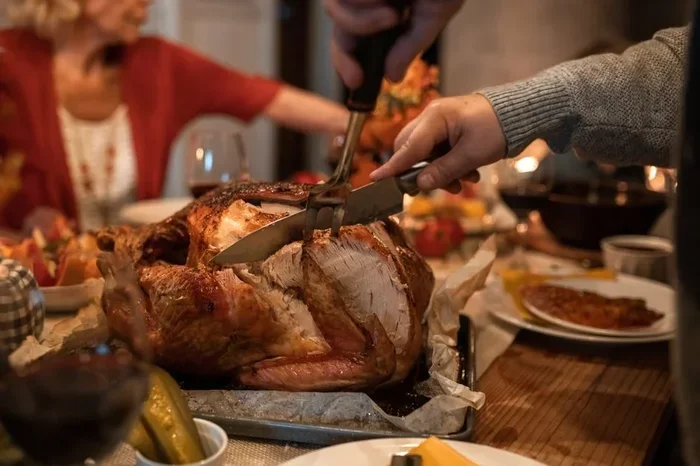
Carve the turkey by removing the legs first, then slicing along the breastbone. Use a sharp knife or a good carving set for clean, smooth cuts. Serve with your favorite gravy and sides for a complete meal.
Common Mistakes to Avoid When Cooking Turkey
Even experienced cooks make mistakes. Here are the most common ones and how to avoid them.
- Not using a meat thermometer: This is the number one mistake. Visual cues alone are not reliable. Always rely on a thermometer for accuracy.
- Overcooking the breast: The breast meat dries out faster than the thighs. Some cooks remove the breast early and let the thighs finish cooking separately. This is a smart technique worth trying.
- Skipping the brine: You do not have to brine, but if you skip it, you are missing out on a major flavor and moisture boost.
- Cooking at too high a temperature: It might be tempting to crank up the heat to save time. This leads to burnt skin and dry meat. Trust the 325°F process.
- Forgetting to baste: Basting keeps the surface moist and promotes even browning. Set a timer every 45 minutes so you do not forget.
Comparing Turkey Cooking Times at Different Temperatures
Wondering how 325°F compares to other common roasting temperatures? Here is a quick comparison to put things in perspective.
At 325°F, you get the best balance of moisture and flavor. The turkey cooks slowly and evenly. At 350°F, the cook time drops by about 10 to 15 percent. The skin browns faster, but there is a slightly higher risk of drying out the breast meat. At 400°F or higher, the cook time drops even more, but you need to watch the turkey closely. Many cooks who use higher temperatures start at 425°F for the first 30 minutes to crisp the skin, then drop to 325°F to finish cooking gently.
For comparison, if you are curious about how other foods cook in the oven at similar temperatures, check out our article on how long to cook chicken wings in oven 400. The principles of oven roasting and timing are similar, even if the bird is different.
The takeaway is clear. 325°F gives you the most forgiving, reliable results. It is the temperature most turkey recipes and food safety guidelines recommend. Stick with it, and you will not go wrong.
Expert Tips for the Juiciest Turkey Every Time
Here are some pro tips that separate a good turkey from a great one.
- Butter under the skin: Gently loosen the skin over the breast and rub softened butter directly onto the meat. This adds richness and moisture where it matters most.
- Use a roasting bag: Roasting bags trap moisture and create a self-basting environment. They are an easy way to ensure juicy results with minimal effort.
- Add broth to the pan: Pour a cup of chicken or turkey broth into the bottom of the roasting pan. This creates steam and prevents drippings from burning.
- Let the turkey sit uncovered in the fridge overnight: This dries the skin slightly, which leads to extra crispiness when roasting.
- Do not skip the thermometer: Even if you follow the time chart perfectly, a thermometer is your ultimate safety net.
These small extra steps make a noticeable difference. They show up in the flavor, the texture, and the overall presentation of your finished turkey.
Conclusion
Knowing how long to cook a turkey at 325 takes the mystery out of roasting. The basic formula of 13 minutes per pound for an unstuffed bird gives you a solid starting point. From there, adjustments for stuffing, oven type, and turkey shape fine-tune your results. Always use a meat thermometer, let the turkey rest, and follow the preparation steps outlined in this guide.
Roasting a turkey does not have to be stressful. With the right temperature, the right timing, and a little patience, you will serve up a juicy, golden, flavorful bird that everyone will love. Trust the process, enjoy the aroma filling your kitchen, and take pride in a job well done. Your next roast turkey will be the best one yet.
Frequently Asked Questions
How long does it take to cook a 12-pound turkey at 325°F?
A 12-pound unstuffed turkey typically takes about 3 to 3.5 hours at 325°F. If the turkey is stuffed, add about 30 to 45 minutes to that time. Always check the internal temperature with a meat thermometer to confirm doneness.
Can I cook a turkey at 325°F if it is frozen?
Yes, you can cook a turkey from frozen at 325°F, but it will take significantly longer. Plan for roughly 50 percent more cooking time than a thawed bird. The USDA recommends cooking a frozen turkey directly from the freezer, but thawing first ensures more even cooking and better results.
What is the safe internal temperature for turkey?
The USDA recommends a minimum internal temperature of 165°F for turkey. Check the thickest part of the breast and the innermost part of the thigh. If you stuffed the turkey, make sure the stuffing also reaches 165°F before serving.
Should I cover my turkey with foil while roasting?
You do not need to cover the turkey for the entire cook time. However, if the skin is browning too quickly, loosely tent it with aluminum foil for the remaining cooking time. This prevents burning while allowing the turkey to continue cooking through.
How long should I let the turkey rest before carving?
Let the turkey rest for 20 to 30 minutes after removing it from the oven. This resting period allows the juices to redistribute, making the meat juicier and easier to carve. Tent it loosely with foil to keep it warm during this time.
Does brining really make a difference in turkey juiciness?
Yes, brining makes a noticeable difference. The salt in the brine helps the meat retain moisture during cooking. Even a short dry brine of 12 hours can improve the texture and flavor of your turkey significantly compared to unbrined meat.