
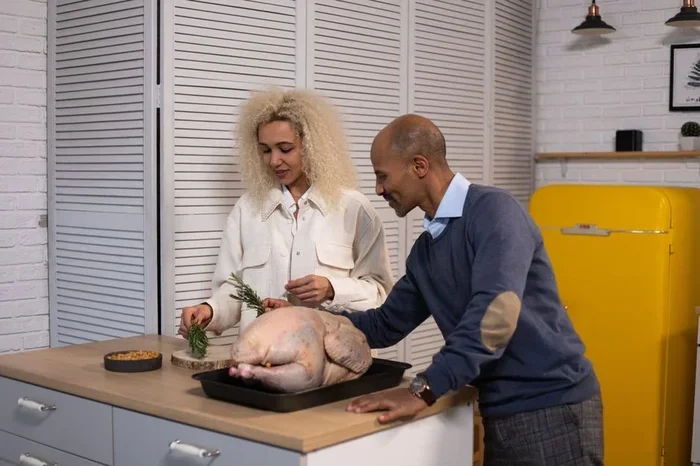
Planning Thanksgiving? You need to know exactly how long to defrost a turkey in the fridge. The general rule is 24 hours per 4 to 5 pounds of bird, so a 12-pound turkey takes about 3 days. This guide covers timing charts, safe thawing tips, and common mistakes to make sure your Thanksgiving turkey turns out perfectly.
Thanksgiving is just around the corner, and your turkey needs to come out of the freezer soon. But how long does it actually take to defrost a turkey in the fridge? The answer depends on the size of your bird, and getting it right is the difference between a juicy, delicious centerpiece and a stressful kitchen disaster.
Defrosting a turkey in the refrigerator is the safest and most recommended method. It keeps the meat at a steady, cool temperature that slows bacterial growth. The downside? It takes planning. You cannot rush it. So if Thanksgiving Day is looming and your turkey is still frozen solid, read on to find out exactly what you need to do.
This guide walks you through the complete thawing timeline, step-by-step instructions, and a few expert tips that will save you time and stress. Whether you are a first-time Thanksgiving host or a seasoned pro, you will find everything you need here.
Key Takeaways
- Plan Ahead: Allow 24 hours of fridge thawing for every 4 to 5 pounds of turkey weight.
- Safety First: Always thaw turkey on the lowest fridge shelf to prevent cross-contamination.
- Avoid the Danger Zone: Never leave turkey at room temperature for more than 2 hours.
- Check Temperature: Use a meat thermometer to confirm the turkey is fully thawed before cooking.
- Alternative Methods Exist: Cold water and microwave thawing work if you are short on time.
- Cook Immediately: Once thawed, cook the turkey within 1 to 2 days for best results.
📑 Table of Contents
- Why Refrigerator Thawing Is the Best Method
- How Long Does It Take to Defrost a Turkey in the Fridge?
- Step-by-Step Guide to Thawing Turkey in the Fridge
- Common Mistakes People Make When Thawing Turkey
- Alternative Thawing Methods When You Are Short on Time
- How to Tell When Your Turkey Is Fully Thawed
- Expert Tips for Perfect Thanksgiving Turkey Prep
- Final Thoughts
Why Refrigerator Thawing Is the Best Method
There are several ways to thaw a frozen turkey. You can use cold water, a microwave, or simply let it sit on the counter. But refrigerator thawing stands out as the safest option endorsed by food safety experts.
When you thaw turkey in the fridge, the meat stays at a consistent temperature below 40°F. This is the safe zone where bacteria do not multiply rapidly. Other methods, like leaving the turkey on the counter, can let the outer layers warm up into the danger zone while the inside is still frozen.
Here is why fridge thawing wins:
- Even thawing: The cold air circulates around the bird slowly and uniformly.
- Food safety: The turkey stays out of the bacterial danger zone (40°F to 140°F) the entire time.
- Flexibility: Once thawed, the turkey can safely stay in the fridge for an extra 1 to 2 days before cooking.
- No special equipment: You just need a fridge and some patience.
Some people compare this to how you would defrost tortillas in the microwave for quick meals. But a turkey is a completely different beast. It is large, dense, and needs gentle, steady thawing. Rushing the process with heat can lead to uneven results and food safety risks.
How Long Does It Take to Defrost a Turkey in the Fridge?
The golden rule for turkey thawing time is simple. Allow approximately 24 hours of fridge time for every 4 to 5 pounds of turkey weight. Let us break this down with a handy reference chart.
Turkey Thawing Time Chart
Use this chart to plan your Thanksgiving prep. Just find your turkey’s weight, and you will know exactly when to pull it from the freezer.
- 8 to 10 pounds: 2 to 2.5 days
- 12 to 14 pounds: 3 to 3.5 days
- 16 to 18 pounds: 4 to 4.5 days
- 20 to 22 pounds: 5 to 5.5 days
- 24 to 26 pounds: 6 to 6.5 days
So if your Thanksgiving dinner is on Thursday and you have a 14-pound bird, you should move it from the freezer to the fridge by Monday evening at the latest. That gives you about 3 full days of thawing time.
If you are wondering whether the same logic applies to other meats, consider how you would handle a roast. For example, cooking chicken thighs in a pressure cooker is a quick process, but thawing them properly beforehand still matters for even cooking and food safety.
Does Turkey Shape Affect Thawing Time?
Yes, it does. A turkey with the wings and legs tucked close to the body will thaw slightly faster than one with extended limbs. The shape affects how cold air flows around the surface. A Butterball-style round turkey often thaws a bit quicker than a heritage breed with long legs and a deep cavity.
Also, a turkey stored in a vacuum-sealed bag may thaw a little faster than one wrapped in freezer paper. The tighter the packaging, the more contact the cold air has with the surface.
Step-by-Step Guide to Thawing Turkey in the Fridge
Thawing turkey in the fridge is straightforward, but doing it correctly matters for both safety and quality. Follow these steps to get the best results.
Step 1: Remove the Turkey from the Freezer
Take the frozen turkey out of the freezer the night before you plan to start thawing. Keep it in its original packaging. The wrapper helps contain any drips and protects the meat from absorbing fridge odors.
Step 2: Place It on the Lowest Shelf
Set the turkey on the lowest shelf of your refrigerator. This is critical. If any juice leaks from the packaging, it will not drip onto other foods. Cross-contamination is a real risk with raw turkey. Always keep it below everything else in your fridge.
Step 3: Put It on a Tray or Pan
Place the wrapped turkey on a large baking sheet or roasting pan. This catches any condensation or leaks. A 16-pound turkey can release a surprising amount of liquid as it thaws. Trust me, you do not want that on your fridge floor.
Step 4: Leave It Undisturbed
Let the turkey sit in the fridge without opening the door constantly. Every time you open the fridge, the temperature fluctuates slightly. Keep the door closed and let the cold air do its job.
Step 5: Check for Doneness
After the recommended thawing time, check if the turkey is fully defrosted. Feel the thickest part of the breast and the inner thigh. There should be no ice crystals or frozen pockets. If you find any ice, give it another 12 to 24 hours.
Some cooks like to compare this process to how they handle other frozen items. For instance, keeping a turkey warm in the oven after cooking is an entirely different challenge than thawing. Both require patience and attention to temperature.
Common Mistakes People Make When Thawing Turkey
Even experienced cooks make mistakes when it comes to thawing turkey. Here are the most common errors and how to avoid them.
Mistake 1: Leaving Turkey on the Counter
This is the number one mistake. Leaving a frozen turkey on the kitchen counter to “defrost at room temperature” is dangerous. The outer layers of the meat warm up into the bacterial danger zone while the inside remains frozen. Bacteria multiply rapidly between 40°F and 140°F. This can lead to foodborne illness.
The USDA explicitly advises against this method. It might seem convenient, but the risk is simply not worth it.
Mistake 2: Not Planning Far Enough Ahead
Many people wait until the night before Thanksgiving to start thawing. For a large bird, this is cutting it dangerously close. A 20-pound turkey needs 5 full days in the fridge. If you start too late, you will be forced to use the cold water method instead, which requires constant attention.
Mistake 3: Forgetting to Check the Temperature
Not all fridges maintain the same temperature. If your fridge runs warm, the thawing process accelerates but so does bacterial growth. Use a fridge thermometer to confirm your appliance stays at 40°F or below. This small step makes a big difference in food safety.
Mistake 4: Cooking a Partially Frozen Turkey
Some people think they can just pop a partially thawed turkey in the oven. While it is technically possible to cook from frozen, the results are inconsistent. The outside may overcook before the inside reaches a safe temperature. Always ensure the turkey is completely thawed before it goes into the oven.
If you are curious about cooking other frozen items, note that cooking frozen enchiladas in the oven follows different principles than turkey. Enchiladas are small and thin, so they cook more evenly from frozen. A whole turkey is a completely different story.
Alternative Thawing Methods When You Are Short on Time
What if you forgot to plan ahead and your turkey is still frozen? Do not panic. There are two alternative methods that work in a pinch.
Cold Water Thawing
Submerge the wrapped turkey in cold water. Change the water every 30 minutes to keep it cold. This method takes about 30 minutes per pound. A 12-pound turkey would need roughly 6 hours. It works well if you start the process in the morning of Thanksgiving Day.
Important: Cook the turkey immediately after cold water thawing. Do not let it sit out at room temperature afterward.
Microwave Thawing
If your microwave has a defrost setting, you can use it for smaller turkeys (under 12 pounds). Follow your microwave’s instructions for weight and power level. The downside is that some parts may start to cook while others remain frozen. You must cook the turkey right away after microwave thawing.
For comparison, defrosting smaller items like putting a frozen burger in the air fryer is a much quicker process. Burgers are thin and cook fast, but a whole turkey demands a completely different approach.
How to Tell When Your Turkey Is Fully Thawed
Knowing when the turkey is ready to cook is just as important as the thawing process itself. Here are three reliable ways to check:
- The Touch Test: Press the thickest part of the breast and the inner thigh. If you feel any ice crystals or hard, frozen spots, it needs more time.
- The Joint Check: Gently wiggle the leg joint and the wing joint. If they move freely without resistance, the turkey is likely thawed.
- The Thermometer Test: Insert a meat thermometer into the thickest part of the breast. The temperature should read above 32°F throughout. No cold spots should remain.
If you are unsure, it is always better to give the turkey an extra few hours in the fridge. A little extra time will not hurt. An under-thawed turkey, on the other hand, can lead to uneven cooking and potential food safety issues.
Expert Tips for Perfect Thanksgiving Turkey Prep
Here are some bonus tips from experienced cooks to help you nail Thanksgiving dinner.
- Brine before thawing: If you plan to brine your turkey, do it after thawing. A brine on a frozen turkey will not penetrate evenly.
- Pat it dry: Once thawed, remove the turkey from its packaging and pat it completely dry with paper towels. This helps the skin crisp up in the oven.
- Bring it to room temperature: Take the thawed turkey out of the fridge about 1 hour before cooking. This promotes more even cooking throughout the bird.
- Store safely: If your thawed turkey needs to wait a day or two before cooking, keep it on the lowest shelf and cook it within 1 to 2 days.
- Label your freezer: When you freeze your turkey, label it with the date and weight. This makes thawing planning much easier for next year.
Proper thawing connects to the whole cooking process. Just as you would not rush broiling a hamburger in the oven, you should not rush thawing your turkey. Each step matters for the final result.
Final Thoughts
Defrosting a turkey in the fridge does not have to be stressful. With the right timing and a little planning, you can set your Thanksgiving bird up for success. Remember the simple rule: 24 hours per 4 to 5 pounds. Keep the turkey on the lowest shelf, use a tray to catch drips, and check for doneness before cooking.
The most important takeaway is this: start early. The best Thanksgiving dinners are not just about the cooking. They are about the preparation. When you thaw your turkey safely and properly, you free yourself up to focus on the sides, the desserts, and the moments that matter most with family and friends.
So mark your calendar, pull that turkey out of the freezer, and give it the time it needs. Your Thanksgiving table will thank you for it.
Frequently Asked Questions
Can I defrost a turkey on the counter overnight?
No, this is not safe. The outer layers of the turkey will warm into the bacterial danger zone while the inside remains frozen. Always thaw turkey in the fridge, in cold water, or in the microwave.
How do I know if my turkey is thawed enough to cook?
Check the thickest part of the breast and inner thigh for any remaining ice crystals. The joints should move freely, and a meat thermometer should read above 32°F throughout with no cold spots.
Can I cook a turkey straight from frozen?
Yes, but it will take at least 50% longer to cook, and the results may be uneven. The USDA recommends thawing first for the best safety and quality outcomes.
How long can a thawed turkey stay in the fridge?
A fully thawed turkey can safely remain in the refrigerator for 1 to 2 days before cooking. After that, you should cook it or refreeze it.
What is the fastest safe way to defrost a turkey?
The cold water method is the fastest safe option. Submerge the wrapped turkey in cold water, changing the water every 30 minutes. It takes about 30 minutes per pound.
Should I wash my turkey after thawing it?
No. The USDA advises against washing raw turkey. Splashing water can spread bacteria to nearby surfaces and other foods. Simply pat the turkey dry with paper towels instead.



