
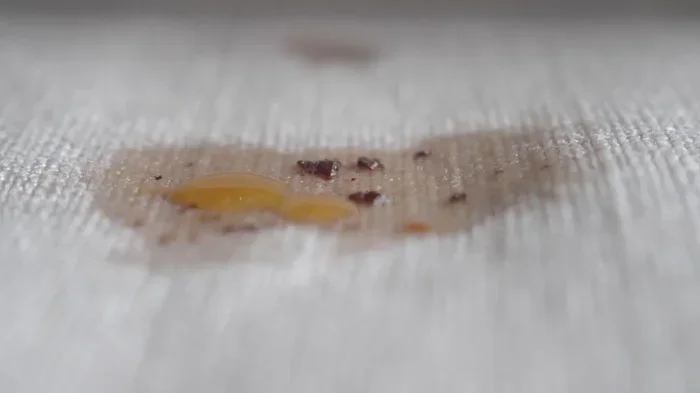
Want to give your clothes or home textiles a warm, vintage look? Learning how to coffee stain fabric is a simple, affordable way to create natural dye effects at home. You only need brewed coffee, water, and a few basic supplies to transform plain cotton or linen. This guide walks you through every step so you can achieve beautiful, even results without harsh chemicals.
Giving your favorite shirt or table runner a soft, aged look does not require expensive craft supplies. You can achieve a warm, earthy tone using something you probably already have in your kitchen. When you learn how to coffee stain fabric, you unlock a simple dyeing method that feels both creative and sustainable. Many crafters love this approach because it brings a handmade charm to plain textiles.
The process works best on natural fibers that readily soak up liquid dyes. You will notice richer results when you choose the right coffee blend and control your water ratio. A little patience goes a long way, especially when you want an even finish instead of random blotches. With a few easy steps, you can turn basic cloth into something that feels carefully designed.
This guide breaks the entire method into clear stages. You will see how to prepare your workspace, mix your dye bath, and set the color for lasting wear. We also cover fabric choices, common pitfalls, and quick fixes so you feel confident from start to finish. By the end, you will know exactly how to coffee stain fabric for pillows, garments, or DIY decor.
Key Takeaways
- Natural dye alternative: Coffee offers a safe, chemical-free way to color natural fabrics.
- Best fabric choices: Cotton, linen, and hemp absorb coffee dye most effectively.
- Brew strength matters: Stronger coffee creates deeper, richer stain colors.
- Prep your fabric: Clean, damp cloth ensures even dye absorption and better results.
- Heat sets the color: Simmering or baking helps lock the coffee stain into fibers.
- Test first always: Small swatch testing prevents unwanted shade surprises.
- Wash gently after: Cold water and mild detergent preserve your new coffee dye finish.
📑 Table of Contents
Choosing the Right Fabric for Coffee Dyeing
Not every material reacts the same way to natural dyes. Your results improve dramatically when you pick fibers that absorb color well. Natural fabrics tend to take coffee beautifully because their fibers open up during the dyeing process. Synthetic blends often resist the stain or produce uneven patches.
Best Natural Fibers for Coffee Staining
Cotton stands out as the easiest fabric to work with. It soaks up coffee quickly and holds the tone evenly. Linen also performs well, though it may show a slightly more textured finish. Hemp and rayon blends can work too, but always check the label first. If you want a soft vintage look, start with a plain cotton sheet or an old cotton tee.
Fabrics to Avoid
Polyester and other synthetic fibers usually repel water-based dyes. You might see a faint tint, but the color rarely lasts. Fabrics with heavy waterproof coatings also block absorption. If you love a mixed blend, test a small corner first. A quick swatch check saves you from disappointment later.
Preparing Your Coffee Dye Bath
The strength of your brew directly affects your final shade. A weak cup creates a pale tan, while a bold brew produces deeper brown tones. Many people ask how to coffee stain fabric with consistent results, and the answer starts with a reliable recipe. You can adjust the intensity by changing your coffee amount and water volume.
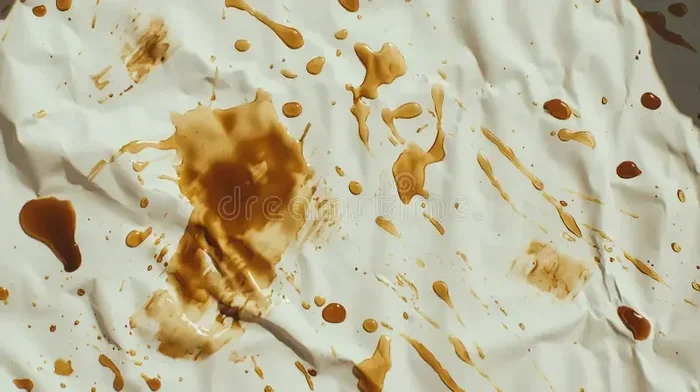
Visual guide about Coffee stained fabric closeup
Image source: thumbs.dreamstime.com
Coffee-to-Water Ratio Tips
A simple starting point uses about two cups of strong coffee for every gallon of water. You can make the bath darker by adding more grounds or using less water. Keep in mind that wet fabric often looks darker than dry fabric. If you want a gentle tint, use a lighter brew and shorten the soak time.
Brewing Methods That Work Best
A standard drip machine works fine, but a French press or stovetop pot often creates a richer liquid. Fine grounds usually release more color than coarse beans. You can also steep used grounds again for a second, softer batch. Some crafters even mix different roast levels to create custom warm tones.
Step-by-Step Process to Coffee Stain Fabric
Once your dye bath is ready, the actual staining process stays simple. The key is steady heat, good fabric prep, and enough soak time. Follow these stages closely and you will see smooth, predictable results.
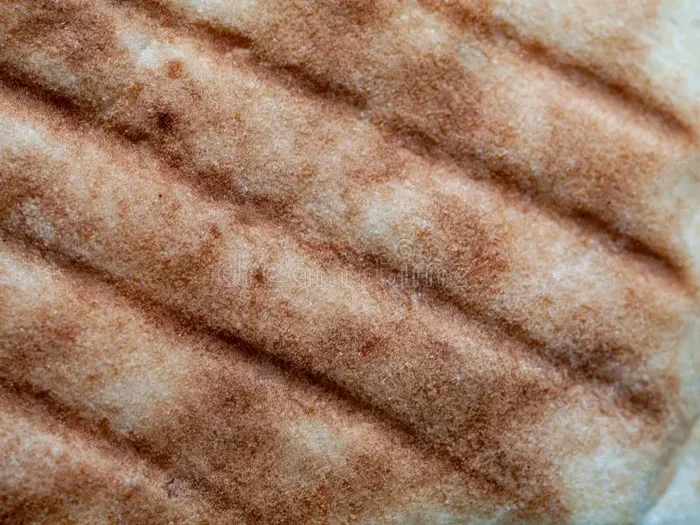
Visual guide about Coffee stained fabric closeup
Image source: thumbs.dreamstime.com
Washing and Dampening the Fabric
Start with clean cloth that has no detergent residue. Wash the item first if it carries oils, dirt, or finishing sprays. Then dampen the fabric before it enters the dye bath. A wet surface helps the coffee spread evenly instead of sitting on top of dry fibers.
Soaking and Stirring Techniques
Submerge the fabric fully in your coffee bath. Keep the cloth moving gently so every section gets equal exposure. You can stir with a wooden spoon or wear gloves and shift the fabric by hand. Longer soaking usually means deeper color, but check the shade often to avoid going too dark.
Setting the Color with Heat
Heat helps the coffee pigment bond with the fibers. You can simmer the fabric on the stove for a short time or place it in a low-temperature oven. Some people also use a warm iron after the fabric dries a little. If you want extra colorfastness, a mild salt or vinegar rinse can help lock the tone in place.
Tips for Even Color and Vintage Effects
Perfect uniformity is not always the goal. Many DIY projects aim for a soft, aged appearance with subtle variation. You can shape that look with a few simple tricks. These techniques help you control the mood of the final piece.
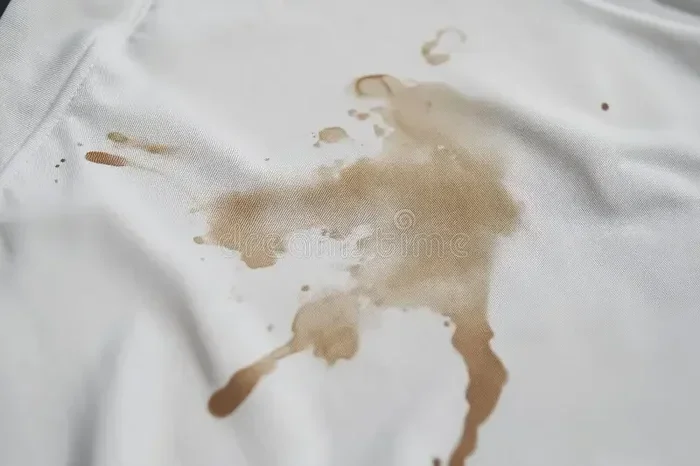
Visual guide about Coffee stained fabric closeup
Image source: thumbs.dreamstime.com
Creating Gradient and Muted Looks
Pull the fabric partially out of the dye bath to create lighter sections. You can also fold, twist, or tie parts of the cloth before soaking for a more organic pattern. A shorter steep time keeps the tone gentle and airy. For a faded look, rinse the fabric earlier and let it dry in gentle sunlight.
Adding Depth with Multiple Dips
One soak may not give you the shade you want. Let the cloth dry, then dip it again for a richer finish. Layering builds depth without overwhelming the material. This approach works especially well when you want a warm brown that feels layered rather than flat.
Common Mistakes and How to Fix Them
Even an easy method can go sideways if you rush a step. Most problems come from uneven prep, overly strong dye, or skipping the setting stage. The good news is that many issues are fixable with a little patience.
Streaks, Spots, and Uneven Dyeing
Streaks often appear when the fabric stays bunched up in the bath. Stir more often and keep the cloth fully stretched. Spotty color can also happen if the coffee cools too fast or the fabric dries unevenly. A second dip usually softens harsh differences.
Color Too Dark or Too Light
If the shade becomes too deep, rinse the fabric thoroughly and let it dry. You can also dilute the dye bath and soak the item briefly to lift some tone. If the color stays too pale, brew a stronger batch and repeat the process. Small adjustments work better than drastic changes.
Caring for Coffee-Dyed Fabrics
Once your project is finished, gentle care helps the color last longer. Natural dyes can fade faster than commercial ones, so a careful routine matters. Simple habits keep your handmade tones looking fresh.
Washing and Drying Best Practices
Wash coffee-stained items in cold water whenever possible. Use a mild detergent and avoid harsh bleach products. Turn the fabric inside out to reduce surface friction. Air drying usually protects the color better than high heat. If you use a dryer, choose a low setting and remove the item while it is still slightly damp.
Storage and Long-Term Color Care
Store dyed textiles away from direct sunlight when you can. UV exposure slowly fades warm brown tones over time. Keep items in a dry place so moisture does not affect the fibers. If you stain several pieces, label them with the date and brew strength so you can repeat your favorite results later.
Final Thoughts on Coffee Staining
Learning how to coffee stain fabric gives you a creative, low-cost way to refresh textiles at home. The process feels approachable because it uses familiar ingredients and simple tools. You can create anything from a light natural tint to a deep rustic brown with a few adjustments. The best part is that each piece turns out a little unique, which adds to the charm.
Start with a small project before moving to larger items. A napkin, pillowcase, or old shirt makes a perfect practice piece. Keep notes on your brew strength, soak time, and heat setting so you can recreate your favorite shade. Once you get comfortable, you will find many ways to use this gentle dyeing method in your crafts.
With a steady hand and a little experimentation, you can turn plain fabric into something warm and memorable. Coffee dyeing rewards curiosity, and every batch teaches you something new. Enjoy the process, trust your eyes, and let your projects develop their own character.
Frequently Asked Questions
What fabrics absorb coffee dye the best?
Natural fibers like cotton, linen, and hemp absorb coffee dye most effectively. These materials soak up the liquid evenly and hold the warm brown tone well. Synthetic blends usually resist the dye, so always check the fabric content first.
Can I use instant coffee to stain fabric?
Yes, instant coffee can work for lighter dyeing projects. It creates a softer tone than brewed grounds, so you may need a stronger solution for deeper color. Dissolve the instant coffee fully in warm water before adding the fabric.
How do I make the coffee stain darker?
Use a stronger brew, add more coffee grounds, or soak the fabric longer. You can also repeat the dip after the cloth dries to build richer depth. Keep checking the color often so you do not over-darken the material.
Will coffee dye wash out over time?
Some fading can happen, especially with frequent washing or sun exposure. Cold water washes, mild detergent, and low-heat drying help preserve the color. A heat-setting step after dyeing also improves longevity.
Do I need to add vinegar or salt to set the dye?
You do not always need extras, but vinegar or salt can help some fabrics hold color better. These additives may improve the bond between the dye and the fibers. Test a small swatch first so you know how your fabric responds.
Can I coffee stain fabric for outdoor decor?
You can, but outdoor items face sun, rain, and wear that may fade natural dye faster. If you use coffee-stained fabric outside, choose a protective spray made for fabrics and bring pieces in when possible. For heavy-use outdoor projects, commercial dye may last longer.



