
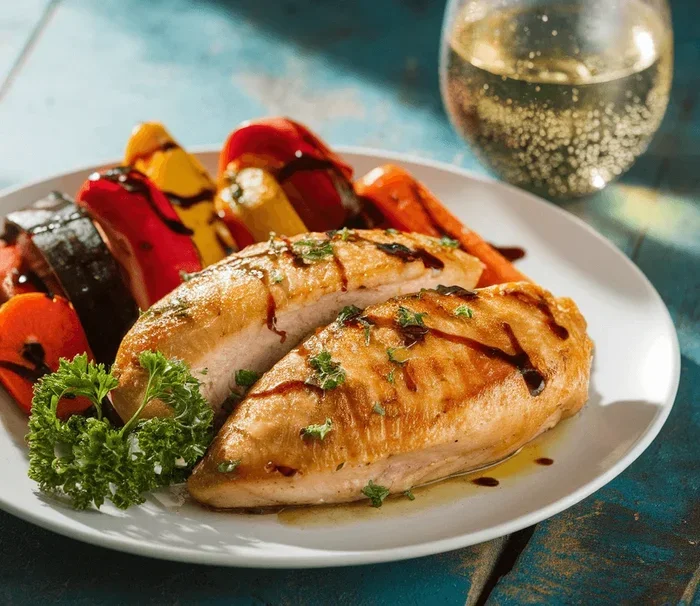
Cooking boneless chicken in an air fryer is fast, easy, and delivers incredibly juicy results with minimal cleanup. You just need simple seasoning, the right temperature, and a few minutes of prep to enjoy a healthy, crispy meal. This method works for breasts, thighs, and tenders without drying them out. Follow our step-by-step guide to master this weeknight staple in no time.
If you want a fast, healthy dinner that actually tastes good, learning how to cook boneless chicken in an air fryer is a game changer. This handy appliance circulates hot air around the food, giving you that crispy outside while keeping the inside tender and juicy. Best of all, you do not need a lot of oil or fancy techniques to get great results.
Boneless chicken is already a weeknight favorite because it cooks quickly and fits into so many meals. But traditional baking or pan frying can sometimes leave it dry or require constant watching. The air fryer solves both problems. It heats up fast, cooks evenly, and frees up your stove for other tasks. Whether you are making sandwiches, salads, or a simple plate with veggies, this method delivers consistent results every time.
In this guide, you will learn the best temperatures, cooking times, seasoning ideas, and simple tricks to keep your chicken moist. We will also cover common mistakes to avoid and answer a few FAQs so you can cook with confidence. Let us dive in and make dinner easier.
Key Takeaways
- Quick Cooking Time: Boneless chicken cooks in just 10-15 minutes at 375°F to 400°F, making it perfect for busy weeknights.
- Juicy Results Guaranteed: Use a light coating of oil and avoid overcooking to keep the meat tender and moist.
- Versatile Seasoning Options: From garlic herb to spicy Cajun, you can customize flavors to match any craving.
- Safe Internal Temperature: Always cook chicken to 165°F internally for food safety without sacrificing texture.
- Minimal Prep and Cleanup: No extra pans or excessive oil needed, just a quick spray and a simple seasoning rub.
- Rest Before Serving: Let the chicken rest for 3-5 minutes after cooking to lock in juices and improve texture.
📑 Table of Contents
Why Air Frying Boneless Chicken Works So Well
Air fryers are basically small convection ovens that move hot air rapidly around the food. This fast air circulation removes surface moisture quickly, which helps create a light crisp on the outside. At the same time, the sealed basket traps heat, so the chicken cooks efficiently without drying out.
Boneless chicken is ideal for this cooking method because it has a uniform shape and no bones to slow down heat penetration. That means the meat cooks evenly from edge to edge. You also get more control over the final texture. If you like a slightly crispy exterior with a soft, juicy center, the air fryer can deliver that with very little effort.
Another big advantage is speed. Most boneless chicken pieces cook in under fifteen minutes once the appliance is hot. You also skip the long preheat times that ovens often need. This makes the air fryer a perfect tool for busy evenings, meal prep, or quick lunches.
Faster Cooking With Less Oil
One of the main reasons people love air frying is the ability to get great texture with very little oil. You do not need to submerge the chicken in oil or stand over a hot skillet. A light spray or a teaspoon of oil is usually enough to help seasonings stick and encourage browning.
This also means fewer calories and a lighter feel after eating. If you are watching your fat intake or just want a cleaner cooking method, air frying is a smart choice. The chicken still tastes rich and satisfying because the seasoning and natural juices do most of the work.
Even Heat For Consistent Results
Unlike a pan where one side can cook faster than the other, an air fryer surrounds the food with moving heat. That helps boneless chicken cook more evenly, especially when you arrange the pieces in a single layer. You still want to flip the chicken halfway through, but you will notice fewer hot spots and less guesswork.
This consistency is especially helpful if you are cooking for a family or prepping several portions at once. Once you find the right time and temperature for your favorite cut, you can repeat it again and again with reliable results.
Choosing The Right Cut Of Boneless Chicken
Not all boneless chicken is exactly the same. The cut you choose affects cooking time, texture, and seasoning. The most common options are boneless skinless breasts, boneless thighs, and tenderloins. Each one has its own strengths, so it helps to know what you are working with before you start.
Boneless skinless breasts are lean and cook quickly, but they can dry out if overcooked. Boneless thighs are a little higher in fat, which gives them more natural moisture and a richer flavor. Tenderloins are small, tender, and very quick to cook, making them great for snacks, skewers, or quick strips for salads.
Boneless Skinless Breasts
Breasts are the most popular choice for a reason. They are versatile, lean, and easy to season. The key is to avoid high heat for too long. If you cook them at a moderate temperature and check the internal temperature early, you will get a juicy result with a lightly crisp exterior.
For thicker breasts, you can pound them to an even thickness before cooking. This helps them cook evenly and reduces the chance of a dry outer layer before the center is done. Even a small adjustment like this can make a big difference in texture.
Boneless Thighs And Tenderloins
Thighs are more forgiving because they have a bit more fat and connective tissue. That means they stay tender even if they cook a minute or two longer than planned. They are a great option if you want a juicier bite or a more robust flavor.
Tenderloins are the quickest option. Because they are small and thin, they cook very fast and are perfect when you want a light meal or a protein boost for bowls and wraps. Just keep a close eye on them so they do not overcook.
How To Cook Boneless Chicken In An Air Fryer Step By Step
If you are wondering how to cook boneless chicken in an air fryer without guessing, this simple process will help you get steady results. The steps are easy, and you can adjust them based on the cut and size of your chicken.
Start with fresh or fully thawed chicken. Pat it dry with paper towels, because excess moisture can stop the surface from browning. Then season it lightly on both sides. A simple mix of salt, pepper, garlic powder, and paprika works well, but you can use any seasoning blend you like. A tiny amount of oil helps the seasoning stick and improves crispness.
Prep And Seasoning Basics
Place the chicken in the air fryer basket in a single layer if possible. Avoid stacking the pieces, because crowded food cooks unevenly and loses crispness. If you need to cook a larger batch, do it in rounds so each piece gets enough airflow.
Before cooking, lightly spray or brush the chicken with oil. You do not need much. The goal is just to help the outside brown and give the seasoning something to cling to. If you prefer a lower-fat approach, you can skip the oil and still get decent results, though the crust may be softer.
Temperature And Timing Guidelines
A good starting point is 375°F to 400°F. Smaller pieces like tenders or thin cutlets can cook at 400°F for a shorter time. Larger breasts usually do better at 375°F so the outside does not brown too quickly before the center is done.
As a general rule, boneless chicken often needs about 10 to 15 minutes total, depending on thickness. Flip the pieces halfway through for even cooking. If your chicken is especially thick, you may need a few extra minutes. The safest way to check doneness is with a meat thermometer.
Here is a simple comparison to help you plan:
| Cut | Temperature | Approximate Time | Notes |
|---|---|---|---|
| Boneless skinless breasts | 375°F | 12-15 minutes | Flip halfway; check thickness |
| Boneless thighs | 375°F to 400°F | 10-14 minutes | More forgiving; stays juicy |
| Tenderloins | 400°F | 8-10 minutes | Small and quick; watch closely |
| Thin cutlets | 400°F | 7-10 minutes | Best when pounded evenly |
These times are starting points, not fixed rules. Air fryer models vary, and chicken size varies too. Always verify doneness with a thermometer or by checking that the juices run clear.
Flipping, Checking, And Resting
Flip the chicken halfway through cooking so both sides get exposure to the moving heat. This helps create a more even finish and better texture. If you notice one side browning faster, you can lower the temperature slightly or reduce the remaining cook time.
When the timer ends, check the internal temperature. You want it to reach 165°F in the thickest part. If it needs more time, add a minute or two and check again. It is better to check early and add time than to overshoot and dry out the meat.
After cooking, let the chicken rest for a few minutes before slicing. Resting helps the juices settle back into the meat instead of running out immediately. This small step makes a noticeable difference in juiciness.
Seasoning Ideas For Every Taste
One of the best parts of cooking boneless chicken in an air fryer is how easy it is to change the flavor. You can keep it simple or build bold seasonings depending on what you are craving. A good seasoning mix usually includes salt, pepper, and at least one aromatics-like spice such as garlic, onion, paprika, or herbs.
If you want a classic savory flavor, try salt, black pepper, garlic powder, and a little paprika. For a brighter profile, add dried oregano, thyme, and a squeeze of lemon after cooking. If you like heat, a touch of cayenne, chili powder, or hot sauce in the rub can give the chicken a tasty kick.
Simple Dry Rubs
Dry rubs are easy to prepare and store. You can mix a small batch and keep it handy for quick meals. A basic rub might include salt, pepper, garlic powder, onion powder, and paprika. For a slightly sweet and smoky flavor, add a little brown sugar and smoked paprika.
Apply the rub evenly on both sides of the chicken. If the rub feels too dry, a light mist of oil can help it adhere. This also improves browning, especially on the outside of the chicken.
Marinades And Glazes
Marinades can add moisture and flavor before cooking. A simple marinade with olive oil, lemon juice, garlic, and herbs works well for boneless chicken. If you use a marinade, pat the chicken slightly dry before air frying so the surface can still crisp.
Glazes work best near the end of cooking. If you brush on a sweet or sticky glaze too early, it may burn before the chicken is done. A light coating in the last minute or two gives you flavor without scorching the outside.
Common Mistakes To Avoid
Even though air frying is simple, a few common mistakes can affect the final result. Avoiding these pitfalls will help you get juicy chicken more consistently.
One big mistake is overcrowding the basket. When the pieces touch too much, air cannot move around them properly. That leads to uneven cooking and less crispness. Give each piece some space whenever possible.
Another mistake is skipping the drying step. Wet chicken steams instead of browning, which can leave the exterior soft and pale. A quick pat with paper towels takes only a moment and improves the finish.
Overcooking And Dry Texture
Boneless chicken is lean, so it does not take much to dry it out. Setting the temperature too high or cooking too long can make the texture tough. Start with a moderate temperature and check the chicken early, especially if your pieces are small or thin.
Using a thermometer removes much of the guesswork. Once the chicken hits 165°F, it is done. Pull it out right away and let it rest. That short rest period helps preserve moisture.
Uneven Pieces And Poor Airflow
If your chicken pieces vary a lot in thickness, some parts may cook faster than others. Pounding thicker breasts to a more even size helps them cook at the same rate. It also reduces the chance of a dry outer layer before the center reaches temperature.
Airflow matters too. If your air fryer basket has a odd shape or the chicken blocks the vent, cooking may be uneven. Arrange the pieces carefully and shake or flip them as needed for a more balanced result.
Quick Tips For Juicy Air Fryer Chicken
A few small habits can make a big difference in the final texture. These quick tips are easy to remember and work well with most boneless chicken cuts.
- Pat the chicken dry first. Less surface moisture means better browning.
- Use a light oil spray. A small amount helps seasoning stick and improves crispness.
- Season both sides. Even coverage gives better flavor in every bite.
- Cook in a single layer. Good airflow leads to more even results.
- Flip halfway through. This helps both sides brown properly.
- Check temperature early. Pull the chicken at 165°F to avoid drying it out.
- Rest before slicing. A short rest keeps the juices inside the meat.
If you are new to air frying, start with a simple seasoning and a moderate temperature. Once you get comfortable with your machine, you can adjust times and flavors to match your taste. Every air fryer behaves a little differently, so a little experimentation goes a long way.
Serving Ideas And Meal Prep Tips
Boneless chicken cooked in an air fryer fits into almost any meal. You can slice it for wraps, chop it for bowls, or serve it whole with a side of vegetables. It also works well in sandwiches, salads, pasta dishes, and grain bowls.
If you are meal prepping, cook a few extra portions and store them in airtight containers once they cool. Boneless chicken usually stays tender for a few days in the refrigerator, especially if you do not overcook it. You can reheat it gently in the air fryer to bring back some crispness without drying it out.
For a balanced plate, pair the chicken with roasted vegetables, rice, quinoa, or a fresh salad. Since the chicken cooks quickly, you can easily make a full meal without spending much time in the kitchen. That makes it a practical option for everyday cooking.
Conclusion
Learning how to cook boneless chicken in an air fryer is one of the easiest ways to make quick, juicy meals with less fuss. With the right temperature, a simple seasoning, and a little attention to doneness, you can get tender chicken with a lightly crisp finish every time. Whether you use breasts, thighs, or tenders, the air fryer gives you fast results and very little cleanup.
Start with the basics, keep an eye on thickness, and use a thermometer to avoid overcooking. From there, you can experiment with different rubs, marinades, and serving ideas to keep meals interesting. Once you get the hang of it, boneless chicken becomes an easy go-to for busy nights and simple lunches alike.
Frequently Asked Questions
How long does boneless chicken take in an air fryer?
Most boneless chicken pieces take about 10 to 15 minutes at 375°F to 400°F, depending on thickness. Smaller cuts like tenders cook faster, while thicker breasts may need a little more time. Always check the internal temperature to be sure.
What temperature should I use for boneless chicken?
A good starting temperature is 375°F for thicker pieces and 400°F for smaller or thinner cuts. Higher heat can brown the outside quickly, so moderate heat often gives the best balance of crispness and juiciness. Adjust based on your air fryer and the size of the chicken.
Do I need oil when air frying boneless chicken?
You do not need much oil, but a light spray or brush helps seasonings stick and improves browning. If you want a lower-fat result, you can use very little oil and still get decent texture. The chicken will still cook well without a lot of added fat.
How do I keep boneless chicken from drying out?
Pat the chicken dry, season it well, and avoid overcooking. Use a moderate temperature and check the internal temperature early so you can stop cooking as soon as it reaches 165°F. Letting the chicken rest for a few minutes also helps keep it juicy.
Can I cook frozen boneless chicken in an air fryer?
Yes, you can cook frozen boneless chicken, but it usually takes longer and may cook less evenly. It is best to thaw the chicken first for better texture and more predictable timing. If you cook from frozen, increase the time and check the temperature carefully.
How do I know when boneless chicken is fully cooked?
The safest way is to use a meat thermometer and check that the thickest part reaches 165°F. You can also cut into the largest piece to see if the juices run clear and the meat looks opaque all the way through. A thermometer gives the most reliable result.



