Turn fresh peaches into chewy, naturally sweet snacks without a dehydrator. This guide walks you through selecting ripe fruit, prepping slices, setting the right oven temperature, and storing the finished product for maximum flavor and shelf life.
Key Takeaways
- Simple equipment: All you need is a baking sheet, parchment paper, and a regular oven.
- Temperature matters: Keep the oven at 135‑150°F (57‑65°C) for even drying without cooking.
- Prep tips: Slice peaches ¼‑½ inch thick and dip in lemon water to prevent browning.
- Drying time: Expect 6‑12 hours, depending on slice thickness and humidity.
- Storage: Store in airtight containers in a cool, dark place for up to 3 months.
- Versatile uses: Add dried peaches to trail mixes, cereals, baked goods, or rehydrate for sauces.
- Safety first: Make sure your oven door seals well; a leaky door can raise the temperature and ruin the batch.
📑 Table of Contents
Why Dehydrate Peaches at Home?
Fresh peaches are a summer treasure, but they don’t last long in the fridge. Dehydrating them turns a perishable fruit into a shelf‑stable snack that keeps the natural sweetness and most of the nutrients. Unlike commercial dried fruit, which often contains added sugars and preservatives, oven‑dried peaches are 100 % fruit and totally customizable.
Besides the obvious convenience, drying peaches concentrates their flavor, making them perfect for trail mixes, granola, or a quick bite on a busy day. The process is also a great way to use up a bumper harvest or a bag of ripe peaches you’d otherwise toss.
What You’ll Need
Equipment
- Standard oven (gas or electric)
- Baking sheet(s) – one per batch
- Parchment paper or a silicone baking mat
- Sharp knife or mandoline slicer
- Large bowl for a lemon‑water dip
- Cooling rack (optional but helpful)
Ingredients
- Ripe but firm peaches (about 4–5 medium peaches per batch)
- 1 cup water
- 1–2 tbsp fresh lemon juice (or ½ tsp citric acid)
- Optional: pinch of sea salt, cinnamon, or a drizzle of honey for extra flavor
Choosing the Best Peaches
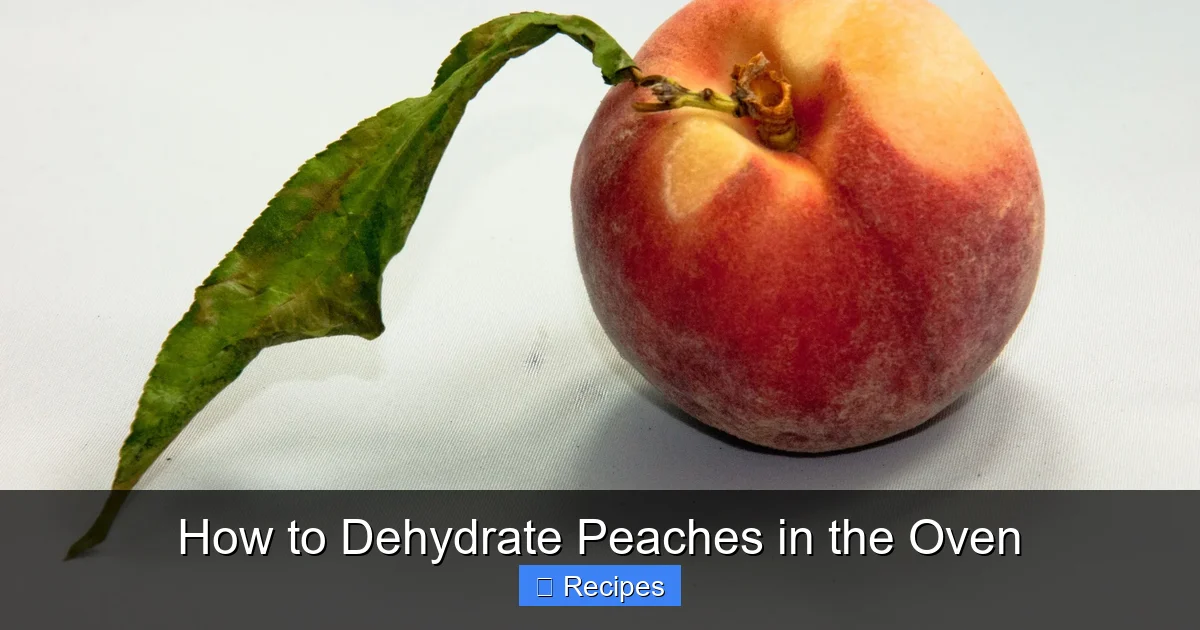
The quality of your dried fruit starts with the fresh fruit. Look for peaches that are fully colored, fragrant, and give a slight give when gently pressed. Over‑ripe peaches become mushy and can turn gummy when dried.
Visual guide about peach dehydration oven photography
Image source: publicdomainpictures.net

Visual guide about peach dehydration oven photography
Image source: publicdomainpictures.net
If you’re buying from a farmer’s market, ask the vendor which varieties are best for drying. Freestone peaches (the pit comes out easily) are a favorite because they’re easier to slice and have a slightly lower moisture content.
Preparing the Peaches
Wash and Pit
Rinse the peaches under cool water and pat dry. Cut each peach in half, remove the pit, and slice the flesh into uniform pieces. Aim for ¼‑½ inch thickness; thinner slices dry faster but can become brittle, while thicker slices stay chewier.

Visual guide about peach dehydration oven photography
Image source: publicdomainpictures.net
Prevent Browning
Peaches oxidize quickly, turning grayish‑brown. To keep them bright, prepare a dip of 1 cup water mixed with lemon juice. Submerge the slices for 30 seconds, then lay them on a clean towel to drain. The acid slows enzymatic browning without adding noticeable flavor.
Season (Optional)
If you want a flavor boost, sprinkle a pinch of sea salt, cinnamon, or a light drizzle of honey over the slices before they go into the oven. This is also a good moment to experiment with spices like nutmeg or ginger for a holiday twist.
Setting Up the Oven
Temperature Control
Most home ovens don’t have a “dehydrate” setting, but you can mimic it by setting the temperature low—between 135°F and 150°F (57‑65°C). If your oven’s lowest setting is higher, use the “warm” or “keep warm” function and prop the door open a crack with a wooden spoon to let excess heat escape.
For precise control, a kitchen thermometer placed on the rack is invaluable. Aim for a steady temperature; fluctuations can cause some pieces to cook while others stay moist.
Arrange the Slices
Line the baking sheet with parchment paper or a silicone mat. Lay the peach slices in a single layer, leaving a small gap between each piece for air circulation. Overcrowding traps steam and lengthens drying time.
Ventilation
Give the oven a chance to “breathe.” If you’re using the door‑ajar method, keep it open about ¼‑½ inch. Some bakers place a folded piece of foil on the oven rack to create a tiny vent. This helps moisture escape and speeds up the process.
Drying Process: Time and Tips
First 2 Hours: Watching the Steam
During the initial stage, you’ll see visible steam rising from the tray. That’s the water evaporating. Rotate the baking sheet halfway through to ensure even drying, especially if your oven has hot spots.
Midway Check: Texture Test
After about 4‑5 hours, lift a slice with tongs. It should feel leathery but still pliable. If the center feels sticky, keep drying. If the edges are crisp while the middle is soft, flip the slices to promote uniform moisture loss.
Final Drying: The “Snap” Test
When the peaches are done, they will be flexible enough to bend without breaking, yet they won’t feel wet. A good rule of thumb: let them cool on a rack; they will firm up a bit more as they reach room temperature.
Typical drying times range from 6 hours for thin slices to 12 hours for thicker pieces, depending on humidity and oven accuracy.
Storing Your Dried Peaches
Once completely cooled, store the dried peaches in airtight containers—glass jars, zip‑top bags, or vacuum‑sealed bags work well. Keep them in a cool, dark pantry. For extra protection against moisture, add a food‑grade desiccant packet.
Properly stored, dried peaches retain their flavor for 2‑3 months. If you notice any off‑smell or mold, discard the batch.
Creative Ways to Use Dried Peaches
- Trail mix: Combine with almonds, dried cranberries, and dark chocolate chips.
- Breakfast boost: Sprinkle over oatmeal, yogurt, or smoothie bowls.
- Baking: Fold chopped dried peaches into muffins, scones, or banana bread for bursts of sweetness.
- Rehydration: Soak in warm water or juice for 15 minutes to use in sauces, compotes, or pie fillings.
- Gifts: Pack into small mason jars with a ribbon for a homemade, health‑focused present.
Common Mistakes and How to Fix Them
Over‑drying
If the slices become hard like candy, they’ve been left too long. Unfortunately, they’re not salvageable for snacking, but you can grind them into a natural fruit powder for smoothies.
Under‑drying
Moist pieces can mold during storage. If you discover a soft spot, return the batch to the oven at 135°F for another hour, then re‑check.
Uneven Slices
Inconsistent thickness leads to some pieces being over‑done while others stay wet. A mandoline slicer helps keep every slice the same size.
Oven Door Issues
A leaky door can cause temperature spikes. If you’re unsure, test the seal with a candle flame; the flame should stay steady when the door closes. For more on oven safety, see our guide on how to tell if your oven is gas or electric.
Frequently Asked Questions (FAQs)
Can I use a convection oven?
Yes. Convection ovens circulate air, which can reduce drying time by 20‑30 %. Keep the temperature at the lower end of the range (around 135°F) and check frequently.
Do I need to peel the peaches?
Peeling is optional. The skin adds fiber and a slight chew. If you prefer a smoother texture, blanch the peaches in boiling water for 30 seconds, then shock in ice water—this makes the skins easy to slip off.
How do I know when the peaches are fully dried?
They should be pliable, not sticky, and should not feel moist to the touch. After cooling, they will feel slightly firmer. Perform the “snap” test: a small piece should break with a gentle bend.
Can I add sweeteners before drying?
Yes. Lightly brush slices with honey, maple syrup, or a sugar‑water solution before placing them in the oven. The natural sugars will caramelize slightly, giving a richer flavor.
Is it safe to store dried peaches at room temperature?
Absolutely, as long as they are completely dry and kept in an airtight container away from direct sunlight. For extra safety, a desiccant packet can extend shelf life.
What’s the difference between dehydrating and oven‑roasting?
Dehydrating uses low heat for a long time to remove moisture without cooking the fruit’s sugars. Roasting uses higher heat, which caramelizes sugars and changes the flavor profile.
Conclusion
Dehydrating peaches in the oven is a straightforward way to preserve summer’s sweetest bounty. With just a few tools, a bit of patience, and careful temperature control, you can create chewy, nutritious snacks that last for months. Whether you toss them into a trail mix, sprinkle them over breakfast, or gift them in a jar, homemade dried peaches taste far better than store‑bought versions loaded with additives.
Give it a try on your next peach‑laden weekend. You’ll be surprised at how easy it is, and you’ll have a stash of natural, shelf‑stable fruit ready for any craving.
Frequently Asked Questions
Can I use a convection oven?
Yes. Convection ovens circulate air, which can reduce drying time by 20‑30 %. Keep the temperature at the lower end of the range (around 135°F) and check frequently.
Do I need to peel the peaches?
Peeling is optional. The skin adds fiber and a slight chew. If you prefer a smoother texture, blanch the peaches in boiling water for 30 seconds, then shock in ice water—this makes the skins easy to slip off.
How do I know when the peaches are fully dried?
They should be pliable, not sticky, and should not feel moist to the touch. After cooling, they will feel slightly firmer. Perform the “snap” test: a small piece should break with a gentle bend.
Can I add sweeteners before drying?
Yes. Lightly brush slices with honey, maple syrup, or a sugar‑water solution before placing them in the oven. The natural sugars will caramelize slightly, giving a richer flavor.
Is it safe to store dried peaches at room temperature?
Absolutely, as long as they are completely dry and kept in an airtight container away from direct sunlight. For extra safety, a desiccant packet can extend shelf life.
What’s the difference between dehydrating and oven‑roasting?
Dehydrating uses low heat for a long time to remove moisture without cooking the fruit’s sugars. Roasting uses higher heat, which caramelizes sugars and changes the flavor profile.