An air fryer typically uses less power than a full-sized oven because it heats a smaller space and cooks food faster. If you want to lower your electricity bill, switching to an air fryer for everyday meals makes sense. However, a traditional oven still wins for large batches and certain recipes. Understanding your cooking habits helps you pick the right tool for every job.
Key Takeaways
- Power draw: Air fryers use 1,000 to 1,800 watts, while standard ovens use 2,000 to 5,000 watts.
- Cooking time: Air fryers cook faster, which reduces total energy use per meal.
- Batch size: Ovens handle larger portions better, so they save power when cooking for families.
- Preheating: Air fryers need little to no preheat, while ovens often waste energy warming up.
- Heat loss: Ovens lose more heat when opened, making them less efficient for small meals.
- Cost per use: Air fryers usually cost less to run for single servings or quick snacks.
- Best choice: Match the appliance to your portion size and cooking style for maximum savings.
📑 Table of Contents
- Why People Ask What Uses More Power Oven or Air Fryer
- How Air Fryers Use Electricity
- How Regular Ovens Use Electricity
- Direct Comparison of Power Draw and Cooking Time
- Real Cost Examples for Common Meals
- Tips to Lower Power Use With Either Appliance
- When the Oven Actually Saves More Power
- Common Mistakes That Waste Energy
- Final Thoughts on What Uses More Power Oven or Air Fryer
Why People Ask What Uses More Power Oven or Air Fryer
Cooking at home costs money. Every time you turn on an appliance, you pull power from the grid. Many home cooks want to cut costs without giving up tasty meals. That is why the question what uses more power oven or air fryer keeps coming up. People want clear answers before they buy new gear or change their daily habits.
The truth is simple. Both appliances use electricity, but they do it in different ways. An air fryer moves hot air fast around a small basket. A regular oven heats a large metal box and holds that heat for longer. These design differences change how much energy each one needs. In this guide, we will break down the numbers, the cooking habits, and the real cost of each option.
How Air Fryers Use Electricity
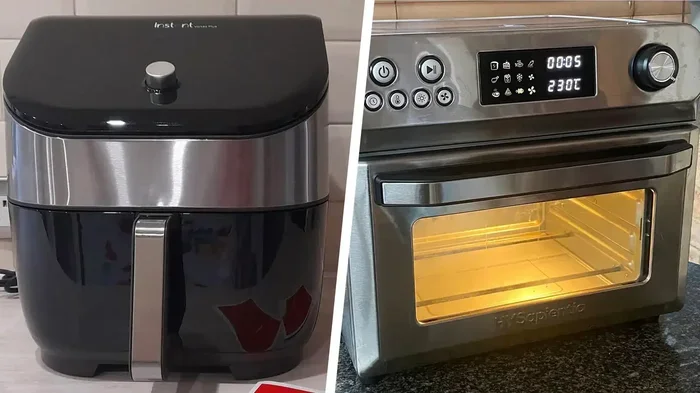
An air fryer works like a tiny convection oven with a strong fan. The fan pushes hot air around the food at high speed. This fast airflow cooks food quickly and creates a crisp texture. Because the cooking chamber is small, the appliance heats up fast. You do not need to wait long before you start cooking.
Visual guide about oven vs air fryer comparison
Image source: sizzleandsear.com
Most air fryers draw between 1,000 and 1,800 watts while running. Smaller models use less power. Larger models with more space may use a bit more. The key point is that the power draw stays steady during the cook time. You can estimate your energy use by multiplying watts by hours. For example, a 1,500 watt air fryer running for 30 minutes uses about 0.75 kilowatt hours.
Many people also like that air fryers need little preheating. Some recipes skip preheating entirely. That saves extra power right at the start. If you cook small portions, snacks, or quick weeknight meals, this fast setup makes a real difference. You spend less time waiting and less energy warming empty space.
What Affects Air Fryer Power Use
Several factors change how much electricity your air fryer pulls. The basket size matters. A full basket cooks more food at once, which spreads the energy cost across more servings. Cooking time matters too. Longer runs use more power, so cutting time with crisp settings helps. Temperature settings also play a role. Higher heat uses more energy per minute, but it may finish the job faster.
Door openings do not matter much with an air fryer because you usually check food through a window or pull the basket out briefly. Still, every time you open the basket, some heat escapes. The fan works harder to bring the temperature back up. Keeping the lid closed as much as possible keeps the cycle efficient.
How Regular Ovens Use Electricity
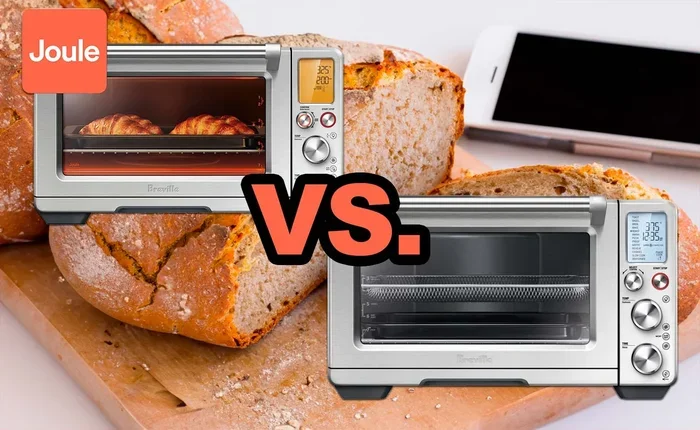
A standard oven heats a much larger space. It uses heating elements at the top and sometimes at the bottom. The walls hold heat, and the door keeps most of it inside. This design works well for big meals, baked goods, and dishes that need steady heat over a long time. The tradeoff is that the oven draws more power to reach and maintain temperature.
Visual guide about oven vs air fryer comparison
Image source: i.ytimg.com
Most full-size ovens use between 2,000 and 5,000 watts. Electric models often sit near the higher end. Gas ovens use fuel instead of electricity for heat, but many homes still count them in overall energy costs. For this guide, we focus on electric ovens since the question what uses more power oven or air fryer usually compares electric appliances.
Preheating is a big part of oven energy use. Many recipes ask you to preheat for 10 to 15 minutes. During that time, the oven runs at full power to climb to the target temperature. If you only cook a small item, that warm-up time can feel wasteful. On the other hand, if you bake a large casserole or roast a big cut of meat, the long cook time makes the warm-up less important.
What Affects Oven Power Use
Insulation quality changes how well an oven holds heat. Better insulation means the heating elements cycle less often. Door seals also matter. A worn seal lets heat leak out, which forces the oven to work harder. Opening the door during cooking drops the temperature fast. Each peek adds time and energy to the job.
Batch size is another major factor. An oven shines when you fill the racks. Cooking one small tray of cookies in a big oven wastes space. Cooking several trays at once spreads the energy cost across more food. That is why ovens can still be efficient for family meals and holiday cooking.
Direct Comparison of Power Draw and Cooking Time
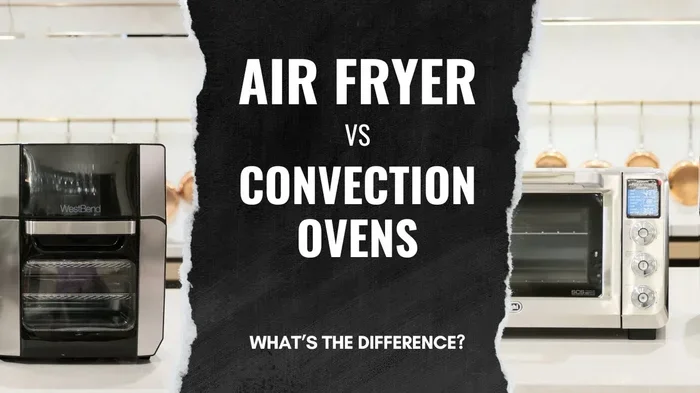
When you compare the two side by side, the numbers tell a clear story. Air fryers usually draw fewer watts, and they cook faster. Ovens draw more watts, but they handle larger loads. The best choice depends on what you cook and how much you cook at once. The table below shows a simple comparison.
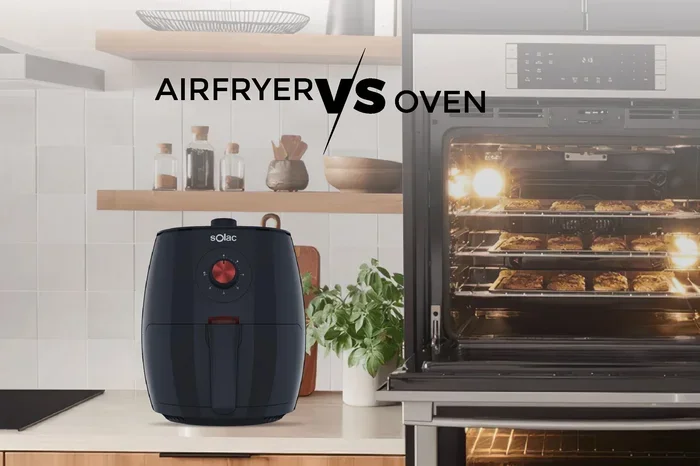
Visual guide about oven vs air fryer comparison
Image source: behacolb.com
| Feature | Air Fryer | Regular Oven |
|---|---|---|
| Typical wattage | 1,000 to 1,800 W | 2,000 to 5,000 W |
| Preheat time | Little or none | 10 to 15 minutes |
| Cook speed | Fast for small portions | Slower, better for large batches |
| Best portion size | 1 to 4 servings | 4 to 12+ servings |
| Heat loss when opened | Low to moderate | High |
| Energy cost for small meals | Lower | Higher |
| Energy cost for large meals | Higher or limited | Lower per serving |
This comparison shows why the answer changes based on the task. If you reheat leftovers or crisp up a few chicken tenders, the air fryer usually wins. It uses fewer watts and finishes the job in less time. If you roast a whole chicken or bake a big lasagna, the oven often makes more sense. It holds more food and keeps a steady temperature for long cooks.
Real Cost Examples for Common Meals
Numbers help, but real meals make the picture clearer. Let us look at a few everyday examples. These are rough estimates, not exact bills. Your local electricity rate and your appliance model will change the final cost. Still, the pattern stays the same.
Reheating Pizza or Fries
A quick reheat takes about 5 to 10 minutes in an air fryer. A 1,500 watt unit running for 10 minutes uses about 0.25 kilowatt hours. In a big oven, you might preheat for 12 minutes and then cook for 10 minutes. That can push the total energy use higher, even if the oven cycles down during the cook. For small reheating jobs, the air fryer usually costs less.
Cooking Chicken Pieces
A batch of chicken pieces cooks well in an air fryer in roughly 20 to 25 minutes. The fast air circulation gives a crisp outside without much oil. In an oven, the same batch may take 30 to 40 minutes, plus preheat time. If you cook for two or three people, the air fryer often uses less total energy. If you cook for a crowd, the oven may handle more pieces at once and save energy per serving.
Baking Cookies or Small Cakes
Small baking jobs fit nicely in an air fryer oven or a compact countertop model. You can bake a few cookies or a small cake without warming a full-size oven. That saves power when you only need a little treat. For larger baking projects, a regular oven gives more space and more even results across multiple racks.
Tips to Lower Power Use With Either Appliance
You can save energy with both tools if you use them wisely. Small habits add up over time. Here are some easy ways to cut waste.
- Match the tool to the portion. Use the air fryer for small meals and the oven for big batches.
- Skip unnecessary preheating. Many air fryer recipes do not need it. Ovens sometimes do, so check the recipe.
- Keep doors closed. Every open door drops temperature and adds cook time.
- Use lids and foil wisely. Covering certain dishes can speed cooking and reduce energy use.
- Clean regularly. A clean appliance moves air better and heats more evenly.
- Group tasks. Bake several items at once in the oven to fill the space.
- Check seals and vents. Good seals and clear vents help the appliance run efficiently.
Quick Tip: Plan Your Cooking Window
One simple habit saves power and time. Plan your meals so you can cook several items together. If you use the oven, fill the racks with side dishes, desserts, or prep for tomorrow. If you use the air fryer, cook the main item and then a quick snack while the unit is already hot. This approach reduces idle time and makes each cooking session count.
When the Oven Actually Saves More Power
People often assume the air fryer always wins. That is not true for every situation. A full-size oven can be the better choice when you cook large amounts of food. The total energy may be higher, but the energy per serving can be lower. That matters when you feed a family or prep meals for the week.
Ovens also work better for dishes that need steady, gentle heat. Breads, custards, and large roasts often do better with the even environment of a bigger oven. The air fryer is great for crisp foods, but it is not the best fit for everything. Choosing the right appliance for the recipe keeps you from wasting energy on poor results.
Expert Insight: Think in Terms of Energy Per Serving
Instead of asking only what uses more power oven or air fryer, ask which one uses less power per serving for your meal. That shift in thinking helps you make smarter choices. A small air fryer batch may use less total energy, but a full oven tray may use less energy per piece. Look at the whole picture, not just the wattage number.
Common Mistakes That Waste Energy
Many home cooks lose energy without noticing it. Small errors can make either appliance less efficient. Avoid these common traps to keep your bills in check.
- Preheating for too long. If the recipe does not need it, do not wait.
- Cooking tiny portions in a big oven. That wastes heated space.
- Opening the door too often. Each peek lets heat escape.
- Overcrowding the basket. Air needs room to move for crisp results.
- Using the wrong temperature. Too high can burn food and waste time.
- Ignoring maintenance. Grease and dust can reduce performance.
Final Thoughts on What Uses More Power Oven or Air Fryer
The short answer is that an air fryer usually uses less power for small, quick meals. It heats a smaller space, cooks faster, and often skips preheating. A regular oven draws more power, but it handles larger batches better and can be more efficient per serving when you fill it well. The best choice depends on your portion size, your recipe, and your cooking habits.
If you want to cut daily energy use, keep the air fryer for snacks, sides, and quick weeknight meals. Use the oven for big family dinners, holiday cooking, and baking projects that need more space. Smart planning matters just as much as the appliance itself. When you match the tool to the job, you save power, time, and money without giving up good food.
Frequently Asked Questions
Does an air fryer use less electricity than an oven?
Yes, in most small meal situations, an air fryer uses less electricity because it draws fewer watts and cooks faster. A regular oven usually pulls more power, especially during preheating. For larger batches, the oven can be more efficient per serving.
How many watts does an air fryer use compared to an oven?
Most air fryers use about 1,000 to 1,800 watts, while electric ovens often use 2,000 to 5,000 watts. The exact numbers depend on the model and size. Smaller appliances generally use less power during cooking.
Is it cheaper to cook in an air fryer or a regular oven?
It is usually cheaper to cook small portions in an air fryer because the cook time is shorter and preheating is minimal. For large meals, a regular oven can cost less per serving because it holds more food at once. Your local energy rate also affects the final cost.
Do air fryers save energy on preheating?
Yes, many air fryer recipes need little or no preheating, which saves energy at the start of cooking. Regular ovens often need a longer warm-up period. Skipping preheat when possible is a simple way to reduce power use.
Which appliance is better for large families?
A regular oven is usually better for large families because it can cook more food at one time. That spreads the energy cost across more servings. An air fryer works best for smaller portions or quick meals.
Can I reduce oven power use without buying a new appliance?
Yes, you can lower oven energy use by cooking larger batches, keeping the door closed, and avoiding long preheats when not needed. Good maintenance also helps the oven hold heat better. These habits make the appliance work more efficiently.