Your toaster keeps tripping the circuit breaker? You’re not alone—this frustrating issue usually stems from simple problems like overloading the appliance, worn-out heating elements, or electrical faults. In this guide, we’ll walk you through the most common reasons why a toaster trips electricity, how to diagnose them safely, and what steps you can take to prevent it from happening again. Whether it’s a loose connection, moisture buildup, or just an old appliance nearing the end of its life, understanding these causes helps protect your home and ensures your morning toast stays consistent.
Have you ever reached for your favorite toaster in the morning, slid in two slices of bread, pressed down the lever—only to hear a sudden *pop* and the lights flicker? Then, silence. The toaster won’t turn back on, and you realize the circuit breaker has tripped. Frustrating, right? You weren’t doing anything unusual—just making breakfast. So why does this happen?
The truth is, while toasters are designed to be simple and reliable kitchen staples, they’re not immune to electrical hiccups. When a toaster trips the electric breaker, it’s actually a safety mechanism kicking in—your home’s protection system shutting off power to prevent fire or damage. But knowing why this happens is the first step toward fixing it and avoiding repeat incidents.
In this article, we’ll dive deep into every possible reason your toaster keeps tripping electricity. From basic usage habits to hidden internal faults, you’ll learn how to spot the signs early, perform safe diagnostics, and decide whether to repair or replace your appliance. We’ll also cover when professional help is needed and how to prevent future trips so your mornings stay smooth.
Key Takeaways
- Overloading is a top cause: Plugging multiple high-wattage devices into the same outlet or using a damaged power strip can exceed circuit capacity, causing the breaker to trip.
- Faulty internal wiring or components: A cracked heating element, frayed wires, or failing thermostat inside the toaster can create short circuits that disrupt normal operation.
- Moisture or debris buildup: Crumbs, spills, or humidity can lead to electrical arcing or ground faults, especially if insulation is compromised.
- Aging or defective appliances: Older toasters may have degraded insulation, corroded contacts, or worn-out parts that increase the risk of electrical failure.
- Circuit issues beyond the toaster: Problems with your home’s wiring, outdated breakers, or shared circuits (e.g., kitchen outlets on one breaker) might be the real culprit.
- Safety first during troubleshooting: Always unplug the appliance before inspecting it and never attempt repairs without proper knowledge or tools.
📑 Table of Contents
Understanding Electrical Basics: How Breakers Trip
Before blaming your toaster, let’s clarify how circuit breakers work. Every home has electrical circuits—wires that carry power from the breaker panel to outlets and appliances. Each circuit has a rated amperage (usually 15 or 20 amps), which determines how much current it can safely handle.
When too much current flows through a circuit—due to multiple high-power devices running at once or a fault within one device—the breaker detects this surge and instantly cuts power to prevent overheating and potential fires. This is exactly what happens when your toaster trips the breaker.
Most standard toasters use about 800–1400 watts (depending on size and model). On a 120V household line, that’s roughly 6.7 to 11.7 amps. If your kitchen circuit is already near its limit—say, with a microwave, coffee maker, and blender all plugged in—adding the toaster could push it over the edge. That’s one common but often overlooked cause.
Another scenario: a short circuit inside the toaster itself. Unlike a simple overload, a short involves a direct path between hot and neutral wires (or ground), creating massive current flow that trips the breaker immediately. This is dangerous and requires attention.
So yes—tripping isn’t always bad news. It’s your home saying, “Hey, something’s wrong.” The key is figuring out what.
Common Reasons Why Your Toaster Keeps Tripping Electricity
Visual guide about Why Is Toaster Tripping Electric
Image source: 5.imimg.com
Let’s break down the most frequent culprits behind this annoying problem. Most fall into four categories: user behavior, internal faults, environmental factors, and external electrical issues.
1. Overloaded Circuits or Power Strips
One of the easiest mistakes to make is assuming every outlet can handle any number of devices. In reality, many kitchens share outlets on the same circuit—especially those behind countertop cabinets. If you’ve got a toaster, toaster oven, air fryer, and slow cooker plugged into a single power strip, you’re asking for trouble.
For example, imagine your kitchen circuit is rated at 20 amps. A typical space heater uses 1500 watts (12.5 amps), a microwave around 1000 watts (8.3 amps), and a coffee grinder about 300 watts (2.5 amps). Add those up, and you’re already at 23.3 amps—well over the limit. Now plug in your 1200-watt toaster… boom! Breaker trips.
Even if individual devices seem fine, cumulative draw causes strain. Also avoid daisy-chaining extension cords or power strips; they reduce safety margins and increase heat buildup.
2. Faulty Wiring or Internal Components
Inside your toaster, several components manage electricity flow: heating elements, thermostats, bimetallic strips, and wiring. Over time, these parts degrade. A cracked ceramic insulator around the heating coil might expose live wires. A loose screw terminal could arc electricity. Or the thermostat—which controls heat—might fail, causing constant high output that stresses the circuit.
Signs of internal issues include:
– Visible burn marks inside the slot
– Discolored or melted plastic near terminals
– Persistent buzzing or crackling sound
– Toaster working intermittently before tripping
If you notice any of these, stop using the toaster immediately. Continuing to operate a damaged unit risks fire or electrocution.
3. Moisture or Food Debris Accumulation
Kitchen appliances attract crumbs—especially toasters, since they sit near counters and get splashed during cooking. But those tiny bits of bread aren’t just messy; they’re conductive when wet. If crumbs mix with grease or liquid spills, they can create a partial short circuit between metal contacts inside the toaster.
Humidity also plays a role. Bathrooms and kitchens share ventilation systems, so moisture travels easily. If your toaster sits near a sink or humidifier, condensation inside the housing increases the chance of ground faults.
Regular cleaning (every few weeks) removes this risk. Never use water or harsh chemicals—just a soft brush or compressed air to clear out crumbs.
4. Outdated Breaker Panel or Shared Circuits
Older homes often have 15-amp circuits throughout, including in the kitchen. While adequate for basic lighting and outlets, they struggle with modern appliances like toasters, microwaves, and blenders. If your breaker panel hasn’t been updated since the 1980s, it may lack proper grounding or AFCI/GFCI protection—features that detect abnormal currents.
Additionally, some kitchen outlet groups are hardwired to the same breaker. For instance, three outlets might all feed from one 20-amp circuit. Running high-load devices across all three simultaneously raises the chance of tripping.
Upgrading your panel or installing dedicated circuits improves safety and performance. Consult a licensed electrician if you suspect outdated infrastructure.
Safety First: Diagnosing the Problem Yourself

Visual guide about Why Is Toaster Tripping Electric
Image source: tiimg.tistatic.com
Before reaching for a screwdriver, remember: electricity is serious business. If you’re uncomfortable with any step, call a pro. But if you want to investigate safely, here’s how:
Step 1: Unplug the Toaster
Never touch internal parts while it’s plugged in. Even after turning it off, residual charge can exist. Pull the plug completely.
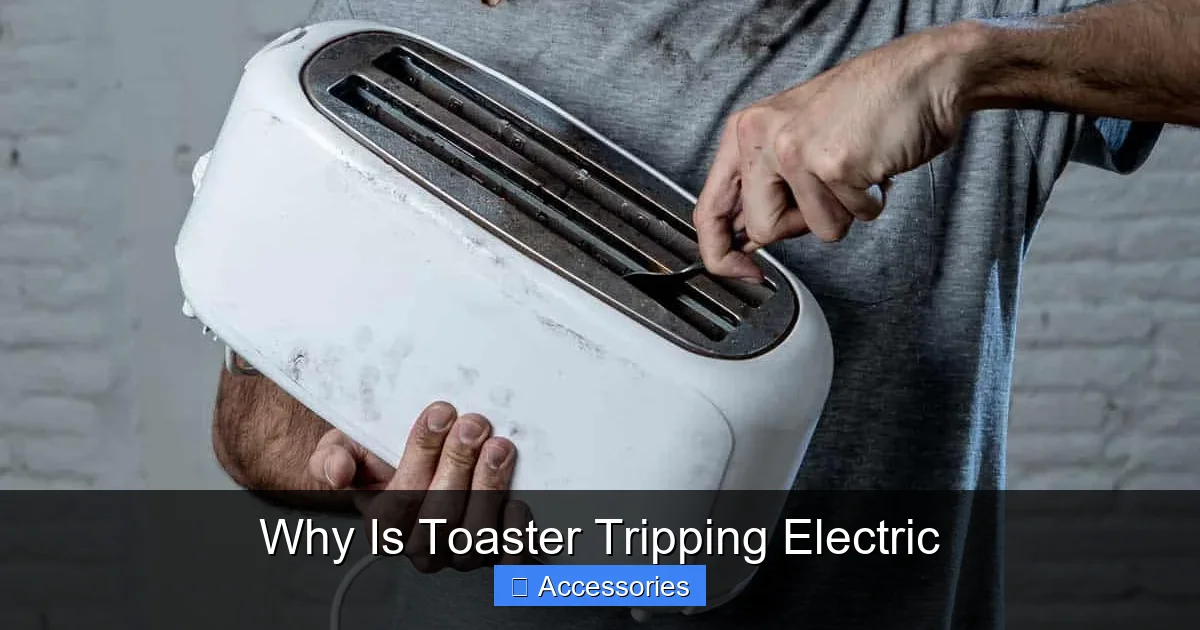
Step 2: Inspect for Obvious Damage
Open the crumb tray (if removable). Look for:
– Blackened or charred areas
– Loose screws or broken plastic
– Burned smell (indicates overheating)
– Corrosion or rust near metal contacts
Step 3: Test Other Appliances on Same Circuit
Plug another device—like a lamp—into the same outlet. Does it work normally? If not, the issue is likely circuit-related, not the toaster. Try moving the toaster to a different outlet on a separate circuit. If it works there, the original outlet group is overloaded or faulty.
Step 4: Reset the Breaker
Turn off all other devices on that circuit. Flip the breaker switch fully off, wait 10 seconds, then turn it back on. Plug in only the toaster. If it works without tripping, gradually add other devices one by one to identify the overload source.
Step 5: Check for Ground Faults
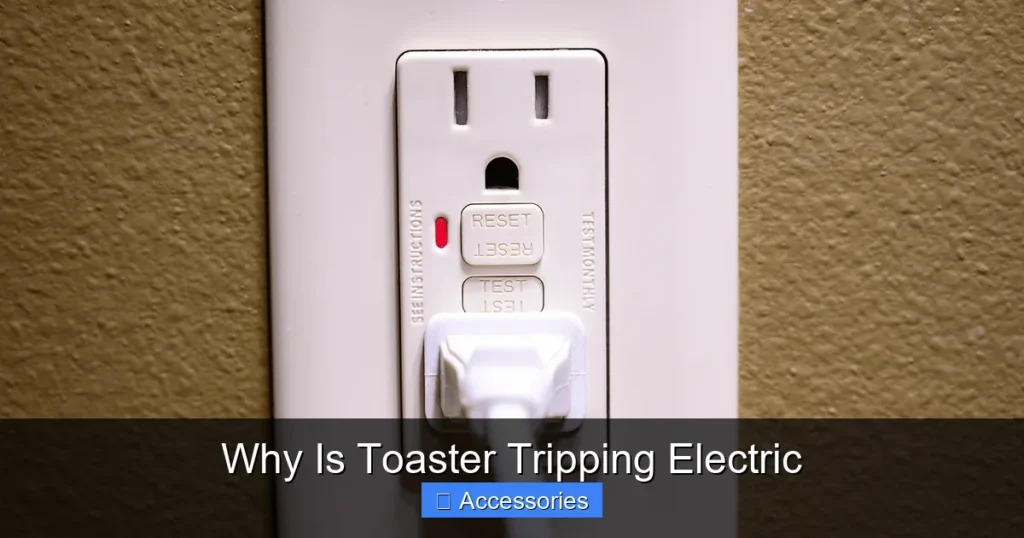
Some modern homes have GFCI outlets. These detect imbalances between hot and neutral wires (as little as 4–6 mA) and trip within milliseconds. If your kitchen outlets are GFCIs, a small leak current from moisture or crumbs could trigger them. Press the “test” button to see if it resets properly.
Remember: if the breaker trips immediately upon plugging in the toaster, unplug it and don’t retry until inspected by a technician.
Prevention Tips to Avoid Future Trips
Visual guide about Why Is Toaster Tripping Electric
Image source: londonstatus.co.uk
Once you’ve resolved the immediate issue, take steps to prevent recurrence:
– **Use dedicated circuits**: If possible, have your electrician install a separate 20-amp circuit just for kitchen appliances. This eliminates shared-load conflicts.
– **Avoid power strips for high-wattage items**: Instead of plugging your toaster into a strip with other gadgets, plug it directly into a wall outlet.
– **Clean regularly**: Wipe down the exterior weekly and remove crumbs monthly. Use a dry cloth or vacuum attachment—never spray liquids.
– **Upgrade older models**: If your toaster is more than 5 years old and frequently malfunctions, consider replacing it with a newer Energy Star-rated model. These often include better thermal cutoffs and safety switches.
– **Install AFCI/GFCI protection**: Arc-fault circuit interrupters prevent fires from damaged wiring; ground-fault interrupters stop shocks. Ask an electrician about retrofitting these in older homes.
Also, be mindful of your total kitchen load. During peak usage times (morning rush hour), limit simultaneous use of high-draw appliances.
When to Call a Professional Electrician
While many toaster issues are fixable at home, some demand expert help:
– The breaker trips repeatedly even with the toaster unplugged
– You smell burning plastic or ozone (like lightning)
– Multiple outlets in your kitchen behave oddly
– Your home lacks GFCI/AFCI protection
– You’re unsure about rewiring or panel upgrades
Electricians can run tests like infrared scans to detect hot spots or measure voltage stability. They’ll also verify if your service panel meets current code requirements (NEC 2023).
Ignoring persistent electrical faults isn’t worth the risk. One spark in a kitchen full of flammables can lead to disaster.
Alternative Solutions: What If I Can’t Fix It?
Sometimes, despite best efforts, the toaster remains unreliable. At that point, options include:
– **Repair**: Some manufacturers offer parts for specific models. Search “[toaster brand] replacement heating element” online. Only attempt this if you’re confident with tools and understand schematics.
– **Replace**: Modern toasters cost $20–$100. Newer models feature auto shut-off, cool-touch exteriors, and consistent browning. Brands like Cuisinart, Breville, and Oster offer durable designs.
– **Temporary workaround**: As discussed in our article How To Toast A Bagel Without A Toaster Easily, ovens, skillets, or even hair dryers (carefully!) can serve as makeshift alternatives—but only for emergencies.
Don’t keep using a faulty appliance hoping it’ll last. Safety always comes first.
Frequently Asked Questions
Can a dirty toaster trip the breaker?
Yes, accumulated crumbs or moisture can create conductive paths between electrical contacts, leading to ground faults or short circuits that trip the breaker. Regular cleaning prevents this.
Does a new toaster ever trip the breaker?
Rarely—unless installed incorrectly, connected to a faulty outlet, or part of an overloaded circuit. Always check your home’s total load before plugging in new appliances.
Should I replace my toaster if it keeps tripping?
If it’s under warranty, contact the manufacturer. Otherwise, if repairs cost more than half the price of a new one, replacement is usually the smarter choice.
Can a toaster cause a fire?
Unlikely if working properly—but damaged wiring, overheating elements, or improper use (like leaving it unattended with metal in it) increase fire risk significantly.
How do I know if my breaker is bad?
Frequent tripping unrelated to appliance use, flickering lights when devices turn on, or a burnt smell from the panel suggests a failing breaker or wiring issue—consult an electrician.
Is it safe to reset a tripped breaker multiple times?
No. Repeated trips indicate an underlying problem. Continue using the device only after diagnosing and fixing the root cause to avoid overheating or fire hazards.