
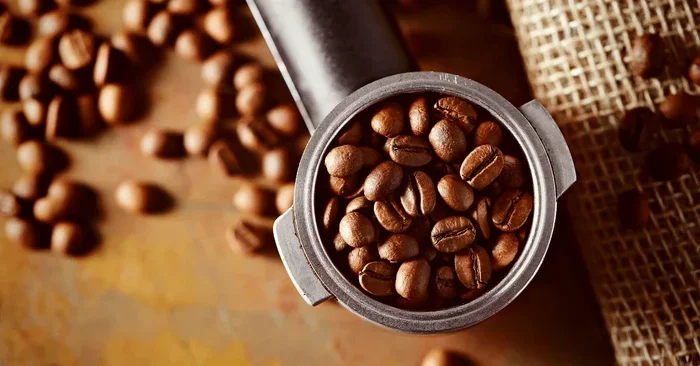
Does coffee increase heart rate? For many people, the answer is yes, at least for a short time. Caffeine in your morning cup can make your heart beat a bit faster. This happens because caffeine blocks certain signals in your body. Most healthy adults handle this well. If you feel jittery or notice a racing pulse, you may want to cut back or switch to decaf. This guide explains what happens inside your body and how to drink smart.
Many people start their day with a warm mug. The smell alone can wake up the brain. But some folks feel a quick thump in their chest soon after the first sip. This leads to a common question: does coffee increase heart rate? The short answer is yes, for many people, at least for a little while. Caffeine is the main reason. It is a natural stimulant found in coffee beans. When you drink it, your body reacts in a few clear ways. Your nervous system gets a gentle nudge. Your blood vessels may tighten a bit. Your heart may beat a touch faster. For most healthy adults, this change is small and short-lived. It is usually not a problem. Still, the effect can feel stronger for some people. If you are sensitive, pregnant, or have a heart condition, you may notice it more. The good news is that you can learn how your body responds. You can also adjust your habits to feel your best. In this guide, we will walk through what happens after you drink coffee. We will look at why the pulse changes, who should pay extra attention, and simple ways to enjoy coffee without feeling wired.
It helps to know that coffee is not just caffeine. A cup also contains antioxidants and other plant compounds. These can support health in different ways. But when people ask “does coffee increase heart rate,” they are usually thinking about caffeine. That makes sense. Caffeine is the part that wakes you up. It also gives some people the shakes or a racing heart. The amount matters a lot. A small cup has less impact than a large one. The same goes for strong espresso versus a mild drip brew. Your own tolerance plays a big role too. If you drink coffee every day, your body may get used to it. Then the pulse effect can be milder. If you only drink it once in a while, you may feel it more. Food also changes things. Drinking on an empty stomach can make the effect hit faster. Drinking with breakfast can soften the blow. Stress, sleep, and hydration matter as well. A tired body may react more strongly. A well-rested body may handle caffeine with ease.
Before we dive deeper, it is worth noting that coffee affects people in different ways. Some feel calm and focused. Others feel alert but a bit jittery. A few notice a faster heartbeat that fades after an hour. If you want to read more about how coffee interacts with hormones, you can check our piece on does coffee increase estrogen. If you are curious about other coffee myths, our article on does burning coffee keep mosquitoes away is an interesting read. And if skin hydration is on your mind, see does coffee dehydrate your skin. These links show how coffee touches many parts of daily life. For now, let’s focus on the heart and the pulse.
Key Takeaways
- Caffeine raises pulse temporarily: Most people see a small bump in heart rate within an hour of drinking coffee.
- Tolerance matters: Regular drinkers often feel less effect over time as their bodies adapt.
- Dose counts: A single cup is usually fine, but large amounts can cause a faster beat.
- Sensitive groups should be cautious: People with heart conditions, anxiety, or low tolerance may react more strongly.
- Timing and food help: Drinking with meals and avoiding late-day coffee can reduce sharp spikes.
- Decaf is a calm option: Decaf gives flavor with very little caffeine, so it rarely affects pulse.
- Watch your body: If you feel dizzy, shaky, or notice an irregular beat, slow down and talk to a doctor.
📑 Table of Contents
How Caffeine Affects Heart Rate
Caffeine works by blocking a chemical in the brain called adenosine. Adenosine helps you feel tired. When caffeine blocks it, you feel more awake. At the same time, caffeine can prompt your body to release adrenaline. Adrenaline is the “action” hormone. It prepares your body to move and react. This is one reason your pulse may rise after a cup. Your heart may beat a little faster. Your blood pressure may also rise for a short time. For most people, the change is mild. The heart rate may go up by a few beats per minute. The effect often peaks within an hour. Then it slowly fades as your body breaks down the caffeine. The length of time depends on your metabolism, age, and how much you drank. If you want to understand the bean itself, see how is coffee beans made. It gives a simple look at the journey from fruit to cup.
Why the Heart Beats Faster
Your heart has a natural pacemaker. It sets the rhythm of each beat. Caffeine can nudge that rhythm upward. Think of it like turning up the volume a little. The signal to beat comes more often. This does not mean something is wrong. It just means the stimulant is doing its job. In small amounts, this boost can help you feel alert and ready. In larger amounts, it can feel like fluttering or racing. The key is the dose. A normal cup usually stays in a safe range for healthy adults. Very strong drinks or several cups in a row can push the effect higher. If you use a machine that makes strong coffee, you may want to check best coffee maker with auto shut off to avoid overheating or over-brewing. A steady brew often tastes better and keeps caffeine more predictable.
How Long the Effect Lasts
Caffeine does not stay in your body forever. Your liver breaks it down over time. For many adults, the half-life is around three to five hours. That means half of the caffeine is gone in that window. The rest fades more slowly. This is why a late afternoon cup can still affect sleep at night. It is also why the heart rate effect can linger for a while. If you are sensitive, you may feel it for several hours. If you have a faster metabolism, you may clear it sooner. Hydration and food can also change the timeline. A full stomach can slow absorption. Water helps your body handle fluids and waste. If you want to explore how coffee relates to skin hydration, read does coffee dehydrate your skin. It explains water balance in simple terms.
How Much Coffee Is Too Much
This is one of the most common questions. The answer depends on the person. For many healthy adults, a moderate amount is fine. That often means up to a few cups a day. But “a cup” can mean different things. A small home brew is not the same as a large café drink. Some drinks have much more caffeine than others. Espresso is strong, but the serving is small. Drip coffee may have less caffeine per ounce, but people often drink more of it. If you measure your grounds, you can keep things steady. Our guide on how to measure coffee in a coffee maker can help you keep each cup consistent. Consistency makes it easier to know how your body responds.
Visual guide about coffee cup and heart rate monitor
Image source: c8.alamy.com
Signs You May Have Had Too Much
Your body often gives clear signals. You may feel restless or shaky. Your heart may feel like it is pounding. You might notice more trips to the bathroom. Some people get a headache or an upset stomach. Sleep can also suffer if the dose is high or timed late. If these signs show up, it may be time to cut back. Try a smaller cup. Try drinking with food. Try switching to half-caf or decaf. If the fast heartbeat feels strong or strange, pause and rest. Drink water. Breathe slowly. If it does not settle, seek medical advice.
Daily Limits and Smart Dosing
A simple plan helps a lot. Start with one cup in the morning. See how you feel. If you want a second cup, wait a few hours. Avoid stacking several strong drinks in a short time. If you exercise, note that caffeine can affect workout intensity. Some people like that boost. Others find it makes the heart work too hard during training. If you want a coffee corner at home, you might enjoy a setup with a small fridge for milk and snacks. See best coffee bar table with mini fridge for ideas. A tidy station makes it easier to build a calm routine.
Who Should Be More Careful
Most healthy adults can handle moderate caffeine without trouble. But some groups should be more careful. People with heart conditions may need to watch their intake. Those with high blood pressure may want to keep an eye on the pulse effect. Pregnant people are often advised to limit caffeine. The reason is simple: the body changes during pregnancy, and caffeine crosses the placenta. A smaller amount is usually the safer choice. Teens and children also tend to be more sensitive. Their bodies are smaller, and their tolerance may be lower. If you have anxiety, caffeine can sometimes make nerves feel worse. It can also amplify a fast heartbeat that comes from stress. If any of this sounds like you, talk to a healthcare professional. They can help you find a safe range.
Heart Conditions and Caffeine
If you have a known heart issue, it is wise to ask your doctor about caffeine. Some conditions make the heart more reactive. In those cases, even a small bump in heart rate can feel uncomfortable. The goal is not to fear coffee. The goal is to use it wisely. A mild brew, a smaller cup, or a decaf option may be a better fit. Some people choose a machine that keeps coffee hot without over-brewing. You can browse best coffee maker that keeps coffee hot for options that suit a gentle routine. A steady, mild cup can be easier on a sensitive system.
Pregnancy, Teens, and Sensitive Bodies
During pregnancy, many providers suggest a modest limit. The exact number can vary, so it is best to follow personal medical advice. For teens, a smaller body often means a stronger effect. A single soda or coffee can feel intense. For anyone with a sensitive system, the same rule applies: start low and go slow. Try a half-cup. Note how you feel after thirty minutes. If you feel good, you can have a little more later. If you feel shaky, stop there. Simple tracking helps you learn your own threshold.
Tips to Enjoy Coffee Without a Racing Heart
You do not have to give up coffee to keep your pulse calm. Small changes often make a big difference. Here are some practical ideas that many people find helpful.
Drink With Food
Coffee on an empty stomach can hit fast. A simple breakfast can slow absorption. Try a piece of toast, some oats, or a banana. Food also helps you avoid stomach upset. If you like a creamy cup, you can explore best ground coffee machine with milk frother for easy frothy drinks at home. A smooth drink can feel gentler and more satisfying.
Choose a Smaller Cup
Size matters more than people think. A large mug can double your intake without you noticing. Switch to a smaller vessel. Sip slowly. Enjoy the flavor. A smaller cup often gives the wake-up you want without a big pulse spike. If you like variety, you can look at best cup to drink coffee out of for mugs that fit your routine.
Watch the Clock
Timing changes everything. A morning cup is common for a reason. It fits the body’s natural wake-up. A late evening cup can linger and disturb sleep. Poor sleep can then make your heart feel more reactive the next day. Try to set a cutoff time that works for you. Many people stop caffeine several hours before bed. That simple habit can help both sleep and heart comfort.
Try Decaf or Half-Caf
Decaf is a great option when you want the taste without much caffeine. It usually has only a tiny amount left. That means very little effect on heart rate for most people. Half-caf is another smart choice. You get a bit of boost with less intensity. If you blend your own drinks, a good blender can help with creamy mixes. See best blender for bulletproof coffee for tools that make rich drinks easy.
Stay Hydrated and Rested
Water helps your body manage fluids and waste. A cup of coffee can count toward fluid intake, but plain water still matters. Being well hydrated can make you feel steadier. Good sleep also helps. When you are rested, caffeine often feels smoother. When you are tired, the same cup can feel stronger. Build a routine that supports both rest and hydration. Your heart will likely thank you.
Common Myths About Coffee and the Heart
There is a lot of noise around coffee. Some claims are too strong. Some are too vague. Let’s clear up a few common ideas.
Myth: Coffee always harms the heart. For most healthy adults, moderate coffee is not a heart hazard. In fact, coffee contains antioxidants that may support health. The key is moderation and knowing your own response.
Myth: A fast heartbeat after coffee means damage. Not always. A short-term rise can be a normal response to caffeine. It often fades on its own. If it feels extreme, lasts a long time, or comes with chest pain or dizziness, that is different. Then it is wise to get checked.
Myth: Decaf has no caffeine at all. Decaf usually has a very small amount, not zero. For most people, that tiny amount does not move the heart rate much. But if you are extremely sensitive, even a little may matter.
Myth: Stronger beans always mean a faster heart. Roast level does not tell the whole story. Brew method, serving size, and your own tolerance matter more. A mild roast can still be strong if you brew it bold and drink a lot of it.
If you want to test your own response, keep it simple. Change one thing at a time. Try a smaller cup. Try a half-caf blend. Try drinking with breakfast. Note what feels best. Small experiments are often more useful than big guesses.
Expert Insights and Common Mistakes
Experts often say the same thing: know your body. Caffeine is not one-size-fits-all. A safe amount for one person may feel like too much for another. The best approach is personal and calm. Start low. Track how you feel. Adjust as needed. If you have a medical condition, ask a professional for advice that fits your health history.
Common Mistakes People Make
- Drinking too much too fast. Several strong cups in a short time can stack the effect. Space them out.
- Ignoring sleep. Late caffeine can ruin rest. Poor rest can make the next day feel harder.
- Skipping food. An empty stomach can make caffeine hit harder. A small meal helps.
- Assuming all cups are equal. A home mug and a large café drink are not the same. Check size and strength.
- Forgetting hydration. Water supports your body. Do not replace all fluids with coffee.
- Pushing through discomfort. If you feel shaky or dizzy, slow down. Rest and water are smart moves.
Quick Tips for a Calmer Cup
- Start with a small serving and see how you feel.
- Keep a simple log of what you drink and how your pulse feels.
- Choose a gentle brew method if you are sensitive.
- Pair coffee with a balanced breakfast.
- Set a caffeine cutoff time in the afternoon or evening.
- Switch to decaf on days you want flavor without the buzz.
- If you feel an odd or strong heartbeat, pause and seek advice if needed.
Key Takeaways and Next Steps
Coffee can raise heart rate for a short time, mostly because of caffeine. For many healthy adults, the change is mild and temporary. The dose, timing, food, and personal tolerance all shape the effect. If you are sensitive or have a heart condition, a smaller cup or decaf may be a better fit. Simple habits can help a lot. Drink with food. Keep servings modest. Stop caffeine early enough to protect sleep. Stay hydrated. Listen to your body. If you want to keep your routine steady, measuring your grounds can help. See how many scoops of coffee per cup of water for a simple starting point. A consistent brew makes it easier to learn your own response.
The bottom line is simple. Does coffee increase heart rate? Often, yes, but usually only a little and only for a while. Most people can enjoy coffee and feel fine. The trick is to match the cup to your body. If you do that, coffee can be a pleasant part of your day without making your heart race.
Frequently Asked Questions
Why does my heart beat faster after coffee?
Caffeine blocks tiredness signals and can raise adrenaline. That nudge can make your heart beat a little faster for a short time. The effect usually fades as your body breaks down the caffeine.
How long does a caffeine-related heart rate bump last?
It often peaks within an hour and then slowly fades. For many adults, caffeine lasts several hours, so the pulse effect can linger. Your metabolism, dose, and whether you ate food can change the timing.
Is a faster heartbeat after coffee dangerous?
For most healthy adults, a small rise is normal and temporary. It is more concerning if the beat feels very fast, irregular, or comes with chest pain, dizziness, or shortness of breath. If that happens, rest and get medical advice.
Can decaf coffee still raise heart rate?
Decaf has only a tiny amount of caffeine, so it rarely affects pulse much. Some very sensitive people may still notice a small change. For most people, decaf is a calm choice.
What can I do if coffee makes my heart race?
Try a smaller cup, drink with food, or switch to half-caf or decaf. Avoid late-day caffeine and stay hydrated. If the racing feels strong or strange, stop and talk to a healthcare professional.
Does the brewing method change the heart rate effect?
Yes, because brew method affects strength and serving size. A large mug or a very strong brew can deliver more caffeine than a small, mild cup. Measuring your grounds and keeping servings steady can help you manage the effect.



