Knowing how many teaspoons are in a cup is one of the most essential kitchen skills every home cook needs. The exact answer is 48 teaspoons in one standard US cup, and understanding this simple conversion can save your recipes from turning into kitchen disasters. Whether you are baking cookies or adjusting a sauce, this guide gives you everything you need to measure like a pro.
Ever found yourself mid-recipe and suddenly wondering how many teaspoons are actually hiding inside a single cup? You are not alone. This is one of those kitchen questions that seems simple on the surface but can trip up even experienced cooks. The answer is straightforward: there are 48 teaspoons in one standard US cup. But the story does not end there. Understanding this conversion opens the door to better cooking, more accurate baking, and fewer kitchen disasters.
Measuring ingredients correctly is the foundation of great food. Too much salt, too little flour, or an off ratio of spices can completely change the outcome of a dish. That is why mastering basic volume conversions like the teaspoon-to-cup ratio matters so much. In this guide, we will walk through everything you need to know. We will cover the exact numbers, show you handy charts, share practical tips, and help you avoid the mistakes that throw off your measurements. By the end, you will never have to second-guess yourself again.
Key Takeaways
- 48 teaspoons equal one cup: This is the standard US measurement every home cook should memorize.
- Tablespoons bridge the gap: There are 16 tablespoons in a cup and 3 teaspoons in each tablespoon, making the math simple.
- Measuring tools matter: Using the right spoon set and proper technique ensures accurate results every time.
- Metric conversions are different: A metric cup holds about 47.3 teaspoons, so adjust when following international recipes.
- Common mistakes ruin recipes: Packing too tightly or using the wrong size spoon leads to off flavors and textures.
- Quick mental math works: Remembering that 48 is 16 times 3 makes on-the-fly conversions effortless.
📑 Table of Contents
- Why Knowing Teaspoon-to-Cup Conversions Matters
- The Simple Answer: How Many Teaspoons in a Cup
- Teaspoon to Cup Conversion Chart
- How to Measure Teaspoons Accurately
- Common Kitchen Measurement Mistakes to Avoid
- Quick Conversion Tips for Everyday Cooking
- The Difference Between US and Metric Measurements
- Conclusion
Why Knowing Teaspoon-to-Cup Conversions Matters
Cooking and baking are both sciences in their own way. Baking especially relies on precise ratios. When a recipe calls for a specific number of teaspoons and you only have a cup measuring tool, knowing the conversion becomes critical. Even in savory cooking, getting the seasoning right depends on accurate measuring.
Think about it this way. A recipe might call for 2 teaspoons of vanilla extract. That is a small amount, but it makes a big difference in flavor. Now imagine scaling that recipe up. If you need to triple it, you need 6 teaspoons. And if you are working with a larger batch that calls for a full cup of a dry ingredient, you need to know exactly how many teaspoons that represents.
This knowledge also helps when you are adjusting recipes on the fly. Maybe you only want to make half a batch. Or perhaps a friend gave you a recipe from another country and the measurements do not quite match your tools. Either way, understanding volume conversions gives you confidence and flexibility in the kitchen.
The Role of Accurate Measuring in Cooking
When you measure accurately, you get consistent results. That is the whole goal, right? No one wants a cake that turns out differently every single time. Accurate measuring starts with knowing your units and having the right tools. A set of measuring spoons is your best friend. Most sets include 1/4 teaspoon, 1/2 teaspoon, 1 teaspoon, and 1 tablespoon options.
For liquid ingredients, a liquid measuring cup works best. For dry ingredients, flat-edge dry measuring cups are the way to go. Using the wrong type of tool can lead to over- or under-measuring. And when your measurements are off, your final dish suffers. This is especially true for baking conversions, where chemistry plays a huge role in how things rise, set, and taste.
The Simple Answer: How Many Teaspoons in a Cup
Here is the number you have been waiting for. There are exactly 48 teaspoons in one standard US cup. This is based on the US customary measurement system, which is what most American recipes use. One cup equals 16 tablespoons, and each tablespoon equals 3 teaspoons. So 16 times 3 gives you 48.
It is a clean, easy number once you break it down. And once you remember it, you will find yourself using it all the time in the kitchen. Let us look at the basic math behind this conversion so it sticks.
The Math Behind the Conversion
The conversion chain is simple and logical:
- 1 cup = 16 tablespoons
- 1 tablespoon = 3 teaspoons
- 16 tablespoons times 3 teaspoons = 48 teaspoons
That is all there is to it. Once you know that 1 cup equals 16 tablespoons and 1 tablespoon equals 3 teaspoons, you can convert any amount in your head. Need half a cup? That is 24 teaspoons. A quarter cup? 12 teaspoons. The math stays the same no matter what fraction you are working with.
This same logic applies when you are working with liquid measurements too. A cup of water, a cup of milk, or a cup of oil all contain 48 teaspoons. The volume does not change based on what the ingredient is. What does change is the weight, but that is a conversation for another day.
Teaspoon to Cup Conversion Chart
Having a quick reference chart right in your kitchen is incredibly helpful. Print it out, pin it to your fridge, or save it on your phone. Here is a handy breakdown of common cup amounts and their teaspoon equivalents.
Cup to Teaspoon Conversion Table
- 1/8 cup = 6 teaspoons
- 1/4 cup = 12 teaspoons
- 1/3 cup = 16 teaspoons
- 1/2 cup = 24 teaspoons
- 2/3 cup = 32 teaspoons
- 3/4 cup = 36 teaspoons
- 1 cup = 48 teaspoons
Keep this chart handy whenever you are cooking or baking. It eliminates guesswork and takes the stress out of recipe adjustments. You will start to memorize the most common ones over time, especially the half-cup and quarter-cup marks.
Tablespoon Bridge: A Helpful Shortcut
If you ever forget the 48-teaspoon rule, just think of tablespoons as your bridge. There are 16 tablespoons in a cup. So if a recipe calls for 1/2 cup of an ingredient, you know that is 8 tablespoons. And since each tablespoon is 3 teaspoons, 8 times 3 gives you 24 teaspoons. This shortcut works for any fraction.
This approach is especially useful when you are scaling recipes up or down. Say you want to double a recipe that calls for 1/4 cup. That is 1/2 cup, which is 8 tablespoons, or 24 teaspoons. Once you see the pattern, the conversions become second nature.
How to Measure Teaspoons Accurately
Knowing the numbers is only half the battle. How you actually measure those teaspoons matters just as much. Using proper technique ensures that your recipes turn out exactly as intended every single time.
Use the Right Measuring Spoons
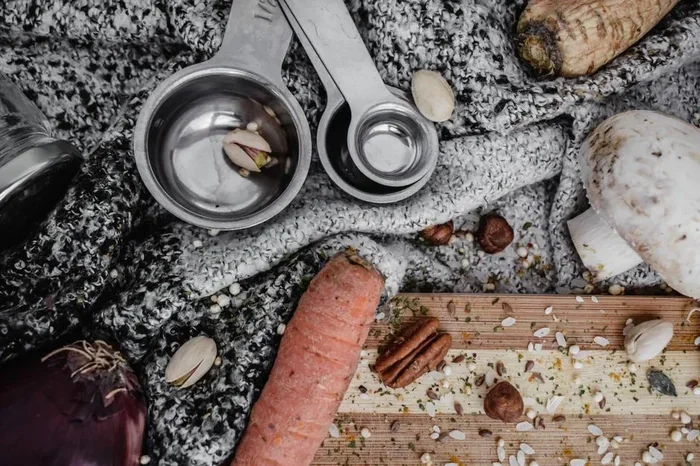
Not all spoons are created equal. A regular dinner spoon holds more than a teaspoon, and a coffee spoon holds less. That is why dedicated measuring spoons exist. They come in standard sizes and are designed to hold exact volumes. Most sets include 1/4 teaspoon, 1/2 teaspoon, 1 teaspoon, and 1 tablespoon sizes.
When measuring, scoop the ingredient into the spoon and level it off with the back of a knife. This is especially important for dry ingredients like flour, sugar, and spices. Packing too much into the spoon leads to using more than the recipe intended.
Level Off for Dry Ingredients
For dry ingredients, the flat-edge method is key. Dip the measuring spoon into the ingredient, then sweep across the top with a straight edge. This removes any excess and gives you an accurate measurement. Never tap the spoon or shake it, as this settles the ingredient and adds extra volume.
This is a common mistake that even experienced cooks make. When you are measuring flour, for example, packing it into the spoon can add up to 30 percent more flour than intended. Over the course of a recipe, that extra flour changes the texture and consistency of whatever you are making.
Measure Liquids Differently
For liquid ingredients, use a liquid measuring cup or a spoon designed for liquids. Hold the spoon at eye level to check the measurement. Liquids form a slight curve at the top called a meniscus. Always measure at the bottom of the curve for the most accurate reading.
Also, pay attention to the size of the liquid measuring tool. Using a tablespoon to measure a small amount of liquid like vanilla extract works fine. But for larger amounts, a liquid measuring cup gives you better accuracy and makes it easier to pour without spilling.
Common Kitchen Measurement Mistakes to Avoid
Even the best cooks make measuring errors from time to time. The good news is that most of these mistakes are easy to avoid once you know what they are. Here are the pitfalls to watch out for.
Using the Wrong Size Spoon
This seems obvious, but it happens all the time. Grabbing a regular kitchen spoon instead of a measuring spoon can throw off your recipe. A standard tablespoon holds about 15 milliliters, while a measuring tablespoon holds exactly 15 milliliters. But a regular spoon can vary quite a bit. Always use proper measuring spoons for accuracy.
Packing Ingredients Too Tightly
Brown sugar is a notorious offender here. Many recipes call for packed brown sugar, which means you should press it into the measuring cup. But for ingredients like flour, powdered sugar, or baking cocoa, packing is a mistake. These ingredients should be lightly spooned in and leveled off.
The difference between packed and unpacked measurements can be significant. In some cases, it can change the texture of baked goods from perfectly moist to dry and dense. Always read the recipe carefully to see whether it calls for packed or leveled measurements.
Confusing Teaspoons with Tablespoons
This is one of the most costly mistakes in the kitchen. A teaspoon and a tablespoon look similar, but a tablespoon holds three times as much. Using a tablespoon when a recipe calls for a teaspoon can make a dish overwhelmingly salty, sweet, or spicy. Always double-check your spoon size before adding an ingredient.
A good habit is to read the recipe twice before measuring. This simple step catches errors before they happen. It takes just a few extra seconds and can save an entire dish from being ruined.
Ignoring Temperature and Humidity
This one surprises people. Humidity affects how ingredients like flour and sugar pack together. On a humid day, flour can clump and hold more moisture, which changes its volume. Storing ingredients properly and measuring in consistent conditions helps maintain accuracy.
For long-term storage, consider using airtight containers. This keeps your ingredients fresh and maintains their volume. If you want to learn more about proper food storage techniques, check out our guide on how to store food in Mylar bags for tips that go beyond the kitchen pantry.
Quick Conversion Tips for Everyday Cooking
Not every conversion requires a chart or a calculator. Sometimes you just need a quick mental math trick. Here are some tips that make everyday measuring faster and easier.
Memorize the Key Numbers
The three numbers to remember are 3, 16, and 48. Three teaspoons in a tablespoon. 16 tablespoons in a cup. 48 teaspoons in a cup. Once these are locked in, you can handle almost any conversion that comes your way.
For example, if a recipe calls for 1/3 cup and you only have a teaspoon measure, you know 1/3 cup is 16 teaspoons. If you need 3/4 cup, that is 36 teaspoons. The math is simple multiplication and division once you have the base numbers down.
Use Your Hand as a Guide
Your hand can be a surprisingly useful measuring tool. A pinch between your thumb and forefinger is roughly 1/8 teaspoon. A small pinch is about 1/4 teaspoon. A heaping tablespoon is roughly 1 tablespoon plus a little extra. These hand measurements are not perfect, but they work well for everyday cooking where precision is less critical.
For more precise work, always reach for your measuring spoons. Reserve hand measurements for rough estimates and seasoning adjustments during cooking.
Scale Recipes with Confidence
When you double or halve a recipe, the teaspoon-to-cup conversions scale right along with it. Double 1 cup? That is 96 teaspoons. Halve 1 cup? That is 24 teaspoons. The math stays consistent no matter what scale factor you use.
This is especially helpful when you are meal prepping or cooking for a crowd. If you know the base conversion, scaling up or down becomes straightforward. You can adjust any recipe to feed more or fewer people without losing accuracy.
Measuring correctly also applies when you are working with appliances that require precise ingredient amounts. For instance, if you are measuring water or other liquids for an Instant Pot recipe, accurate measurements ensure the right pressure and cooking time. The same principle applies across all kitchen tools and appliances.
The Difference Between US and Metric Measurements
If you ever follow a recipe from a cookbook published outside the United States, you may notice different cup sizes. The metric system uses a slightly different cup measurement, which changes the teaspoon count.
A metric cup is 250 milliliters, which equals about 47.3 teaspoons. A US cup is 240 milliliters, which equals exactly 48 teaspoons. The difference is small, but it can matter in precision baking. If you are following a European recipe, keep this difference in mind and adjust your measurements accordingly.
Most digital kitchen scales can switch between metric and imperial units. Using a scale for weighing ingredients is actually more accurate than measuring by volume, especially for dry ingredients like flour and sugar. Weight measurements do not change based on how tightly an ingredient is packed, which eliminates one of the biggest sources of measurement error.
Conclusion
The answer to how many teaspoons are in a cup is 48. This simple fact is the backbone of countless recipes and kitchen conversions. Once you know this number, along with the supporting conversions like 16 tablespoons per cup and 3 teaspoons per tablespoon, you can handle almost any recipe with confidence.
Remember to use the right tools, measure carefully, and avoid the common mistakes that throw off your results. Keep that conversion chart handy, practice the mental math tricks, and soon these numbers will feel like second nature. Accurate measuring is one of the easiest ways to improve your cooking and baking, and it all starts with understanding these basic volume relationships.
Next time you are in the kitchen and need to convert cups to teaspoons, you will know exactly what to do. Grab your measuring spoons, level off that ingredient, and get cooking with confidence. Your taste buds will thank you.
Frequently Asked Questions
How many teaspoons are in a half cup?
A half cup contains 24 teaspoons. Since one full cup equals 48 teaspoons, simply dividing 48 by 2 gives you 24. This works for any liquid or dry ingredient measured by volume.
How many teaspoons are in a quarter cup?
There are 12 teaspoons in a quarter cup. You can calculate this by dividing 48 teaspoons (the number in one full cup) by 4. This is one of the most common conversions you will use in everyday cooking.
Does the type of ingredient change how many teaspoons are in a cup?
No, the volume stays the same. One cup equals 48 teaspoons regardless of whether you are measuring flour, sugar, water, or oil. However, the weight of those teaspoons will vary depending on the density of the ingredient.
How can I measure teaspoons without a measuring spoon?
A standard teaspoon is about 5 milliliters. In a pinch, the tip of your finger from the first knuckle to the tip holds roughly 1 teaspoon. For more accurate measurements, it is always best to use proper measuring spoons or a kitchen scale.
Is a teaspoon the same in all countries?
Most countries define a teaspoon as 5 milliliters, which is the standard used in nutrition labeling. However, older or regional definitions may vary slightly. For cooking purposes, the 5-milliliter teaspoon is the universally accepted standard.
What is the easiest way to remember the teaspoon-to-cup conversion?
Remember three simple facts: 3 teaspoons in a tablespoon, 16 tablespoons in a cup, and 48 teaspoons in a cup. Once you know these, you can calculate any conversion by multiplying or dividing. Write the chart down and keep it on your fridge until it becomes second nature.