
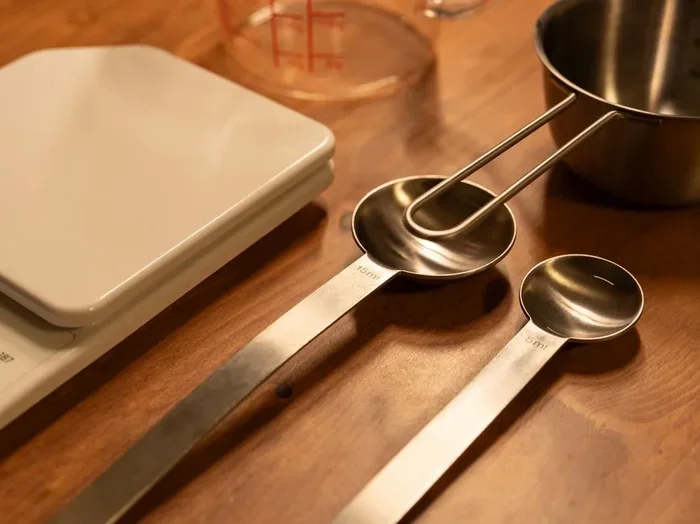
Knowing how many oz in a quarter cup is essential for any home cook or baker. A quarter cup equals 2 fluid ounces or 4 tablespoons. This guide covers the simple conversion, the difference between fluid and dry ounces, and practical tips to measure accurately every time.
Cooking and baking are all about precision. Even a small mistake in how many oz in a quarter cup can change the texture, taste, and overall outcome of your dish. Whether you are scaling a recipe up or down, converting international measurements, or simply trying to figure out what the recipe card means, understanding this basic conversion matters.
This guide breaks down everything you need to know about quarter cup measurements and ounce conversions. We will cover the difference between fluid ounces and dry ounces, give you a handy conversion chart, and share practical tips to help you measure like a pro. You will also learn how to avoid the most common measuring mistakes that throw off your results.
Let us start with the basics. A quarter cup is one-fourth of a full cup. In the United States, a standard cup holds 8 fluid ounces. So when you divide that by four, you get 2 fluid ounces. That is the short answer to how many oz in a quarter cup. But as you will see, the full story is a little more nuanced.
Key Takeaways
- A quarter cup equals 2 fluid ounces in the US standard measurement system.
- Fluid ounces measure volume, while dry ounces measure weight, and they are not the same.
- Using the right tools like liquid and dry measuring cups ensures accuracy.
- Four tablespoons make up a quarter cup, which helps with quick mental math in the kitchen.
- Metric conversions show that a quarter cup is about 59 milliliters.
- Measuring accurately can make or break your recipes, especially in baking.
📑 Table of Contents
What Is a Quarter Cup?
A quarter cup is a common kitchen measurement used in both cooking and baking. It represents one-fourth of a standard US cup. In recipes, you will often see it written as “1/4 cup” or “quarter cup.” This measurement appears frequently in baking recipes, sauces, dressings, and marinades.
Understanding quarter cup measurement equivalents helps you work faster in the kitchen. Here are the key equivalents:
- 2 fluid ounces (US liquid measurement)
- 4 tablespoons
- 12 teaspoons
- Approximately 59 milliliters (metric)
- 1/8 of a pint
These conversions are based on the US standard system. If you are using a recipe from a different country, the numbers might vary slightly. For instance, a metric cup is 250 milliliters, which means a quarter of that would be about 62.5 milliliters. But for most American recipes, the 2-fluid-ounce rule holds true.
Knowing these equivalents is especially useful when you do not have the right measuring cup on hand. If you only have a tablespoon set, you can easily measure out 4 tablespoons to get your quarter cup. This simple trick saves time and keeps your cooking on track.
How Many Ounces Are in a Quarter Cup?
The answer depends on what type of ounce you are dealing with. This is where many home cooks get confused. There are two main types of ounces used in the kitchen: fluid ounces and dry ounces.
Fluid Ounces
A fluid ounce measures volume. It tells you how much space a liquid takes up. When a recipe calls for a quarter cup of milk, oil, water, or any other liquid, it is referring to volume. In this case, how many oz in a quarter cup is straightforward: 2 fluid ounces.
Here is a simple way to remember it:
- 1 cup = 8 fluid ounces
- 1/2 cup = 4 fluid ounces
- 1/4 cup = 2 fluid ounces
- 1/8 cup = 1 fluid ounce
This pattern works every time for liquid ingredients. Whether you are measuring water, broth, vanilla extract, or lemon juice, a quarter cup is always 2 fluid ounces.
Dry Ounces
Dry ounces measure weight, not volume. This is a crucial distinction. When a recipe calls for a quarter cup of flour, sugar, or cocoa powder, the weight in dry ounces will vary depending on the ingredient.
For example:
- A quarter cup of all-purpose flour weighs about 1 ounce (by weight)
- A quarter cup of granulated sugar weighs about 2 ounces
- A quarter cup of cocoa powder weighs about 0.6 ounces
- A quarter cup of rice weighs about 1.8 ounces
As you can see, the weight changes based on the density of the ingredient. This is why it is so important to understand the difference between volume measurements and weight measurements. A quarter cup of flour and a quarter cup of sugar take up the same amount of space, but they weigh very different amounts.
If your recipe requires precision, especially in baking, consider using a kitchen scale to measure dry ingredients by weight. This method is far more accurate than using measuring cups alone.
Fluid Ounces vs. Dry Ounces
The confusion between fluid ounces and dry ounces is one of the biggest sources of measurement errors in home cooking. Let us break it down clearly.
Fluid ounces (fl oz) measure volume. They tell you how much liquid fits in a container. You use a liquid measuring cup to measure fluid ounces. These cups are clear, have a pour spout, and feature markings along the side for easy reading.
Dry ounces (oz) measure weight. They tell you how heavy an ingredient is. You use a dry measuring cup or a kitchen scale to measure dry ounces. Dry measuring cups are typically made of plastic or metal and come in sets of different sizes.
Here is a quick comparison to clarify:
- Fluid ounces = volume (space an ingredient takes up)
- Dry ounces = weight (heaviness of an ingredient)
- 1/4 cup = 2 fluid ounces (always)
- 1/4 cup = varies in dry ounces depending on the ingredient
When you see “oz” in a recipe, context usually tells you which one it means. If the recipe is for a liquid ingredient, it likely means fluid ounces. If the recipe is for a dry ingredient, it likely means weight ounces. But when in doubt, check whether the recipe uses a measuring cup or a scale.
Many experienced cooks recommend measuring dry ingredients by weight for the most consistent results. This is especially true for baking, where precise ratios matter. Using a cup to oz converter can also help, but keep in mind that these tools assume a standard density for each ingredient.
Quick Conversion Chart and Tips
Having a quarter cup conversion chart on hand makes cooking and baking so much easier. Here is a handy reference you can keep near your workspace:
Quarter Cup Equivalents at a Glance
- 1/4 cup = 2 fluid ounces
- 1/4 cup = 4 tablespoons
- 1/4 cup = 12 teaspoons
- 1/4 cup = approximately 59 milliliters
- 1/4 cup = 1/8 pint
- 1/4 cup = 2 oz liquid volume
Helpful Measurement Tips
Here are some practical tips to make your measuring easier and more accurate:
- Use the right tool for the job. Liquid measuring cups for liquids, dry measuring cups for dry ingredients.
- Level off dry ingredients. Use the back of a knife to scrape the top of a dry measuring cup flat.
- Read liquid measurements at eye level. Hold the measuring cup on a flat surface and bend down to check the meniscus.
- Know your abbreviations. “fl oz” means fluid ounces, “oz” alone usually means dry ounces by weight.
- Keep a conversion chart in your kitchen. Tape one to your cabinet or refrigerator for quick reference.
If you are ever unsure about a measurement, remember that how many oz in a quarter cup is 2 fluid ounces. This is the one fact you can rely on every single time, regardless of the ingredient.
For those who frequently convert between systems, understanding cooking conversions is a valuable skill. The metric system uses milliliters for volume, and a quarter cup converts to roughly 59 to 62 milliliters depending on the standard used. Many online tools and smartphone apps can handle these conversions instantly, which is incredibly helpful when you are in the middle of a recipe.
How to Measure Accurately
Accurate measuring is the foundation of good cooking and baking. Even the best recipe will fail if your measurements are off. Here is how to get it right every time.
Measuring Liquids
When measuring liquids, use a clear liquid measuring cup. Place it on a flat, level surface. Pour the liquid in slowly and bend down to read the measurement at eye level. The liquid should match the marking exactly.
For a quarter cup of liquid, you can also use a measuring spoon set. Four tablespoons equal one quarter cup. This is a great trick when you do not have a quarter cup measuring cup available. Simply scoop up four level tablespoons, and you have your quarter cup.
Many people ask, “how many oz in a quarter cup” when they are trying to figure out liquid measurements for a recipe. The answer is always 2 fluid ounces, which is also 4 tablespoons or 12 teaspoons.
Measuring Dry Ingredients
Dry ingredients require a different approach. Use a dry measuring cup that matches the size you need. Spoon the ingredient into the cup and then level it off with a straight edge. Do not pack it down or tap it, as this can add extra ingredient and throw off your measurement.
For ingredients like flour, the way you handle it matters a lot. Scooping flour directly from the bag with a measuring cup packs it down and gives you more flour than the recipe intended. Instead, use a spoon to fluff the flour, then spoon it into the measuring cup, and finally level it off.
If you want the most accurate results for dry ingredients, invest in a kitchen scale. Weighing ingredients by the ounce eliminates the variability that comes with volume measuring. This is especially important for bread baking and pastry, where the ratio of flour to liquid is critical.
Measuring Sticky or Thick Ingredients
Ingredients like honey, peanut butter, or molasses can be tricky to measure. They stick to the sides of measuring cups and spoons. To get an accurate measurement, lightly spray your measuring cup with cooking spray first. The ingredient will slide out cleanly, and you will get the right amount.
Alternatively, you can measure these ingredients by weight. A quarter cup of honey, for example, weighs about 8.6 ounces, which is very different from 2 fluid ounces. This is another perfect example of why understanding volume vs weight is so important in the kitchen.
Common Mistakes When Measuring
Even experienced cooks make measuring mistakes. Here are the most common ones and how to avoid them.
Confusing Fluid Ounces with Dry Ounces
This is the number one mistake. People see “oz” in a recipe and assume it means the same thing every time. But fluid ounces and dry ounces are completely different units of measurement. Always check whether the recipe is asking for volume or weight.
Packing Dry Ingredients
Packing flour or brown sugar into a measuring cup compresses it and adds extra ingredient. Always spoon ingredients into the cup and level them off gently. This one simple change can improve your baking results dramatically.
Using the Wrong Size Measuring Cup
Using a half cup measure and filling it only halfway might seem convenient, but it is not precise. Always use the correct size measuring cup for the job. If you need a quarter cup, use a quarter cup measure.
Not Adjusting for Altitude
If you live at a high altitude, your measurements may need to be adjusted. Flour can be denser at high altitudes, and liquids can evaporate faster. While this does not change the basic conversion of how many oz in a quarter cup, it can affect the final result of your recipe.
Eyeballing Measurements
It is tempting to just eyeball a quarter cup when you are in a hurry, but this habit leads to inconsistent results. Take the extra few seconds to measure properly. Your food will taste better for it.
When Precision Matters Most
Not all recipes demand the same level of precision. Understanding when to be careful and when to be flexible will help you become a more confident cook.
Baking is the most precision-sensitive cooking activity. The chemistry of baking relies on exact ratios of flour, liquid, leavening agents, and fat. A quarter cup of flour that is packed too tightly can add several extra grams, which can change the texture of your cake, cookies, or bread. In baking, always measure carefully and follow the recipe closely.
Cooking savory dishes like soups, stews, and casseroles is more forgiving. A little more or less of a liquid ingredient usually does not ruin the dish. However, for recipes like sauces, marinades, and dressings, precision still matters because the balance of flavors is key.
If you are scaling a recipe up or down, accurate measurements become even more important. Doubling a recipe is not as simple as doubling every measurement. Some ingredients, like salt and spices, should be scaled carefully. Understanding measurement equivalents and standard measurements helps you scale recipes with confidence.
For those who love experimenting in the kitchen, knowing your conversions opens up a world of possibilities. You can easily adapt recipes from different countries, adjust serving sizes, and substitute ingredients without guessing. This is where kitchen measurements truly become a valuable skill.
Many home cooks find that keeping a measuring guide or conversion chart on their fridge or inside a cabinet door saves them time and frustration. You can also find helpful resources on sites that cover topics like how to measure coffee in a coffee maker, which shares useful principles about accurate measuring that apply broadly in the kitchen.
Similarly, understanding ratios like how many scoops of coffee per cup of water reinforces the importance of getting measurements right, even for beverages. The same precision you apply to coffee carries over into your cooking and baking.
Conclusion
Understanding how many oz in a quarter cup is one of the most useful skills you can develop in the kitchen. A quarter cup equals 2 fluid ounces, which is also 4 tablespoons or 12 teaspoons. This simple conversion applies to all liquid ingredients and serves as the foundation for accurate measuring.
Remember that dry ounces are a different story. They measure weight, and the weight of a quarter cup of any dry ingredient depends on the density of that ingredient. Always use the right tool for the right job, and when precision matters most, consider using a kitchen scale.
With the tips and conversion charts in this guide, you are now equipped to measure confidently and accurately. Apply these principles to your everyday cooking and baking, and you will notice a difference in your results. Happy cooking!
Frequently Asked Questions
How many fluid ounces are in a quarter cup?
A quarter cup equals 2 fluid ounces. This is a standard US measurement that applies to all liquid ingredients. Remembering this simple fact makes converting measurements quick and easy.
Is a quarter cup the same as 2 dry ounces?
No. A quarter cup is a volume measurement, while dry ounces measure weight. The weight of a quarter cup of any dry ingredient varies depending on the ingredient’s density. For example, a quarter cup of flour weighs about 1 ounce, while a quarter cup of sugar weighs about 2 ounces.
How can I measure a quarter cup without a measuring cup?
You can use 4 tablespoons, which equals one quarter cup. You can also use 12 teaspoons or measure out 2 fluid ounces using a syringe or a small liquid measuring device. These alternatives are handy when you do not have the right measuring cup on hand.
What is the metric equivalent of a quarter cup?
A quarter cup is approximately 59 milliliters in the US standard system. In metric countries where a cup is 250 milliliters, a quarter cup would be about 62.5 milliliters. Most online cup to oz converter tools can help you with these conversions instantly.
Why does baking require more precise measurements than cooking?
Baking is a science that relies on precise chemical reactions between ingredients. The ratio of flour to liquid to leavening agents must be exact for the right texture and rise. In cooking, small variations in measurement usually do not affect the final dish as much. This is why measuring accuracy matters most in baking.
Can I use a kitchen scale to measure a quarter cup?
Yes, but you need to know the weight of the specific ingredient. A quarter cup of flour by weight is about 1 ounce, while a quarter cup of granulated sugar is about 2 ounces. Using a scale is the most accurate method for dry ingredients and is highly recommended for serious baking.



