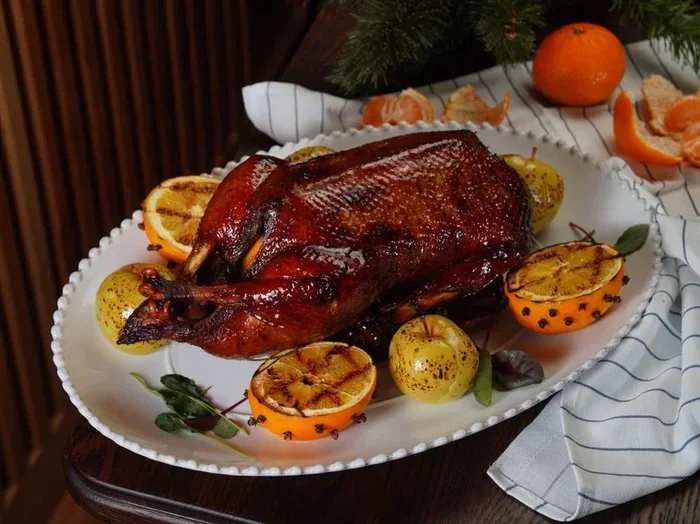
Roasting a turkey to the right temperature is the single most important step for juicy, safe results. The ideal roast turkey temperature reaches 165°F in the thickest parts while keeping the breast moist and the thigh tender. This guide covers everything from safe internal temps to resting times, so your turkey turns out perfectly every single time.
Roasting a turkey can feel intimidating. There is so much to think about. Timing. Seasoning. Temperature. And the pressure of feeding a crowd. But here is the good news. Once you understand roast turkey temperature, everything else falls into place.
The difference between a dry, overcooked bird and a juicy, tender masterpiece comes down to one thing: internal heat. Knowing the right roast turkey temperature at every stage of cooking changes your results completely. This guide walks you through everything you need to know, from start to finish.
Whether you are a first-time turkey roaster or a seasoned holiday cook, you will find practical tips and clear guidance here. Let us dive in and make your next turkey the best one yet.
Key Takeaways
- Target 165°F: The USDA safe internal temperature for turkey is 165°F in the thickest part of the breast and thigh.
- Breast vs. Thigh: Turkey breast tastes best at 160-165°F, while thighs are juicier at 170-175°F due to darker meat.
- Use a Meat Thermometer: A reliable digital thermometer is the only accurate way to check your roast turkey temperature.
- Rest Your Turkey: Letting the bird rest for 20-30 minutes allows juices to redistribute and carryover cooking to finish the job.
- Avoid Overcooking: Pulling the turkey out at the right moment prevents dry, tough meat.
- Different Methods, Different Temps: Oven roasting, air frying, and slow cooking all require slightly different approaches to temperature.
📑 Table of Contents
- What Is the Perfect Roast Turkey Temperature?
- Turkey Breast vs. Thigh: Temperature Differences
- How to Check Turkey Temperature Correctly
- Common Mistakes That Ruin Turkey Temperature
- Resting Your Turkey: Why It Matters
- Roast Turkey Temperature for Different Cooking Methods
- Expert Tips for Perfect Roast Turkey Every Time
- Key Takeaways
What Is the Perfect Roast Turkey Temperature?
The short answer is 165°F. That is the safe internal temperature for poultry set by the USDA. But the full picture is a little more nuanced. Different parts of the turkey cook at different rates. And the ideal temperature varies depending on what cut you are targeting.
For the breast meat, you want to pull the turkey when it reaches about 160°F to 165°F. The breast will carry over and rise a few degrees while resting. This keeps it juicy and prevents that dreaded dry texture.
For the thigh meat, aim for 170°F to 175°F. Dark meat from the thigh needs a slightly higher temperature to break down connective tissue and become tender. The fat renders better at this range, giving you rich, fall-off-the-bone flavor.
Why 165°F Is the Magic Number
The USDA set 165°F as the standard because it kills harmful bacteria like Salmonella. This temperature ensures your turkey is safe to eat. But safety is only half the battle. The real art is reaching that temperature without drying out the meat.
Many experienced cooks pull the breast out at 160°F. The carryover heat will bring it up to 165°F while the bird rests. This small trick makes a huge difference in moisture. It is one of the best-kept secrets in turkey roasting.
Turkey Breast vs. Thigh: Temperature Differences
Not all turkey meat is created equal. The breast and thigh have different structures, fat content, and ideal temperatures. Understanding these differences is key to nailing your roast turkey temperature every time.
Breast Meat: Lean and Quick to Cook
The breast is white meat. It is leaner and cooks faster than the dark meat. Because it has less fat, it dries out more easily. You need to watch the turkey breast temperature closely.
Here are the key numbers to remember:
- Remove at 160°F: Carryover heat brings it to the safe 165°F.
- Maximum safe temp: 165°F. Going beyond this risks dryness.
- Resting rise: Expect 5 to 10 degrees of carryover cooking.
The breast is done when the juices run clear, not pink. A good meat thermometer for turkey makes this check effortless and accurate.
Thigh Meat: Dark, Rich, and Forgiving
Thigh meat is darker and fattier. It needs more heat and time to become fully tender. The collagen in the thigh breaks down at higher temperatures, which is why thighs taste best when cooked to 170°F or above.
- Ideal temp: 170°F to 175°F for tender, juicy thighs.
- Safe minimum: 165°F, but thighs benefit from a slightly higher pull temp.
- Bone-in vs. boneless: Bone-in thighs retain moisture better during cooking.
If you buy a whole bird, you will need to balance the breast and thigh temperatures. This is where a turkey cooking temperature chart becomes your best friend.
How to Check Turkey Temperature Correctly
Guessing the temperature never works. You need a reliable tool and the right technique. Checking your roast turkey temperature correctly is the foundation of great results.
Choose the Right Thermometer
Not all thermometers are equal. A basic oven-safe dial thermometer works, but a digital instant-read thermometer gives you faster, more precise readings. Some cooks even use leave-in probe thermometers that beep when the target temp is reached.
Look for a thermometer that reads quickly and accurately. Avoid relying on pop-up timers. They are often unreliable and can leave you with an overcooked bird.
Where to Insert the Thermometer
Placement matters just as much as the tool itself. Here is where to check:
- Thickest part of the breast: Insert into the center of the breast, avoiding bone.
- Innermost part of the thigh: Go deep into the meat near the bone.
- Wing joint: Check the area where the wing meets the body.
Do not let the probe touch bone. Bone conducts heat differently and will give you a false reading. Always check at least two spots to be sure.
Quick Tips for Accurate Readings
- Wait 15 to 30 seconds for your digital thermometer to stabilize.
- Check the temperature in multiple spots for consistency.
- Do not open the oven door too often. Each opening drops the oven temperature.
- Calibrate your thermometer before the big cook if possible.
Common Mistakes That Ruin Turkey Temperature
Even experienced cooks make mistakes. Knowing what to avoid saves you from a dry, disappointing turkey. Here are the most common errors and how to fix them.
Overcooking the Breast
This is the number one turkey mistake. The breast dries out fast once it passes 165°F. Many people leave the bird in the oven too long because they are worried about undercooking the thighs. The fix is simple. Remove the breast early and let carryover cooking do the rest.
Another option is to use a best pan to cook turkey in oven that promotes even heat distribution. A roasting pan with a rack allows hot air to circulate, reducing hot spots and uneven cooking.
Relying on Recipe Times Alone
Every oven is different. Recipe times are just estimates. Your oven might run hot or cold. The size and shape of your bird changes the cooking time. Always trust your thermometer over the clock.
Skipping the Rest
Resting is not optional. When you cut into a hot turkey, the juices run out onto the cutting board instead of staying in the meat. A proper rest of 20 to 30 minutes lets the juices redistribute and the temperature stabilize.
If you need to keep the turkey warm during this time, learn how to keep a turkey warm in the oven with a low setting and foil tent. This preserves moisture without continuing to cook the meat.
Forgetting Carryover Cooking
Carryover cooking is real. The internal temperature of the turkey continues to rise after you pull it from the oven. This can add 5 to 10 degrees depending on the size of the bird. Factor this into your pull temperature to avoid overshooting.
Resting Your Turkey: Why It Matters
Resting is the unsung hero of roast turkey. It is the step between taking the bird out of the oven and carving it. And it makes a massive difference in juiciness.
When the turkey is cooking, the heat pushes juices toward the center. Resting allows those juices to redistribute throughout the meat. When you finally cut in, every slice is moist and flavorful.
A general rule is to rest the turkey for 20 to 30 minutes. Tent it loosely with foil. This keeps it warm without trapping steam, which would make the skin soggy.
For larger birds over 15 pounds, you may want to rest for up to 40 minutes. The bigger the turkey, the more time it needs to reabsorb its juices.
What About the Juices?
Do not throw away those resting juices. Pour them over the carved turkey or use them to make gravy. They are packed with flavor and are a sign that your bird was cooked well.
If you are planning to serve your turkey with gravy, consider pairing it with a great best electric kettles with temperature control for warming broth or making pan sauce on the stove while the turkey rests.
Roast Turkey Temperature for Different Cooking Methods
Oven roasting is the classic method, but it is not the only way. Different cooking methods require different approaches to temperature. Let us explore your options.
Traditional Oven Roasting
Most recipes call for an oven temperature between 325°F and 425°F. A lower temperature of 325°F to 350°F is the safest bet for even cooking. It gives you more control and reduces the risk of drying out the breast.
Higher temperatures of 400°F to 425°F can produce crispier skin but require more attention. The outside can brown too quickly while the inside is still undercooked.
A general rule for oven roasting is about 13 minutes per pound at 350°F. But always verify with a thermometer.
Air Frying a Turkey
Air fryers are a fantastic option for smaller turkeys. They cook fast and produce incredibly crispy skin. If you are using an air fryer, make sure it is the best air fryer big enough for a turkey for your bird size.
Air fryers typically run hotter than conventional ovens. You may need to reduce the temperature by 25°F compared to your usual roast turkey temperature. And because the cooking time is shorter, check the temperature more frequently.
Using a Toaster Oven
Can you roast a turkey in a toaster oven? Yes, if the bird is small enough. Look for the best toaster oven big enough for a turkey if you plan to go this route. Toaster ovens heat up faster but can have uneven hot spots, so rotate the bird halfway through cooking.
Keep the temperature steady at 325°F and use a thermometer to monitor doneness. The compact space means the turkey cooks faster, so stay alert.
Slow Cooking a Turkey
Slow cookers offer a hands-off approach. They maintain a low, steady temperature that keeps the meat moist. However, slow cookers may not produce crispy skin. If you go this route, plan for about 4 to 6 hours on low for a smaller bird.
For a whole turkey, you might want to explore 24 crockpot beef roast recipes that are juicy tender as a reference for slow-cooked meat techniques, even though the protein is different.
Expert Tips for Perfect Roast Turkey Every Time
Want to take your turkey to the next level? Here are some expert-backed tips that make a real difference.
- Brine overnight: A simple saltwater brine adds moisture and seasoning deep into the meat. Even a quick brine of a few hours helps.
- Bring the turkey to room temperature: Take it out of the fridge 1 to 2 hours before roasting. This promotes even cooking.
- Dry the skin thoroughly: Pat the skin completely dry before roasting. Dry skin crisps up better.
- Rub with butter or oil: This adds flavor and helps the skin turn golden and crispy.
- Use a roasting rack: Elevating the turkey allows hot air to circulate underneath, cooking it more evenly.
- Do not stuff the turkey: Stuffing can affect cooking time and temperature. It is safer to cook stuffing separately.
When it is time to serve, a sharp set of best turkey carving knives for clean cuts makes all the difference. Clean cuts keep the juices inside each slice, preserving all that hard-earned moisture.
Key Takeaways
- Target 165°F for safety: The USDA safe internal temperature for turkey is 165°F in the thickest part of the breast and thigh.
- Breast vs. Thigh matters: Turkey breast tastes best pulled at 160°F, while thighs are juicier at 170°F to 175°F due to darker meat.
- Use a digital meat thermometer: This is the only reliable way to check your roast turkey temperature accurately.
- Rest for 20 to 30 minutes: Letting the bird rest allows juices to redistribute and carryover cooking to finish the job.
- Avoid common mistakes: Do not overcook the breast, skip the rest, or rely solely on recipe times.
- Adjust for your cooking method: Oven, air fryer, toaster oven, and slow cooker each require different approaches to temperature and timing.
Frequently Asked Questions
What is the safe internal temperature for roast turkey?
The USDA recommends 165°F as the safe internal temperature for turkey. Check the thickest part of the breast and the innermost part of the thigh. Both should reach at least 165°F for the turkey to be considered safe to eat.
Can you eat turkey at 160°F?
Many chefs recommend pulling the turkey breast at 160°F because carryover cooking will bring it up to 165°F while resting. The thigh meat can be slightly higher, around 170°F. Always use a thermometer to verify.
How long should I rest my roast turkey?
Rest your turkey for 20 to 30 minutes before carving. For birds over 15 pounds, extend the rest to 40 minutes. This allows the juices to redistribute and keeps every slice moist and flavorful.
What temperature should turkey thighs be?
Turkey thighs are dark meat and benefit from a higher cooking temperature. Aim for 170°F to 175°F for tender, juicy thighs. The extra heat breaks down connective tissue and renders the fat for richer flavor.
How do I know if my turkey is done without a thermometer?
While a thermometer is the most reliable tool, you can check by inserting a fork into the thickest part of the thigh. If the juices run clear and not pink, the turkey is likely done. The leg should also move freely in the socket.
Does stuffing a turkey affect the internal temperature?
Yes. Stuffing inside the turkey can affect how heat distributes and may require longer cooking times. The stuffing itself must also reach 165°F to be safe. For more even results, many cooks prefer to cook stuffing separately.
=== CONCLUSION ===
Mastering roast turkey temperature is the key to a perfect bird every time. The target is clear. 165°F in the breast and thigh. But the real secret lies in the details. Pull the breast early. Rest the bird properly. Use a reliable thermometer. And avoid the common traps that lead to dry, overcooked meat.
When you pay attention to these temperatures and techniques, your turkey turns out juicy, tender, and full of flavor. Your guests will rave. And you will feel confident every time you roast a turkey.
Now you have the knowledge to cook the perfect turkey. So go ahead. Fire up that oven. Grab your thermometer. And make your next roast turkey the best one yet.