Cooking a 4 pound chateaubriand roast is easier than you think. This guide walks you through every step from selecting the perfect cut to achieving a juicy, tender result. You will learn the ideal internal temperature, seasoning tips, and how to rest your roast properly. Whether you are a beginner or a seasoned home cook, these methods guarantee restaurant-quality beef.
Key Takeaways
- Choose the Right Cut: A 4 pound chateaubriand comes from the beef tenderloin and needs minimal trimming.
- Sear Before Roasting: Always sear your roast first to lock in juices and build a flavorful crust.
- Use a Meat Thermometer: Target an internal temperature of 135°F for medium-rare perfection.
- Rest the Roast: Let your chateaubriand rest for at least 15 minutes before slicing to retain moisture.
- Pair with Simple Sides: Roasted vegetables and herb butter complement the rich flavor of beef tenderloin.
- Store Leftovers Properly: Keep leftover roast beef in the fridge for up to 4 days or freeze for longer storage.
📑 Table of Contents
- How to Cook a Perfect 4 Pound Chateaubriand Roast at Home
- What Is a Chateaubriand Roast?
- Selecting and Preparing Your Chateaubriand
- How to Cook a 4 Pound Chateaubriand: Step-by-Step
- Best Side Dishes for Chateaubriand
- Common Mistakes to Avoid
- How to Store Leftover Chateaubriand
- Expert Tips for the Perfect Chateaubriand
- Why This Recipe Works Every Time
How to Cook a Perfect 4 Pound Chateaubriand Roast at Home
A chateaubriand roast is one of the most impressive cuts of beef you can serve at a dinner party. It comes from the center of the beef tenderloin, which means it is incredibly tender and lean. A 4 pound chateaubriand feeds about 6 to 8 people comfortably, making it perfect for special occasions.
Many people think cooking a large beef roast is intimidating. The truth is, with the right technique, you can achieve restaurant-quality results in your own kitchen. This guide covers everything you need to know about selecting, seasoning, cooking, and serving a 4 pound chateaubriand. Let us get started.
What Is a Chateaubriand Roast?
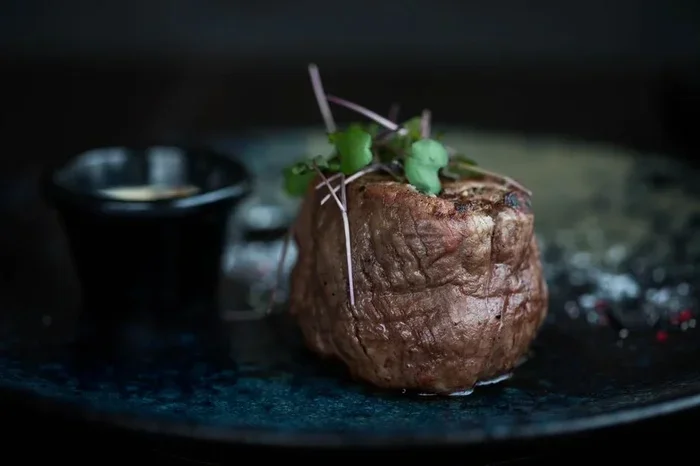
The chateaubriand is a classic French dish. It refers to a thick center-cut slice of beef tenderloin. Unlike a whole tenderloin, the chateaubriand is trimmed and tied into a uniform roast. This makes it ideal for even cooking.
What makes this cut special is its tenderness. Because it comes from the least worked muscle in the cow, it has very little connective tissue. The result is a buttery, melt-in-your-mouth texture when cooked correctly. It is no wonder this roast has been a favorite of fine dining for centuries.
A 4 pound chateaubriand is a generous size. It strikes the perfect balance between having enough to share and cooking evenly without drying out. This size also fits well in most standard ovens and roasting pans.
Selecting and Preparing Your Chateaubriand
Choosing the Right Roast
Start by visiting your local butcher or well-stocked grocery store. Look for a beef tenderloin roast that is at least 4 pounds. The meat should have a bright red color with fine marbling throughout. Avoid any roast that looks brown or dry on the surface.
Ask your butcher to trim the silverskin and excess fat for you. This saves you time and ensures more even cooking. Some butchers will also tie the roast with kitchen twine, which helps it hold its shape during roasting.
Bringing the Roast to Room Temperature
Remove your chateaubriand from the refrigerator about 45 minutes before cooking. This step is crucial. A cold roast placed directly into a hot oven cooks unevenly, with the outside overcooking before the center reaches the right temperature.
Pat the roast dry with paper towels before seasoning. Dry surfaces sear better and create a more flavorful crust. This simple step makes a big difference in your final result.
Seasoning Your Roast
Keep your seasoning simple to let the natural flavor of the beef shine. Here is what you need:
- Coarse kosher salt
- Freshly cracked black pepper
- Garlic cloves, minced
- Fresh rosemary or thyme
- 2 tablespoons of olive oil
Rub the olive oil all over the roast first. Then press the salt, pepper, and minced garlic into the surface. Place the fresh herbs on the bottom of the roasting pan and set the roast on top. This infuses gentle aroma as it cooks.
How to Cook a 4 Pound Chateaubriand: Step-by-Step
Step 1: Preheat Your Oven
Preheat your oven to 425°F. A hot oven is essential for getting a good sear on the outside while keeping the inside pink and juicy. If your oven runs hot, drop the temperature to 400°F to be safe.
Place a roasting pan or oven-safe skillet on the stove while the oven heats up. You want the pan to be hot when the roast goes in.
Step 2: Sear the Roast
Searing is the most important step in cooking a chateaubriand roast. Heat a cast iron skillet or roasting pan over medium-high heat with a tablespoon of oil. Once the oil shimmers, carefully place the roast in the pan.
Sear each side for about 2 to 3 minutes until a deep golden-brown crust forms. Do not move the roast around too much. Let it sit undisturbed so the crust can develop properly. This process locks in the juices and adds incredible flavor.
If you want to go the extra mile, try the reverse sear method. Sear the roast quickly on all sides, then transfer it to the oven. This technique gives you more control over the final internal temperature.
Step 3: Roast in the Oven
After searing, transfer the pan directly into the preheated oven. Roast the 4 pound chateaubriand for approximately 25 to 35 minutes. The exact time depends on your oven and how done you prefer the meat.
Use a kitchen thermometer to check the internal temperature. Insert it into the thickest part of the roast, avoiding the bone or any twine. Here is a quick reference guide:
- 120°F: Rare
- 130°F: Medium-Rare (recommended for chateaubriand)
- 140°F: Medium
- 150°F: Well-Done
For the best flavor and texture, aim for medium-rare at 130°F. This is the sweet spot where the beef is juicy, tender, and full of flavor. Remember that the temperature will rise about 5 degrees as the roast rests.
Step 4: Rest the Roast
Once your roast reaches the target temperature, remove it from the oven. Cover it loosely with aluminum foil and let it rest for at least 15 minutes. This step cannot be skipped.
During resting, the juices inside the meat redistribute. If you cut into the roast too soon, all those juices will run out onto the cutting board. A proper rest ensures every slice is moist and flavorful. The carryover cooking during this time will bring the internal temperature up to a perfect 135°F.
Step 5: Slice and Serve
Use a sharp carving knife to slice the roast against the grain. Cut slices about 1 inch thick for the best presentation. Serve immediately with your favorite sides.
Save any juices left in the pan. You can drizzle them over the sliced beef for extra flavor. A simple pan sauce made from these drippings elevates the entire dish.
Best Side Dishes for Chateaubriand
A great chateaubriand roast deserves equally great sides. Here are some pairing ideas that complement the rich, buttery flavor of beef tenderloin:
- Crispy roasted potatoes: Toss baby potatoes with olive oil, garlic, and rosemary. Roast them at 400°F for about 30 minutes until golden and crunchy.
- Grilled asparagus: Lightly char fresh asparagus spears with a squeeze of lemon. This adds a fresh contrast to the rich meat.
- Creamy mashed potatoes: A classic choice that pairs beautifully with any beef roast. Add extra butter and a splash of warm milk for the perfect texture.
- Green beans almondine: Sautéed green beans with toasted almonds and butter make an elegant side dish.
- Roasted carrots: Honey-glazed roasted carrots add a sweet note that balances the savory beef.
Keep your sides simple and clean in flavor. The chateaubriand is the star of the show, so the sides should support, not compete.
Common Mistakes to Avoid
Even experienced cooks make mistakes when preparing a large beef roast. Here are the most common pitfalls and how to avoid them:
Skipping the sear. Some people go straight from seasoning to the oven. This robs you of the deep, caramelized flavor that makes a chateaubriand truly special. Always take the extra few minutes to sear properly.
Overcooking the roast. Beef tenderloin is naturally lean, which means it dries out quickly if you cook it too long. Use a thermometer and pull the roast off the heat at 130°F for medium-rare. Trust the thermometer over the clock.
Not letting it rest. Cutting into a hot roast releases all the juices. Give it at least 15 minutes under foil. Your patience will be rewarded with a much juicier result.
Using the wrong pan. A flimsy roasting pan will warp under high heat. Use a heavy-duty roasting pan or a cast iron skillet for the best searing results.
Seasoning too late. Salt the roast at least 30 minutes before cooking, or even the night before. This allows the salt to penetrate the meat and enhance the flavor throughout.
How to Store Leftover Chateaubriand
If you have leftovers, you need to store them properly to maintain quality. Let the roast cool to room temperature within two hours of cooking. Wrap it tightly in plastic wrap or aluminum foil, then place it in an airtight container.
Refrigerated leftover roast beef stays fresh for up to 4 days. For longer storage, wrap the slices tightly and freeze them for up to 3 months. When you are ready to eat, thaw overnight in the refrigerator and reheat gently in a low oven at 275°F.
Proper beef storage ensures you can enjoy your chateaubriand roast for days after cooking. Sliced leftovers make excellent sandwiches, salads, and quick weeknight meals.
Expert Tips for the Perfect Chateaubriand
Here are some pro tips that will take your roast to the next level:
- Make herb butter ahead of time. Compound butter with garlic, parsley, and thyme melts beautifully over sliced roast beef. Prepare it the day before for a gourmet touch.
- Use a wire rack. Placing the roast on a wire rack inside the roasting pan allows hot air to circulate evenly around the meat. This promotes uniform cooking and a better crust.
- Baste during roasting. Every 10 minutes, spoon the pan juices over the top of the roast. This keeps the surface moist and builds layers of flavor.
- Let the meat come to room temperature. As mentioned earlier, this single step improves cooking consistency dramatically.
- Invest in a good meat thermometer. This is the single most important tool for cooking beef roasts perfectly every time. Digital instant-read thermometers are affordable and give you precise readings.
For more tips on preparing beef cuts and cooking techniques, check out our guide on how to tenderize meat naturally. Understanding how to work with different cuts of beef will improve all your cooking.
If you are looking to expand your beef cooking skills, our article on how to make beef stew meat tender on the stove covers another essential technique for handling beef. Both methods complement each other and build your confidence in the kitchen.
Finally, proper storage makes all the difference. Learn more about how to store beef to make sure your roast stays fresh and delicious for days after cooking.
Why This Recipe Works Every Time
The beauty of a 4 pound chateaubriand is its simplicity. There are no complicated sauces or tricky techniques. You season, sear, roast, rest, and serve. The quality of the beef does the heavy lifting.
This method works because it respects the ingredient. Beef tenderloin is naturally tender and flavorful. Your job is simply to enhance it without overcomplicating things. The high-heat sear creates a flavorful crust through the Maillard reaction, while the controlled oven roasting brings the inside to a perfect temperature.
Even if you have never cooked a large beef roast before, this recipe is forgiving. As long as you use a thermometer and let the roast rest, you will nail it. The confidence that comes from a perfect chateaubriand will inspire you to tackle bigger and bolder recipes in your kitchen.
Whether you are cooking for a holiday dinner, a birthday celebration, or a special weekend meal, the chateaubriand roast delivers every time. It is elegant, impressive, and surprisingly easy. Once you master this cut, you will never go back to cooking a basic roast again.
So go ahead. Pick up a beautiful 4 pound beef tenderloin, season it simply, and let your oven do the work. The results will speak for themselves. Your family and guests will be talking about this meal long after the last slice is gone.
Frequently Asked Questions
Can I cook a 4 pound chateaubriand in a pressure cooker?
A pressure cooker is not ideal for chateaubriand because this cut benefits from dry heat cooking. The oven-roasting method creates the crust and even cooking that makes chateaubriand special. Pressure cooking can make the exterior mushy and lose the tender texture.
How long does it take to cook a 4 pound chateaubriand roast?
Total cooking time is about 45 minutes to 1 hour, including searing and roasting. The searing takes roughly 10 minutes, and the oven roasting takes 25 to 35 minutes depending on your desired doneness. Always use a thermometer to check the internal temperature.
What is the best internal temperature for chateaubriand?
The recommended internal temperature is 130°F for medium-rare. This is the sweet spot for beef tenderloin, offering the best balance of juiciness and flavor. The temperature will rise to about 135°F during the resting period.
Should I cover the chateaubriand with foil while resting?
Yes, loosely cover the roast with aluminum foil during resting. This keeps the meat warm without trapping too much steam, which could soften the crust. A loose tent of foil is the perfect approach for resting any beef roast.
Can I freeze a cooked chateaubriand roast?
Yes, you can freeze leftover cooked chateaubriand for up to 3 months. Wrap the slices tightly in plastic wrap and then in foil or place them in a freezer bag. Thaw overnight in the refrigerator before reheating gently in a low oven.
What is the difference between chateaubriand and filet mignon?
Chateaubriand is a thick center-cut from the beef tenderloin, typically serving 6 to 8 people. Filet mignon is a smaller individual steak cut from the same tenderloin. Chateaubriand is essentially a larger version meant for sharing, while filet mignon is served as a single portion.