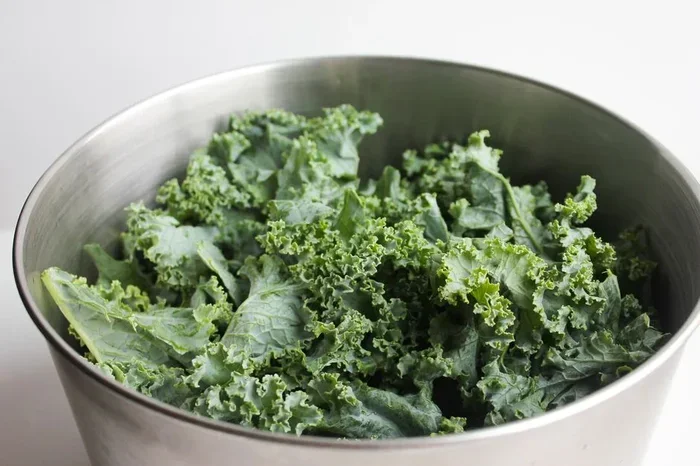
Boost your health and culinary skills with our ultimate guide on how to cook kale. Learn easy tips and recipes to enjoy this nutrient-packed vegetable.
Welcome to the Ultimate Guide on How to Cook Kale
Hey there, health-conscious foodie! You’re in the right place if you want to learn how to cook kale like a pro. This humble yet mighty green vegetable is packed with nutrients, and we’re here to help you make the most of it. In this guide, we’ll cover everything from choosing the right kale to cooking it like a boss and creating delicious recipes. Let’s dive right in!
Why Kale is a Superfood
Before we get into the cooking part, let’s talk about why kale is such a nutritional powerhouse. This leafy green is packed with vitamins K, A, and C, as well as calcium, iron, and antioxidants. It’s also low in calories and high in fiber, making it an excellent choice for those watching their weight. In fact, just one cup of cooked kale provides more than 100% of your daily value for vitamins A, C, and K!
Choosing the Right Kale
Now that you know why kale is so amazing, let’s talk about the different varieties you’ll find at the grocery store. There are three main types of kale:
1. Curly kale: This is the most common type, with ruffled, curly leaves. It’s great for salads, smoothies, and sautéing.
2. Lacinato (or dinosaur) kale: With its dark blue-green, puckered leaves, this variety is perfect for braising, stews, and chips.
3. Red Russian kale: This variety has purple-tinged stems and green leaves. It’s milder in flavor and works well in salads and sandwiches.
Prepping Kale like a Pro
Before you cook kale, you’ll need to prepare it. Here’s how to do it like a pro:
1. Wash thoroughly
Kale can hide sand and dirt in its wrinkles, so make sure to wash it well. Start by tearing the leaves from the stems (more on that later). Then, place the leaves in a large bowl of cold water and swish them around to remove any dirt. Repeat this process until no more grit remains.
2. Trim the stems
Kale stems can be quite tough, so it’s best to remove them, especially if you’re using curly kale or red Russian kale. To do this, hold the base of the stem with one hand and pull the leaves down with the other. The leaves should separate easily from the stem.
3. Chop the leaves
Once you’ve removed the stems, chop the kale leaves into bite-sized pieces. If you’re using lacinato kale, you can also thinly slice the leaves for salads.
4. Store properly
To keep kale fresh, store it in an airtight container in the fridge for up to five days. For longer storage, blanch the kale first, then freeze it for up to three months.
Easy Kale Cooking Methods
Now that you know how to prep kale, let’s talk about cooking it. Here are some simple methods to get you started:
1. Sautéing
Sautéing is one of the quickest and easiest ways to cook kale. Heat a drizzle of olive oil in a pan over medium heat, add the chopped kale, and cook for 3-5 minutes, or until the leaves are tender and bright green. Season with salt, pepper, and garlic powder to taste.
2. Steaming
Steaming is another gentle cooking method that helps preserve kale’s nutrients. Place the kale in a steamer basket over boiling water, cover, and steam for 5-7 minutes, or until the leaves are tender. Season with your favorite herbs and spices.
3. Roasting
Roasting brings out kale’s natural sweetness and creates a delightful crunch. Toss the chopped kale with olive oil, salt, and pepper, then spread it evenly on a baking sheet. Roast at 400°F (200°C) for 10-15 minutes, or until the edges are crispy and golden brown.
4. Braising
Braising is perfect for tougher kale varieties like lacinato. Heat a splash of olive oil in a pot, add the chopped kale, and cook for a few minutes until it starts to wilt. Add enough vegetable broth to cover the kale, bring to a boil, then reduce the heat and let it simmer for 20-30 minutes, or until the kale is very tender.
Creative Kale Recipes
Now that you know how to cook kale let’s get inspired with some delicious recipes!
1. Garlic Sautéed Kale*
1 bunch kale, washed, trimmed, and chopped
1 tbsp olive oil
3 cloves garlic, minced
Salt and pepper, to taste
Red pepper flakes (optional)
Heat the olive oil in a pan over medium heat, add the garlic, and cook for 1 minute. Add the chopped kale, salt, pepper, and red pepper flakes (if using). Cook for 3-5 minutes, or until the kale is tender and bright green. Serve hot.
2. Lemon-Tahini Kale Salad
1 bunch kale, washed, trimmed, and thinly sliced
1/4 cup tahini
1/4 cup lemon juice
2 tbsp olive oil
2 tbsp water
1 clove garlic, minced
Salt and pepper, to taste
1/4 cup toasted sesame seeds (optional)
In a bowl, whisk together the tahini, lemon juice, olive oil, water, garlic, salt, and pepper. Toss the thinly sliced kale in the dressing, then top with toasted sesame seeds (if using) before serving.
3. Crispy Kale Chips
1 bunch kale, washed, trimmed, and chopped
1 tbsp olive oil
Salt and pepper, to taste
Preheat your oven to 375°F (190°C). Toss the chopped kale in olive oil, salt, and pepper. Spread the kale evenly on a baking sheet lined with parchment paper. Bake for 10-15 minutes, or until the edges are crispy and golden brown.
4. Kale and White Bean Soup
1 bunch kale, washed, trimmed, and chopped
1 onion, diced
2 cloves garlic, minced
1 can cannellini beans, drained and rinsed
4 cups vegetable broth
Salt and pepper, to taste
1 tsp dried thyme
Heat a splash of olive oil in a pot over medium heat, add the onion and garlic, and cook until softened. Add the vegetable broth, cannellini beans, thyme, salt, and pepper. Bring to a boil, then reduce the heat and let it simmer for 15 minutes. Add the chopped kale and cook for an additional 10-15 minutes, or until the kale is tender. Blend half the soup (optional) for a creamier texture.
Boosting Kale’s Flavor
Kale can have a strong, bitter flavor, but there are ways to tame it and make it more palatable. Here are some tips:
1. Massage it
Yes, you read that right! Massaging kale helps break down its tough fibers and reduces bitterness. After washing and trimming your kale, chop it, then use your hands to rub and squeeze the leaves for a few minutes. You’ll be amazed at how much smaller and softer it becomes.
2. Cook it with acids
Cooking kale with acidic ingredients like lemon juice, vinegar, or tomatoes can help balance its bitterness. Try adding a splash of lemon juice to your sautéed kale or using vinegar in your dressing for a kale salad.
3. Pair it with rich flavors
Rich, fatty ingredients can help mellow out kale’s bitterness. Try cooking kale with olive oil, nuts, or dairy products like cream or cheese. The fat in these ingredients helps balance the flavor and makes kale more appealing.
4. Use it in combination with other ingredients
Kale is a versatile vegetable that pairs well with many other ingredients. Try using it in combination with sweet vegetables like butternut squash or carrots, or with rich proteins like bacon or sausage. The combination of flavors can help mask kale’s bitterness.
Common Mistakes to Avoid
Even experienced cooks can make mistakes when cooking kale. Here are some common ones to avoid:
1. Not washing kale thoroughly
Kale can hide dirt and sand in its wrinkles, so it’s essential to wash it well. Make sure to wash it multiple times until no more grit remains.
2. Overcooking
Overcooking kale can turn it into a mushy, brown mess. It’s better to undercook it slightly, as the residual heat will continue to cook it even after you’ve removed it from the heat.
3. Not seasoning properly
Kale needs proper seasoning to bring out its best flavor. Don’t be afraid to add salt, pepper, and other spices to your kale dishes.
4. Not using it in combination with other ingredients
Kale can be quite bitter on its own, so it’s essential to use it in combination with other ingredients to balance its flavor.
5. Not storing it properly
Proper storage is key to keeping kale fresh. Make sure to store it in an airtight container in the fridge for up to five days, or blanch and freeze it for longer storage.
Expert Insights
Now that you know how to cook kale let’s hear from some experts on their favorite tips and tricks.
“Kale is one of the most nutrient-dense vegetables out there, but it can be tough and bitter if not cooked properly,” says chef and nutritionist Jessica Jones. “My favorite way to prepare it is by sautéing it with garlic, olive oil, and a pinch of red pepper flakes to add some heat and depth of flavor.”
“Don’t forget about kale as a side dish,” advises food blogger and cookbook author Dawn Jackson Blatner. “It’s great roasted with a little olive oil, salt, and pepper, or even better, toss it with some chickpeas and cherry tomatoes for a quick, easy, and delicious meal.”
“Kale is a powerhouse of nutrients, but it can be a challenge to get your kids to eat it,” says pediatric nutritionist Jill Castle. “My trick is to blend it into smoothies with bananas, spinach, and a splash of orange juice. They don’t even know they’re drinking their greens!”
Key Takeaways
We’ve covered a lot of ground in this ultimate guide on how to cook kale. Here are the key takeaways:
Kale is a nutritional powerhouse packed with vitamins, minerals, and antioxidants.
Choose the right kale variety for your dish – curly, lacinato, or red Russian.
Prep kale like a pro by washing, trimming, and chopping it properly.
Cook kale using simple methods like sautéing, steaming, roasting, or braising.
Try creative kale recipes like garlic sautéed kale, lemon-tahini kale salad, crispy kale chips, or kale and white bean soup.
Boost kale’s flavor by massaging it, cooking it with acids, pairing it with rich flavors, or using it in combination with other ingredients.
Avoid common mistakes like not washing kale thoroughly, overcooking, not seasoning properly, not using it in combination with other ingredients, and not storing it properly.
Get inspired by expert tips and tricks for cooking and serving kale.
Conclusion
Cooking kale doesn’t have to be intimidating. With these easy tips and recipes, you’ll be a kale-loving pro in no time. Whether you’re sautéing it as a side dish or incorporating it into creative recipes, kale is a versatile and delicious addition to any meal. So go ahead, boost your health and culinary skills with this ultimate guide on how to cook kale. Your body (and taste buds) will thank you!
*
Key Takeaways
- Point 1: Kale’s nutritional powerhouses – Discover the key nutrients that make kale a superfood.
- Point 2: Choosing the right kale – Learn about different kale varieties and their uses.
- Point 3: Prepping kale like a pro – master essential techniques for washing, trimming, and storing kale.
- Point 4: Easy cooking methods – Explore simple ways to cook kale, from sautéing to steaming.
- Point 5: Creative kale recipes – Try delicious recipes to incorporate kale into your meals.
- Point 6: Boosting flavor – Learn how to enhance kale’s taste with smart seasoning and cooking techniques.
- Point 7: Common mistakes to avoid – Get insights on what not to do when cooking kale.
[FEATURED_IMAGE_PLACEHOLDER]
Frequently Asked Questions
How long does it take to cook kale?
The cooking time for kale depends on the method you use. Sautéing and steaming take only a few minutes, while braising can take up to 30 minutes. Roasting takes around 10-15 minutes.
Can you eat kale raw?
Yes, you can eat kale raw. Massaging it first can help break down its tough fibers and reduce bitterness. Try it in salads, smoothies, or as a crunchy snack with a dip.
Is kale a superfood?
Yes, kale is considered a superfood due to its high nutritional content. It’s packed with vitamins, minerals, and antioxidants that support overall health and well-being.
How do you store kale?
To store kale, wash and dry it thoroughly, then place it in an airtight container in the fridge for up to five days. For longer storage, blanch it first, then freeze it for up to three months.
What does kale taste like?
Kale has a strong, earthy flavor that can be bitter, especially when raw. Cooking it helps mellow out its taste, and pairing it with rich, acidic, or sweet ingredients can enhance its flavor.
Can you cook kale in the microwave?
**
Yes, you can cook kale in the microwave. Place the chopped kale in a microwave-safe dish with a little water, cover it with plastic wrap, and microwave on high for 2-3 minutes, or until tender.