One pint equals two cups in the US standard measurement system. This simple conversion is essential for cooking, baking, and everyday kitchen tasks. Understanding this ratio helps you scale recipes, measure ingredients accurately, and avoid costly kitchen mistakes.
Have you ever stood in the kitchen, holding a recipe card, and wondered exactly how many cups in a pint? You are not alone. This question comes up more often than you might think, especially when you are scaling a recipe up or down. The good news is that the answer is simple and easy to remember. Once you know this basic conversion, a whole world of cooking confidence opens up.
The short answer is that one pint equals two cups in the United States measurement system. This applies to liquid measurements, which is what most home cooks deal with on a daily basis. Whether you are making a batch of soup, mixing up a cocktail, or baking a cake, knowing this ratio saves you time and prevents costly mistakes. Let us dive deep into everything you need to know about pints, cups, and how they relate to each other.
Key Takeaways
- A pint equals two cups: This is the standard US liquid measurement conversion you need to know.
- There are 16 fluid ounces in a pint: This helps when your recipe calls for ounces instead of cups.
- Dry and liquid pints differ slightly: Knowing the difference prevents measurement errors in baking.
- Metric conversions are useful too: A pint equals approximately 473 milliliters.
- Mastering this conversion boosts your cooking confidence: You can easily double or halve any recipe.
- Common kitchen tools make measuring easy: Liquid measuring cups and dry measuring cups serve different purposes.
- Pint containers are everywhere: From ice cream to blueberries, knowing the cup equivalent saves time and money.
📑 Table of Contents
- What Is a Pint?
- How Many Cups in a Pint: The Basic Conversion
- Pints vs. Cups: Understanding the Difference
- Common Kitchen Uses for Pints and Cups
- Conversion Chart: Pints, Cups, and Beyond
- Common Mistakes When Measuring Pints and Cups
- Quick Tips for Remembering the Pint-to-Cup Conversion
- Why This Conversion Matters for Everyday Cooking
- Conclusion
What Is a Pint?
A pint is a unit of volume measurement used in both the US customary system and the British imperial system. In the US, a pint is most commonly associated with liquids like milk, water, and beer. However, pints are also used for dry ingredients in certain contexts. The word “pint” comes from the French word “pinte,” which itself has roots in Latin.
In everyday American life, you encounter pints more often than you realize. A pint of blueberries at the grocery store, a pint of ice cream, and a pint of heavy cream all use the same standard measurement. Understanding what a pint represents helps you make smarter decisions at the store and in the kitchen.
The History of the Pint
The pint has been around for centuries. It was originally based on the volume of a pound of water, which made it practical for trade and commerce. Over time, different countries developed their own versions of the pint. The US pint and the imperial pint used in the UK are not exactly the same size. The US pint is about 473 milliliters, while the imperial pint is roughly 568 milliliters. For most American cooking, the US pint is what you need to know.
How Many Cups in a Pint: The Basic Conversion
This is the core of the article, and it is simpler than you might expect. One liquid pint equals exactly two cups. That is it. Two cups. No complicated math, no confusing fractions. Just two cups for every one pint.
To break it down further, each cup contains 8 fluid ounces. Since a pint has 16 fluid ounces, dividing 16 by 8 gives you exactly 2 cups. This is the kind of math that works in your favor every single time you cook or bake.
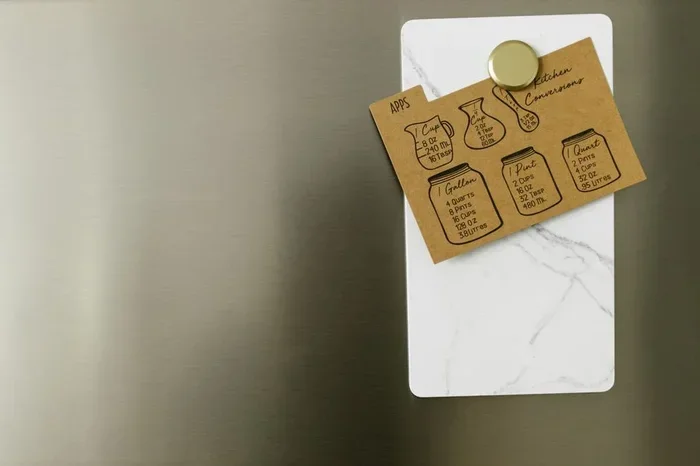
Here is a quick reference for common pint-to-cup conversions:
- 1 pint = 2 cups
- 2 pints = 4 cups (also known as 1 quart)
- 4 pints = 8 cups (also known as 1 half-gallon)
- 8 pints = 16 cups (also known as 1 gallon)
These conversions are incredibly useful when you are adjusting recipes. Say you have a soup recipe that calls for 1 pint of chicken broth, but you want to make double the batch. You now know you need 4 cups of broth. Easy.
When you are measuring ingredients for a recipe, always use the right type of measuring cup. Liquid measuring cups are designed for fluids like water, oil, and milk. Dry measuring cups are meant for flour, sugar, and other dry goods. Using the wrong type can throw off your measurements, even if the cup count is correct.
Pints vs. Cups: Understanding the Difference
While the conversion between pints and cups is straightforward, it helps to understand what each unit actually represents. A cup is a smaller unit of measurement, and it takes two of them to make a pint. Think of it like this: if a cup is a small bucket, then a pint is a medium bucket that holds exactly two small buckets.
In the kitchen, cups are the most commonly used unit for everyday recipes. Most measuring sets you buy include cups in sizes like 1/4 cup, 1/3 cup, 1/2 cup, and 1 cup. Pints, on the other hand, are more often seen on packaging. When you buy a container of heavy cream or a carton of broth, it often comes in pint-sized containers.
Liquid vs. Dry Measurements
This is where things get a little tricky. A liquid pint and a dry pint are not exactly the same in terms of volume. A US liquid pint is 473 milliliters, which equals 2 cups. A US dry pint, however, is slightly larger at about 550 milliliters. In practical cooking terms, most recipes that call for a pint are referring to liquid measurements.
If you are baking, precision matters a lot more than in cooking soups or stews. Baking is essentially chemistry, and small measurement errors can change the texture and rise of your baked goods. Always level off your dry measuring cups and read liquid measuring cups at eye level for the most accurate results.
For those who want to be extra precise, consider investing in a kitchen scale. Measuring by weight is far more accurate than measuring by volume, especially for dry ingredients like flour and cocoa powder. A quick search on how to measure coffee in a coffee maker will show you that even coffee brewing benefits from proper measurement techniques.
Common Kitchen Uses for Pints and Cups
Pints and cups show up everywhere in the kitchen. Here are some of the most common situations where you will need to know this conversion:
- Dairy products: Milk, cream, and buttermilk often come in pint containers. A pint of milk equals 2 cups.
- Berries and fruits: Many fruits are sold by the pint. A pint of strawberries or blueberries typically equals about 2 cups.
- Broths and stocks: Chicken broth, beef broth, and vegetable broth are frequently sold in pint cartons.
- Ice cream: A pint of ice cream is a standard size. That is 2 cups of frozen treats.
- Beer and beverages: Many craft beers are served in pint glasses, which hold 16 ounces or 2 cups of liquid.
Knowing these conversions helps you plan better when shopping and cooking. If a recipe calls for 3 cups of buttermilk and you only have pint containers, you know you need 1.5 pints. No guesswork involved.
When Cooking with a Rice Cooker
If you use a rice cooker regularly, understanding liquid measurements becomes even more important. The water-to-rice ratio often depends on precise measurements. When you are reheating rice in a rice cooker, knowing how much liquid to add can make the difference between perfectly fluffy rice and a sticky mess. A standard rice cooker cup is different from a US measuring cup, so always check your cooker’s manual for the correct ratios.
When Boiling Foods on the Stovetop
Many recipes require you to bring a specific amount of water to a boil. If your recipe calls for 1 pint of water, you know you need exactly 2 cups. This comes in handy when you are boiling in an Instant Pot or using a stovetop method. Measuring your liquid correctly ensures even cooking and prevents your pot from boiling dry.
Conversion Chart: Pints, Cups, and Beyond
Having a quick reference chart in your kitchen is incredibly helpful. Print it out, tape it inside a cabinet door, or save it on your phone. Here is a comprehensive conversion chart that covers pints, cups, fluid ounces, and milliliters:
- 1/4 pint = 1 cup = 8 fluid ounces = 236.6 ml
- 1/2 pint = 1 cup = 8 fluid ounces = 236.6 ml
- 1 pint = 2 cups = 16 fluid ounces = 473.2 ml
- 2 pints = 4 cups = 32 fluid ounces = 946.4 ml (1 quart)
- 4 pints = 8 cups = 64 fluid ounces = 1,892.8 ml (1 half-gallon)
- 8 pints = 16 cups = 128 fluid ounces = 3,785.6 ml (1 gallon)
Keep this chart handy whenever you are working on a new recipe. Over time, these conversions will become second nature. You will start to estimate measurements without even thinking about it.
Metric Conversions for International Cooks
If you follow recipes from other countries, you may encounter metric measurements. A US pint equals approximately 473 milliliters. A UK imperial pint is about 568 milliliters. When converting recipes, always check which pint the original recipe uses. Most online recipe converters can handle this automatically, but it is good to know the difference.
Common Mistakes When Measuring Pints and Cups
Even experienced cooks make measurement mistakes. Here are the most common errors to avoid:
- Using the wrong type of measuring cup: Never use a dry measuring cup for liquids. The spout on liquid measuring cups makes it easier to pour and read the measurement accurately.
- Not leveling off dry ingredients: When measuring flour or sugar, use a straight edge like a knife to level the top of the cup. Scooping directly from the bag packs the ingredient down and gives you more than you need.
- Confusing US and imperial measurements: If you are using a recipe from the UK, remember that their pint is larger than a US pint. This can throw off your conversions.
- Eyeballing measurements: Looking down into a liquid measuring cup from above can give you a false reading. Always bring the cup to eye level and check the meniscus (the curved surface of the liquid).
- Assuming all pint containers are the same: Some products, like ice cream, are sold in pint-sized containers but may not fill the container completely due to air pockets. This is especially true for whipped or chunky products.
Avoiding these mistakes will improve your cooking results dramatically. Precision in the kitchen is a skill that develops over time, and understanding basic conversions like how many cups in a pint is the first step.
Quick Tips for Remembering the Pint-to-Cup Conversion
Remembering that a pint equals two cups is easy once you have a few tricks up your sleeve:
- The “P” trick: Pint starts with P, and so does Two. One Pint, Two Cups. Simple.
- Think of a pint glass: A standard pint glass holds 16 ounces. Two 8-ounce cups fill it up perfectly.
- Use your hands: Hold two cups in one hand and one pint container in the other. Visualizing the comparison makes it stick.
- Practice with water: Pour 1 pint of water into a 1-cup measuring cup twice. Seeing it with your own eyes reinforces the concept.
These tips may seem basic, but they work. The more you practice, the more natural the conversion becomes. Soon you will be converting pints to cups without even trying.
Why This Conversion Matters for Everyday Cooking
Understanding the relationship between pints and cups is not just academic knowledge. It has real, practical value in your daily cooking and baking. Here are a few reasons why this conversion matters:
- Recipe scaling: Want to double a recipe? Knowing that 1 pint equals 2 cups means you can quickly calculate that 3 pints equals 6 cups. This works for any multiplier.
- Shopping smarter: When you see a pint of heavy cream at the store and your recipe calls for 1.5 cups, you know you need 3/4 of a pint. No more guessing.
- Reducing waste: Buying the right size container means you use what you need and waste less.
- Building confidence: Once you master basic conversions, you feel more confident experimenting with recipes and creating your own dishes.
Cooking should be fun and creative, not stressful. Having a solid grasp of basic measurements like cups and pints removes one layer of uncertainty from the process. You can focus on the flavors, the techniques, and the joy of creating something delicious.
The next time you are in the kitchen and a recipe calls for a pint, do not hesitate. Reach for your measuring cups and pour in exactly 2 cups. You will get consistent, reliable results every single time. And that is what cooking is all about.
Conclusion
Now you know everything you need about how many cups in a pint. One pint equals two cups, and this simple fact can transform the way you cook and bake. From dairy products to berries, from broths to ice cream, this conversion applies to countless ingredients and recipes you use every day.
Keep the conversion chart handy, avoid common measuring mistakes, and practice using these tips in your own kitchen. The more you work with these measurements, the more intuitive they become. Soon, you will not even need to think about it. You will just know.
Mastering this basic conversion is a small step that leads to big improvements in your cooking. You will save time, reduce waste, and gain the confidence to tackle any recipe that comes your way. Happy cooking!
Frequently Asked Questions
Is a pint always equal to two cups?
Yes, in the US standard measurement system, one liquid pint equals exactly two cups. This is a fixed conversion that does not change. However, if you are using the UK imperial system, the pint is slightly larger, but the US pint always equals two cups.
Can I use a dry measuring cup to measure a liquid pint?
You can, but it is not recommended. Dry measuring cups are designed to be filled and leveled, not poured. Liquid measuring cups have a spout and measurement lines that make pouring and reading much easier and more accurate. For the best results, use the right tool for the right job.
How many fluid ounces are in a pint?
A US liquid pint contains 16 fluid ounces. Since one cup equals 8 fluid ounces, you can see why two cups make one pint. This is a handy fact to remember when your recipe lists ingredients in fluid ounces instead of cups.
Does a pint of blueberries equal two cups?
Generally yes. A pint of whole blueberries is close to 2 cups. However, if the berries are sliced or crushed, they may take up slightly less space. For most recipes, you can safely substitute 1 pint of blueberries with 2 cups.
What is the difference between a US pint and an imperial pint?
A US pint is about 473 milliliters, while an imperial pint used in the UK is approximately 568 milliliters. The imperial pint is roughly 20% larger than the US pint. If you are following a British recipe, keep this difference in mind when converting measurements.
How do I convert pints to milliliters?
To convert US pints to milliliters, multiply the number of pints by 473.2. For example, 1 pint equals 473.2 milliliters, and 2 pints equal 946.4 milliliters. For quick estimates, you can round 473.2 to 475 milliliters per pint.