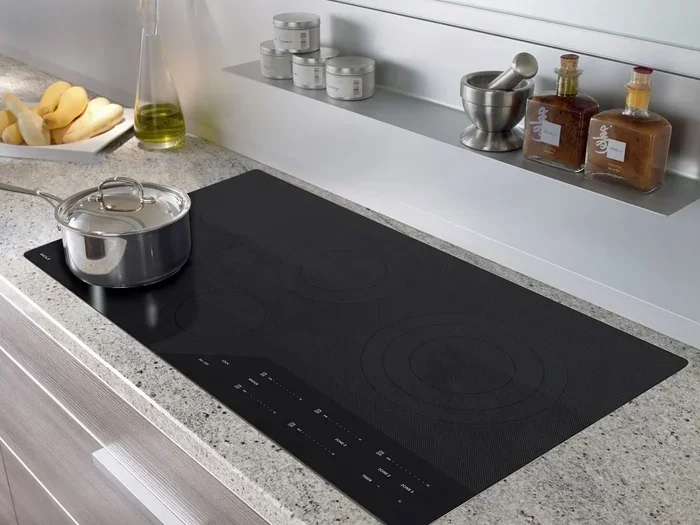
The Jenn Air Downdraft Electric Cooktop offers a sleek, modern solution for kitchens without overhead vents. It combines powerful cooking elements with built-in ventilation to keep your space clean. This guide covers everything you need to know about installation, features, and performance. You will learn why this appliance stands out among other electric options. Read on to see if it fits your home perfectly.
cooking at home should feel good. You want a space that works for you. The Jenn Air Downdraft Electric Cooktop changes how you think about kitchen ventilation. Most people need a big hood over the stove. This unit removes that need. It pulls air down through the surface. This keeps your kitchen air clean without blocking your view.
Many homeowners love open concepts. They hate bulky hoods hanging low. This cooktop solves that problem. It sits flat against the counter. The ventilation system hides inside. You get powerful cooking without the clutter. It is a smart choice for modern designs.
In this article, we explore everything about this appliance. We look at how it works and why it matters. You will learn about installation and care. We also compare it to other options. By the end, you will know if this fits your life. Let us dive into the details of this Jenn Air Downdraft Electric Cooktop.
Key Takeaways
- Ventilation Solution: The downdraft system pulls smoke and odors down instead of up.
- Electric Performance: Electric elements provide consistent and precise heat control.
- Sleek Design: This cooktop fits seamlessly into countertops without a hood.
- Installation Needs: Proper cabinetry space is required for the downdraft mechanism.
- Cleaning Ease: Smooth surfaces make wiping down spills very simple.
- Energy Efficiency: Electric models often convert energy to heat more efficiently.
- Kitchen Flexibility: You can place this cooktop further from walls or windows.
📑 Table of Contents
Understanding the Downdraft Ventilation System
Ventilation is key for any cooktop. Smoke and steam need to go somewhere. Traditional hoods push air up and out. A downdraft system does the opposite. It pulls air vertically down through the cooktop. This is great for islands or low cabinets.
The Jenn Air Downdraft Electric Cooktop uses a powerful fan. This fan sits beneath the cooking surface. When you cook, the system activates. It captures grease and odors quickly. The air moves into a duct below the floor. Then it exits your home through an external vent.
Some models offer recirculation options. This filters the air and sends it back. However, external venting is usually better. It removes heat and moisture completely. You should check your home setup before buying. Proper ductwork is essential for best results.
How the Airflow Works
Air enters through slots near the burners. These slots are hidden when the unit is off. When you turn on the fan, they open up. The air moves down into a chamber. From there, it travels through ducting. This process happens quietly and efficiently.
You can often adjust the fan speed. High speed helps with heavy frying. Low speed is good for simmering. This control helps manage noise levels. You do not want a loud fan while talking. The system balances power with comfort.
Benefits Over Traditional Hoods
Traditional hoods can block your view. They also take up vertical space. A downdraft system keeps the sightlines clear. You can see across the kitchen easily. This makes socializing while cooking better. Guests can sit nearby without feeling crowded.
Cleaning is also easier with this design. Hoods have many nooks and crannies. Grease builds up on filters and fans. A downdraft cooktop is mostly flat. You wipe the surface directly. There are fewer parts to clean regularly.
If you want to know more about cleaning, check out how to clean Jenn Air cooktop downdraft. Proper care keeps the system running well. It also ensures your food tastes fresh.
Electric Cooking Elements and Performance
Electric cooktops offer precise heat control. They heat up quickly and hold temperature well. The Jenn Air Downdraft Electric Cooktop uses high-quality elements. These elements respond fast to your settings. You can boil water or melt chocolate with ease.
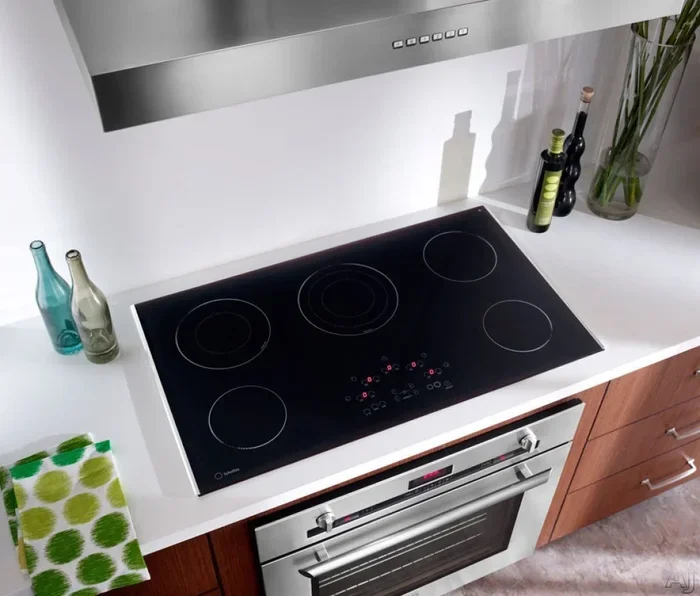
Visual guide about modern electric cooktop kitchen
Image source: i.pinimg.com
There are different types of electric elements. Some are traditional coil styles. Others are smooth glass tops. Smooth tops look modern and clean easily. They also allow for larger pot placement. You can use bigger pans without slipping.
Power levels vary across the surface. You usually get high power for boiling. Lower power works for keeping food warm. This flexibility helps with complex meals. You can cook multiple dishes at once. Each zone works independently for best results.
Heat Distribution and Consistency
Consistent heat is vital for good cooking. Electric elements distribute warmth evenly. This prevents hot spots on your pans. Food cooks uniformly without burning edges. You get better results with less effort.
Glass surfaces also help with heat retention. They stay warm for a short time after turning off. This is useful for resting meats or keeping sauces warm. However, you must be careful with hot surfaces. Always use oven mitts when handling pots.
For those interested in specific element counts, you might look at best 30 electric downdraft cooktop with 4 elements. More elements mean more cooking flexibility. You can prepare a full meal simultaneously.
Safety Features of Electric Models
Electric cooktops have built-in safety traits. Many have indicator lights to show heat. Some feature auto shut-off functions. This prevents accidents if you forget to turn it off. Child locks are also common on these units.
The smooth surface reduces burn risks too. There are no open coils to touch. However, the glass gets very hot. You should keep flammable items away. Towels and paper must not sit nearby. Safety is a priority with any kitchen appliance.
Design and Aesthetics for Modern Kitchens
Looks matter in a kitchen. Your appliances should match your style. The Jenn Air Downdraft Electric Cooktop has a sleek profile. It blends into the countertop seamlessly. You do not see bulky mechanisms sticking out.
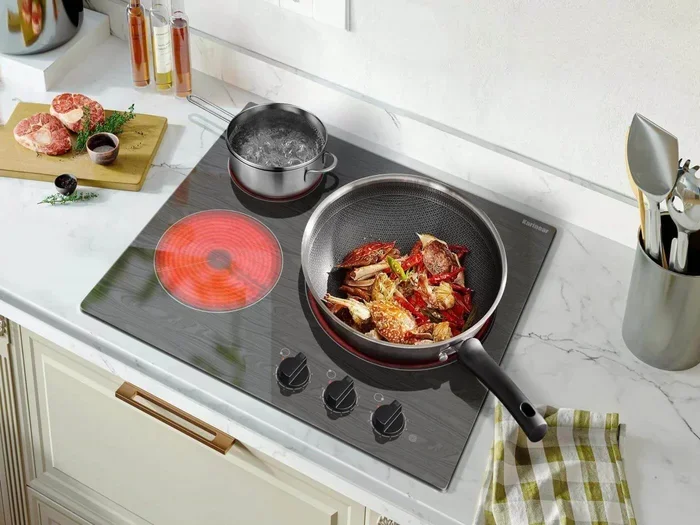
Visual guide about modern electric cooktop kitchen
Image source: karinearappliances.com
Finish options vary by model. Stainless steel is a popular choice. It matches other appliances well. Black or white finishes also exist. You can pick what fits your decor. The goal is a unified look in the room.
This design works well for kitchen islands. Islands often lack space for a hood. A downdraft unit fits perfectly here. It allows seating around the island. People can eat while you cook nearby. This creates a friendly cooking environment.
Integration with Cabinetry
Installation requires careful planning. The unit needs space below the counter. There must be room for the ductwork. You cannot place it in a shallow cabinet. Measure your space before ordering anything.
Professional installation is often recommended. They know how to handle the venting. Proper sealing prevents leaks and noise. A good install ensures long-term performance. You want the system to work quietly every day.
If you are comparing sizes, see best induction cooktop with downdraft 36 inch. Size matters for your counter layout. You need the right fit for your home.
Installation Requirements and Considerations
Installing this cooktop is not simple. You need electrical power and venting access. The electrical connection must match the voltage. Most electric units need a dedicated circuit. This ensures stable power for the elements.
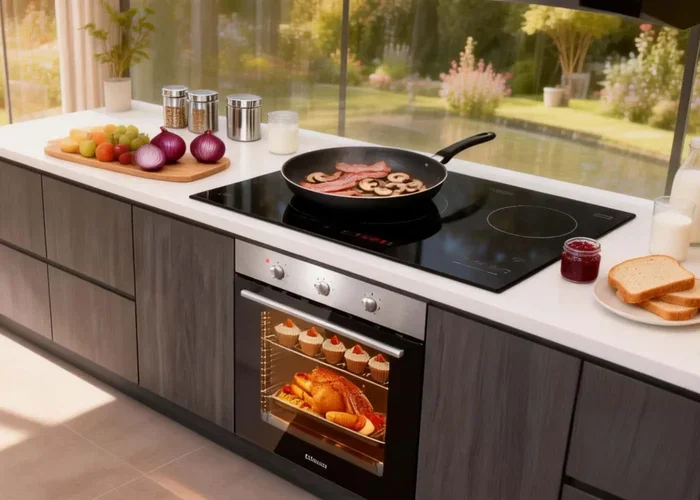
Visual guide about modern electric cooktop kitchen
Image source: karinearappliances.com
Venting is the biggest challenge. You need a path to the outside. This might go through the floor or a wall. If you cannot vent outside, recirculation is an option. But external venting is always preferred for air quality.
You should also consider the countertop material. Stone or granite works best for support. The unit must be level to function well. An uneven surface causes cooking issues. It can also damage the downdraft mechanism over time.
Professional vs. DIY Installation
DIY installation saves money but risks errors. You need skills in electrical and carpentry. Mistakes can cause damage or safety hazards. Hiring a pro ensures code compliance. They handle permits and inspections too.
Pros know where to route the ducts. They avoid obstacles like pipes or wires. This prevents future leaks or noise issues. The cost is higher but worth it for peace of mind. Your kitchen is an investment worth protecting.
Cleaning and Maintenance Tips
Keeping your cooktop clean is easy. Wipe the surface after every use. Wait for it to cool down first. Use a soft cloth and mild cleaner. Avoid abrasive scrubbers that scratch glass.
The downdraft vents need attention too. Filters catch grease and particles. You should remove and wash them regularly. Check the manual for specific instructions. Some filters are dishwasher safe for convenience.
Deep cleaning happens less often. Check the ductwork for buildup annually. This prevents blockages and odors. A clean system runs quieter and stronger. You enjoy better air quality in your home.
Common Maintenance Mistakes
People often ignore the filters. Clogged filters reduce airflow significantly. This makes the fan work harder. It can lead to motor failure over time. Clean them every few months for best results.
Another mistake is using harsh chemicals. Strong cleaners can damage the glass surface. They might leave streaks or etch the material. Stick to products made for glass cooktops. This keeps the finish looking new longer.
Comparing Jenn Air to Other Options
Many brands offer downdraft solutions. You should compare features before buying. Some models use induction technology. Others stick to standard electric resistance. Induction heats faster but needs magnetic pans.
Price is another factor. High-end brands cost more initially. They often last longer and perform better. Budget models might save money upfront. But they may lack powerful ventilation features.
You might also consider ranges with built-in vents. See best downdraft vent for slide in range for alternative setups. Sometimes a range fits your space better. It depends on your cooking habits and layout.
Induction vs. Standard Electric
Induction cooktops are very efficient. They use magnetic fields to heat pans directly. The surface stays cooler than standard electric. This reduces burn risks and cleaning time. However, they require specific cookware.
Standard electric elements work with any pot. They are more versatile for older kitchens. They also tend to be less expensive. You choose based on your current pans. Both options work well with downdraft systems.
Final Thoughts on Choosing the Right Cooktop
Choosing a cooktop is a big decision. You need to balance style and function. The Jenn Air Downdraft Electric Cooktop offers both. It removes the need for a large hood. It keeps your kitchen air clean and fresh.
Think about your daily cooking habits. Do you fry often or just boil water? Your usage dictates the power you need. Also consider your home structure. Venting access is crucial for installation.
Take your time to research options. Read reviews from other homeowners. Look at warranty terms and support. A good appliance should last for years. Make sure it fits your life perfectly.
For more ideas on kitchen tools, check best stainless steel griddle for induction cooktop. The right tools make cooking even better. Enjoy your new kitchen setup.
Frequently Asked Questions
Does a downdraft cooktop work well for heavy frying?
Yes, it works well but needs high fan speed. Heavy frying creates more smoke and grease. The downdraft system captures most of it effectively. Ensure you have strong external venting for best results.
Can I install a downdraft cooktop on a kitchen island?
Yes, this is one of the best uses for it. Islands often lack space for overhead hoods. A downdraft unit fits neatly into the counter. You must ensure ducting can reach the exterior.
How loud is the downdraft ventilation fan?
The noise level varies by model and speed. Low settings are very quiet for daily use. High speeds may produce a noticeable hum. Most users find it acceptable during cooking.
Do I need special cookware for an electric cooktop?
No, standard pots and pans work fine. Flat bottoms work best for heat transfer. Avoid warped pans as they heat unevenly. Glass tops are compatible with most metal cookware.
How often should I clean the downdraft filters?
You should clean them every few months. Heavy cooking might require monthly cleaning. Clogged filters reduce airflow and efficiency. Check your manual for specific removal instructions.
Is professional installation required for this cooktop?
It is highly recommended for safety and performance. Electrical and venting work can be complex. Professionals ensure code compliance and proper sealing. DIY risks errors that could cause damage later.